
Understanding Electrical Cable Basics
What is electrical cable and what does it do
Power is dramatic, but cables are the quiet heroes. They ferry electricity to lights, chargers, and fridges, and I admit I notice them most when they misbehave. South Africa’s grid quirks make understanding electrical cable explained more than a luxury; it’s practical common sense with a spark of wit!
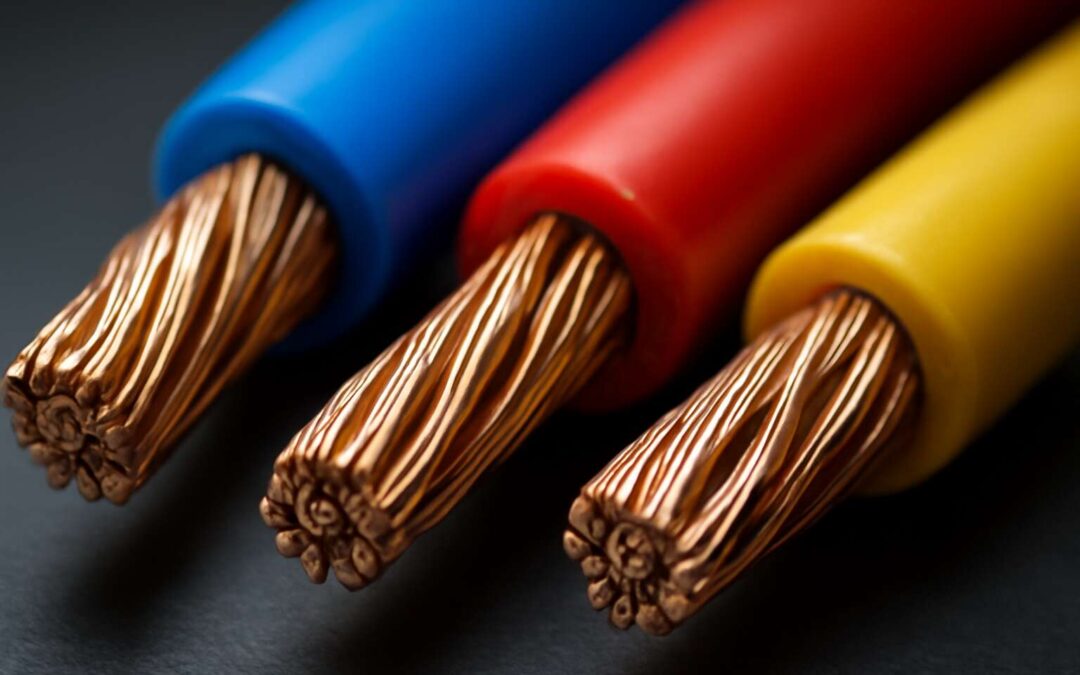
A cable is a conductor core shrouded in insulation and a protective jacket. The core material (copper or aluminium) and its size (mm2) decide how much current it can carry safely, while insulation keeps fingers and pets out of trouble. In SA, PVC-insulated cables rated around 450/750 V are typical for 230‑volt installations.
Common variants you’ll encounter include:
- Armoured vs non-armoured for durability
- Single-core for fixed wiring, multi-core for flexible routes
- Different gauge sizing to match load and length
Core components: conductor, insulation, and sheath
Three parts, one quiet revolution: conductor, insulation, and sheath. In the realm of electrical cable explained, those players decide whether a room glows or flickers out. The conductor—copper or aluminium—carries the current, and its size (mm2) sets the safe load.
Insulation is the polite barrier that keeps fingers out of trouble and keeps voltage behaving. I picture a cable in a three-piece suit—conductor in the middle, insulation as the smart coat, and sheath as the armor—ready for the test. The sheath, the outer jacket, shields against wear and SA’s dusty climate.
- Conductor: copper or aluminium core that carries current; cross-section (mm2) determines amperage.
- Insulation: plastic layer that prevents shocks and maintains the voltage profile.
- Sheath: tough outer jacket guarding against abrasion, moisture, and environmental hazards.
Together, these elements shape safety, durability, and how gracefully a circuit runs in South Africa’s homes.
Voltage ratings and ampacity explained
South Africa runs on a quiet opera of volts and amperes, and the wrong cable can spoil the aria. A striking stat: about a fifth of domestic outages trace to improper sizing. Understanding electrical cable explained isn’t trivia; it’s about safer rooms and steadier bulbs.
Voltage rating tells you the maximum volts a cable’s insulation can tolerate before trouble brews, while ampacity is the current it can carry without overheating. The conductor’s cross-section (mm2) and the material—copper or aluminium—shape that limit.
- Ambient temperature and air flow affect ampacity.
- Insulation type and conductor size set voltage tolerance and current capacity.
- Environmental conditions and installation method can alter safe operating limits.
Copper or aluminium aside, these factors determine whether a circuit hums gracefully or stares back with a spark. In SA homes, that balance keeps lights steady and fans loyal.
Safety standards and certifications you should know
South Africa runs on copper and caution, and safety standards are the real chorus line of any installation. Reading electrical cable explained is less trivia and more the difference between a glow and a glow-stick. Certifications aren’t decorative; they keep rooms safer and bulbs steady.
To keep things legit, look for official safety badges: SABS approval, SANS 10142-1 compliance, and alignment with IEC/EN standards. These signals come with documents and marks that inspectors trust.
- SABS approval and mark
- SANS 10142-1 compliance
- IEC/EN standards alignment
Testing labs verify insulation, sheath integrity and conductor quality under real-world conditions. Municipalities and insurers expect these credentials before a plug gets its blessing.
Stick to the certified route, and your lights will perform like a well-drilled chorus.
Types of Electrical Cables for Different Applications
Residential and industrial power cables: common types
Power runs through every homestead, from a wind-worn farmstead to a modern suburb. In South Africa, the right cable can be the quiet difference between safety and a scare—this is why electrical cable explained matters. When storms roll in, sturdy wiring keeps the lights steady and hearts calm.
Residential and industrial power cables use different protections. Here are common types for homes and workshops:
- Non-metallic sheathed cable (NMC) for indoor, dry-area wiring
- Twin and earth (T&E) for legacy circuits
- Armoured cable (AC/MC) for exposed or rugged installations
- Flexible cords for appliances and portable tools
- Industrial power cables with XLPE insulation and metal armour for harsh environments
Choosing the right type matters, weaving safety into daily life and work. This is where electrical cable explained becomes practical for families and trades alike.
Flexible cords, portable cables, and extension leads
Power travels through South African homes and workshops with quiet certainty, and the difference is often the cord you choose. Flexible cords, portable cables, and extension leads keep devices humming when weather tests the grid. This is electrical cable explained in practical terms: a balance of flexibility, safety, and longevity that matters in daily life.
Here are common forms under this umbrella:
- Flexible cords for appliances and handheld tools
- Portable cables for temporary power on job sites or events
- Extension leads designed for indoor and outdoor use
Each choice bears on safety, load, and risk, and designers respect these distinctions when planning spaces—from a kitchen to a workshop. electrical cable explained highlights how proper rating and suitable protection keep momentum steady and people safe, turning everyday power into a trustworthy companion.
Armored, underground, and shielded cables
Cable is the quiet engine behind every workshop and home. In South Africa, the right choice blends safety, cost, and reliability, not fashion! A veteran electrician once said, ‘electrical cable explained is about context as much as it is about components.’
Armored cables stand up to abuse, guarding against physical damage in walls, outdoors, and direct burial. Inside, PVC or XLPE insulation keeps conductors safe while the armor resists impact and wear.
Underground cables are built for moisture, abrasion, and long runs. Direct-burial designs use rugged jackets and moisture barriers to keep power flowing with fewer interruptions.
Shielded cables tame EMI and RFI in control and data lines. Foil or braided shields protect signals, essential in busy industrial spaces and sensitive measurement setups.
Within these families, a few common forms include:
- Armored cables for rugged routes
- Underground cables for direct burial
- Shielded cables for electronics and data
Running, Routing, and Installing Electrical Cables
Cable sizing basics: determining gauge and capacity
Power flows are not simply wires; they’re stories waiting to be told. In South Africa, a well-taught run, a thoughtful routing, and careful installing keep the lights alive when storms roll in. This piece journeys through electrical cable explained, turning copper and sheath into a map you can read. A seasoned artisan once quipped that every cable is a thread in the country’s fabric—an invisible thread that makes evenings feel safe and steady!
Running, routing, and installing cables form three acts of a single performance. From the distribution board, the run threads through conduit, across rooms, to outlets and fixtures; routing keeps hazards at bay; installing secures the journey with support and protection. Cable sizing basics: determining gauge and capacity guide these choices with quiet authority.
- Current over distance matters
- Insulation, protection, and routing shape the journey
- Gauge must match expected load and length
In South Africa’s homes and facilities, the 230V, 50Hz landscape shapes how engineers think about gauge and ampacity, balancing efficiency with safety while light travels from panel to point of use.
Routing strategies: conduits, trays, and cable management
Running, routing, and installing electrical cables is a narrative of planning and restraint. From the distribution board, the journey charts clean runs and predictable paths. In South Africa, conduits shield wires from moisture and storms, while thoughtful routing keeps rooms safer and cupboards accessible. electrical cable explained becomes practical when copper speaks in measured routes.
- Conduits: steel or PVC ducts that protect and conceal wiring along walls and ceilings.
- Cable trays: open or hinged systems for larger, easier-to-inspect runs.
- Cable management: labeling, clean bundling, and orderly transitions to outlets and fixtures.
Installing is the final act, turning the plan into a living circuit—steady as a heartbeat! Supports, clips, and protective finishes keep the line secure under heat, wind, and everyday use.
Environment-aware selection: moisture, heat, and chemical resistance
Running cables is the heartbeat of any building, guiding power from the distribution board to the last outlet. I’ve found that a well-planned path saves storms of sparks and stops, not to mention a lot of headaches later. electrical cable explained in plain terms becomes practical when you account for moisture-prone corners and heat-heavy zones, keeping rooms safer and cupboards accessible.
Environment-aware selection shapes every choice in the wiring narrative: moisture, heat, and chemical resistance matter. Routing decisions—through walls and ceilings—benefit from this lens, ensuring runs stay accessible and safe.
- Moisture resistance
- Heat tolerance
- Chemical resistance
In South Africa’s climate, installations face tests, from conduits to cupboard runs. Installing is the final act, turning plan into living circuit—steady as a heartbeat! Supports, clips, and protective finishes keep the line secure under heat, wind, and use. This is where electrical cable explained meets field practice. I’ve seen crews cut corners, and the price is paid in reliability.
Installation best practices: strain relief, separation, and labeling
Running cables with intention is the quiet heartbeat of any building. In South Africa’s sunlit spaces, a well-planned path reduces sparks and headaches alike. electrical cable explained becomes practical when it answers: is this run accessible, heat-tolerant, and protected against the dust of everyday life?
Routing is choreography in concrete form. It asks whether a path will stay accessible behind cupboards or in closets, and whether it will weather heat and humidity. To guide the hand, consider this simple framework:
- strain relief
- separation
- labeling
Installing isn’t the finale but the last soft hinge of the narrative. Secure supports and clips, set protective finishes, and keep runs tidy for service calls and inspections. In SA households where climate tests every corner, clean installation remains a pledge of safety and longevity.
Code compliance: NEC, IEC, and local regulations
Running, routing, and installing electrical cables is the quiet choreography that keeps buildings sane. electrical cable explained in plain terms helps reveal why code compliance isn’t pomp but a practical safeguard. In South Africa, this framework fuses NEC, IEC, and local regulations, directing paths behind cupboards, through slabs, and along corridor nooks to withstand heat and dust without complaint.
- NEC — National Electrical Code, a trusted benchmark in many jurisdictions
- IEC — International Electrotechnical Commission, harmonizing product and practice
- Local regulations and SANS 10142 — South Africa’s installation standard and municipal rules
Ultimately, the discipline of routing and installing under these safeguards is a mark of professional polish—calm, durable, and reliably compliant in SA’s climate.
Maintenance, Safety, and Troubleshooting
Indicators of wear and when to replace cables
Maintenance isn’t glamorous, but it saves lives. electrical cable explained means keeping watch for insulation cracks, brittleness, or softened jackets. Regular checks around outlets, joints, and connectors help catch damage before it escalates, and you’ll notice when cords feel stiff or discolored.
- Inspect insulation for cracking or char around sleeves
- Ensure jackets remain flexible and free of tears
- Keep cables away from heat sources and moisture
Safety should never be optional. If you see damaged insulation, exposed conductors, or heat at a plug, switch off power and call a licensed electrician. Follow local standards and certifications to protect households and small businesses across South Africa.
Troubleshooting indicators of wear include cracking insulation, exposed conductors, discoloration, and warmth along the sheath during use. When these signs appear, replace the cable promptly and professionally; delays increase the risk of shorts or fires. When in doubt, retire the cable from service.
Safety measures: PPE and disconnecting power before work
One spark can rewrite a quiet evening into a catastrophe; in South Africa, electrical faults still loom as a leading domestic risk. This is why electrical cable explained isn’t merely theory but a practical map for safer spaces—clarity that helps households and installers read the signs before trouble arrives.
Maintenance and safety go hand in hand. Safety measures: PPE and disconnecting power before work for anyone handling energized systems. The essentials include:
- Insulated gloves, safety goggles, flame-retardant clothing
- Lockout/tagout and ensuring power is truly off before touching a cable
- Non-conductive footwear and dry working surfaces to reduce shock risk
Troubleshooting safety: indicators such as cracking insulation, exposed conductors, discoloration, or warmth along the sheath signal trouble. When these signs appear, retire the cable from service and call a licensed electrician; always align with local standards to protect households and small businesses across South Africa.
Testing and inspection techniques: insulation resistance and continuity checks
Maintenance isn’t glamorous, but it’s the quiet architect of safety. In South Africa, regular checks of cable routes and sheath wear keep faults from blooming into crises. This is electrical cable explained in practice.
Safety flourishes with discipline. PPE and lockout/tagout guard workers; power must be off before any touch. Clear labeling and dry surfaces reduce shock risk and help keep installations calm.
Troubleshooting hinges on testing. Insulation resistance and continuity checks diagnose hidden wear and broken circuits. For accurate interpretation, engage a licensed electrician and align with local standards.
- Insulation resistance checks reveal leakage and degradation
- Continuity checks confirm intact conductor paths
Environmental considerations: UV exposure, moisture, and temperature effects
Maintenance in South Africa wears many hats—sun-burnished cables, dusty routes, and a timetable that refuses to nap. Regular checks of UV exposure on the sheath, worn jackets, and route clarity prevent small wear from blooming into crises. This is electrical cable explained in practice.
Safety flourishes with discipline. A proper power-off, clear labeling, and dry surfaces guard workers and keep installations calm.
Troubleshooting leans on testing, yet environmental factors complicate truth-telling. UV exposure accelerates insulation aging; moisture invites leakage; temperature swings tighten or loosen impedance.
- UV exposure accelerates insulation aging
- Moisture ingress weakens dielectric strength
- Temperature swings shift resistance and flexibility