
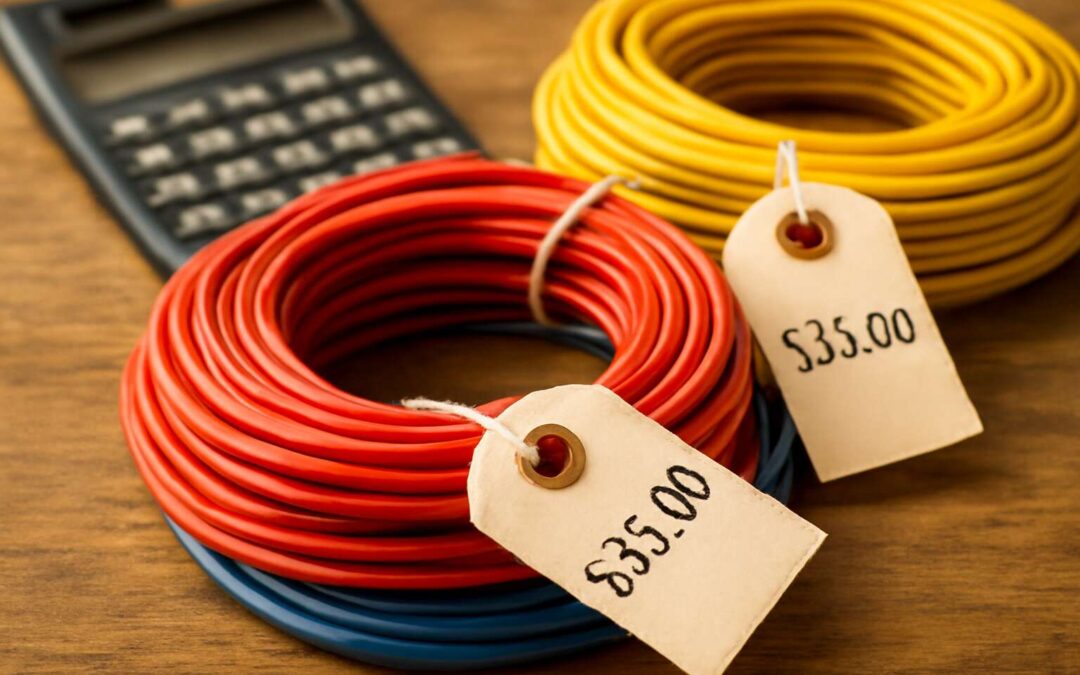
Primary factors influencing electrical cable cost
Copper price trends and material costs
Copper price swings have kept tender boards on their toes, and that volatility shows up in every tender for electrical cable cost here in South Africa! Beyond design and labor, the main levers are copper price trends and material costs, along with supplier dynamics, logistics, and exchange-rate effects that whisper through the supply chain.
- Copper price trends and availability
- Insulation, conductor alloys, and ageing stock
- Manufacturing efficiency and energy costs
- Import duties, tariffs, and rand movements
- Bulk purchasing and local distribution
These forces shape the overall price curve in the South African market, turning copper price trends and the cost of materials into living factors rather than fixed numbers.
Impact of insulation and jacket materials on price
Electrical cable cost isn’t dull; it’s a price barometer that wobbles with resin costs and SA project demands. The insulation and jacket do most of the talking, nudging the tag up or down with every batch of material.
Insulation and jacket materials push the price through heat tolerance, moisture resistance, and fire performance. The classic PVC insulation is cheap but modest in headroom; XLPE offers higher voltage and longer life at a premium; LSZH jackets trade safety for a higher sticker price.
- PVC insulation: economical but lower heat and flame tolerance
- XLPE insulation: higher voltage rating and durability
- LSZH jackets: smokeless, lower toxic output but costlier
- Outdoors/harsh environments: tougher jackets with extra protection
In environments outside the lab, jacket chemistry—halogen-free formulations, weather resistance, and flexibility—adds another layer to the electrical cable cost, especially when standards demand stricter smoke and environmental profiles.
Bottom line: insulation and jacket choices ripple through SA tenders as surely as rand movements ripple through every import bill.
Copper vs aluminum conductors
South Africa’s urban grids and energy projects make the electrical cable cost a moving target. Copper shines with top conductivity and compact cross-sections, delivering dependable performance, but its price follows global metal cycles. Aluminum trims the upfront spend and reduces weight—an ally on long runs—yet it demands larger conductors and careful termination to keep losses in check.
Within the cost equation, these trade-offs shape tender math:
- Copper: highest conductivity per cross-section and proven longevity.
- Aluminum: lower material cost and lighter weight, ideal for long runs.
- Installation realities: larger sizes for aluminum, plus premium connectors to compensate for termination losses.
Across local ports, logistics, and SA’s climate, the final figure for electrical cable cost often walks a different route than raw material quotes.
Cable gauge and cross-sectional area effects on cost
In South Africa, a mis-sized conductor can push a project budget well beyond the forecast. The primary factor shaping electrical cable cost is gauge and cross-sectional area—the bigger the cross section, the more metal per metre and the heavier the bundle.
Smaller gauges slash the upfront hit but raise losses and heat. For long runs, the trade-off matters: you pay less at purchase but may incur more in energy and cooling needs, which shifts the cost balance of the electrical cable cost over the project life.
- Cross-sectional area drives material cost per metre
- Longer or more demanding runs magnify area-related cost impacts
- Installation realities, like connector sizing, add to total when larger gauges are chosen
Logistics and climate across SA further tilt the final figure, but sizing remains a clean lever you can pull to tune value.
Bulk purchasing and supplier discounts
Across South Africa, bulk orders can unlock double-digit discounts; some contractors report 10–15% off larger runs. When bulk purchasing is planned, supplier discounts become a clean lever you pull to lower overall costs.
Here are the bulk-buying dynamics at play:
- Volume-based price breaks from manufacturers
- Lower per-metre freight and handling costs
- Streamlined procurement reduces administrative fees
- Better payment terms and supplier loyalty discounts
Local stock availability and regional freight also shape the total, so long-term projects benefit from built-in buffers and staged deliveries. That approach helps stabilize the electrical cable cost even as demand shifts!
Lead times and availability impact on price
In the shadowed corridors of South Africa’s building sites, lead times are the quiet tremor beneath every quotation. A foreman once whispered, ‘Delay is the true cost you can’t invoice!’ I’ve watched schedules bend when ships stall and warehouses empty. Lead times swing from days to weeks, and peak-season congestion can push this further. That rhythm leaves an imprint on electrical cable cost, influencing storage, financing, and schedule certainty more than the sticker price alone.
Availability matters as a living entity: a scant pallet here or a weathered crate there can tilt the balance between a fixed bid and a rising one, influencing electrical cable cost. When stock runs thin, regional freight surcharges creep in and replacements in scarce alloys push quotes higher. Foreseeing these rhythms allows staged deliveries and buffer stocks that keep the ledger steady through shifting demand.
- Factory production cycles
- Regional stock levels
- Customs and import timelines
Cable types and price ranges
Residential vs commercial cable pricing
In South Africa, the electrical cable cost isn’t simply a price tag slapped on a reel. It’s a moving target, influenced by supplier availability, bulk orders, and project scale. On SA sites, the right cable type quietly shapes the budget more than any other line item, delivering reliability long after the dust settles.
- PVC-insulated copper cables—affordable and common for standard home wiring.
- XLPE-insulated cables—higher upfront price but superior heat tolerance and long life.
- Armoured cables—outdoor or rugged indoor runs; pricier due to added protection.
- Flexible cords for appliances—lower gauge, easier installs, price varies with length.
Residential projects typically stay within standard gauge ranges for neat, invisible runs, keeping the price per meter moderate. Commercial work, by contrast, demands heavier cross-sections, tougher jackets, and longer lead times, which pushes up the overall electrical cable cost.
Indoor vs outdoor cable cost differences
In SA, indoor runs through neat corridors and budget-friendly conduits, keeping the electrical cable cost per metre fairly tame. Outdoor runs demand heavier jackets and sometimes armour—pricey protection that pays dividends against sun, rain, and the occasional goat on a mission. The difference isn’t noise; it’s armour and weatherproofing riding shotgun on the reel.
When comparing indoors vs outdoors, watch these levers:
- Protection level and jacket material
- Installation method (conduit, trench, or direct burial)
- Exposure to sun, moisture, and temperature swings
Shielded vs unshielded cable prices
Shielded or unshielded, cable choice shapes more than signals—it’s a stake in the reliability and the budget. The electrical cable cost in South Africa grows steeper when shielding is added, a premium for EMI defense and tougher jackets that pays dividends in harsh sun and heat over long runs!
- Shielding type and coverage (foil, braid) add cost per metre
- Conductor size and insulation complexity affect price
- Installation context (indoor, conduit, or direct burial) influences jackets and labour
Here’s the practical spread: unshielded copper costs sit around R8–R25 per metre for common gauges, while shielded varieties band around R25–R70 per metre, depending on cross-section and jacket. The choice more often mirrors application risk than whimsy.
Armored versus non-armored pricing
Armor and insulation transform an ordinary run into a lifeline for machines and rooms across SA. Unarmored copper cable typically costs about R8–R25 per metre for common gauges, while armored variants sit around R25–R70 per metre, depending on cross-section and jacket. The difference isn’t merely a price tag—it’s a shield against rugged environments and long-haul exposures.
- Armor type and thickness (steel tape, lay-flat armor) influence price per metre
- Conductor cross-section and insulation complexity push costs up
- Intended installation (indoor, conduit, or direct burial) drives jacket choices and labour
Whether shielding a workshop supply or a harsh outdoor run, the choice embodies more than a number—it is a statement about reliability and longevity, a facet of the broader electrical cable cost landscape.
Specialty cables and premium options pricing
Across SA projects, there’s a spectrum where cable types dictate the electrical cable cost more than the mere gauge. Standard copper remains the baseline, but specialty cables—silicone-insulated, fire-rated jackets, or LSZH sheaths—enter higher price tiers justified by resilience and safety in harsh installations. The right specialty cable isn’t a luxury; it’s a quiet sentinel guarding uptime.
For facilities that demand peak reliability, consider these standout variants:
- Silicone-insulated, high-temperature cables for ovens, motors, and harsh environments — price reflects thermal endurance.
- Fire-rated, halogen-free jackets for safety-critical zones — higher cost, superior fire performance.
- LSZH armour variants with rugged jackets — premium protection and reduced smoke in faults.
Beyond raw material cost, installation context and certifications tune the overall electrical cable cost, aligning choice with uptime and longevity.
Installation and labor costs
Regional labor rate variations
In South Africa, installation dust-ups can add up to 40% more than the raw cable price. The electrical cable cost is the tip of the iceberg; the real budget buster is labor—the clock-watching, permit-chasing, coffee-fueled crew you hire.
Labor costs vary regionally, driven by wage norms, travel time, and schedule demands. To illustrate, consider these often overlooked factors:
- Regional wage norms and skill shortages
- Site accessibility and travel time
- After-hours calls and emergency work
When budgeting, expect regional labor rate variations to tilt the total more than you’d expect. Urban centers tend to push prices upward, while remote towns can surprise with faster turnarounds—if materials cooperate.
Conduit, fittings, and accessories costs
Wiring isn’t just copper and connectors; it’s a labor-weighted puzzle. In South Africa, the total bill often tilts more on installation than the ticker on the copper price—the electrical cable cost is only the tip of the iceberg. Conduit runs, fittings, and accessories can swell the budget as crews chase clean runs and compliance.
When budgeting for conduit and accessories, material choice and complexity drive hours and cost. PVC versus steel, indoor vs outdoor, and the number of bends all ripple through the quote.
- PVC conduit
- Metal conduit and fittings
- Cable glands and clamps
Labor factors like site accessibility, travel time, and after-hours calls shape the final tag, sometimes more than the cable itself. Expect regional rate quirks to show up in the installation line item as much as in the stockroom.
Length, routing, and complexity impact on price
In South Africa, the most telling line on a bill is often written in labour hours, not copper. The installation and routing of cables can swing totals as surely as the copper price itself. Length, routing, and complexity drive the hours and, in turn, the price.
Key labor drivers shape the final tag more than coil counts or gauge choices. Consider these realities that turn a simple pull into a careful orchestration:
- Length of runs and how neatly cables must traverse spaces
- Routing through walls, ceilings, trays, or outdoor environments
- Number of bends, terminations, and junctions
- Site accessibility, travel time, and after-hours work
Throughout the project, the electrical cable cost sits within a broader labor-led equation—a reminder that every metre added is a story of planning, permits, and patience.
Permits, inspections, and compliance fees
On South African sites, the true rhythm of the electrical cable cost isn’t copper’s gleam but the clock ticking in the foreman’s pocket. Installation and labor costs weave through walls and ceilings with a patient, almost ritual cadence. Permits and approvals can stretch timelines like shadows across a floor, turning a quick pull into a careful, drawn-out ballet. Every paperwork checkpoint adds minutes, then hours, to the bill—and to the final number that clients remember.
- Permitting steps and local approvals
- Mandatory inspections and testing fees
- Compliance certificates and re-inspections if deficiencies are found
Beyond metal, the true price is stamped by permits, inspections, and compliance costs—silent sentinels that mark every metre with planning and patience. The final bill speaks as loudly of bureaucracy as of wire.
Delivery and handling charges
South Africa’s electrical cable cost is seldom just copper’s glint; it wears the clock in the foreman’s pocket. In our market, installation and labor can account for about a third of the final figure—an orchestra of trades, permits, and timing that changes with every site.
Delivery and handling charges knot the budget further: weight, distance, and access shape fees; offloading, packaging, and safeguarding fragile bundles add their own lines to the ledger. When schedules are tight, rush deliveries flirt with surcharges, nudging the electrical cable cost higher as the day moves.
- Distance to site and delivery window
- Site access, storage, and safety requirements
- Packaging, loading, offloading, and handling needs
Ultimately, the numbers sing in a strange harmony, a reminder that copper shines but the bill remembers the rhythm of delivery and labor just as vividly as the copper itself.
Estimated waste and overage costs
Installation and labor costs carve their own rhythm into the electrical cable cost, a duet of hours clocked and hands steady at the conduit. In South Africa, the price isn’t a single figure; it’s the precision of on-site choreography, the patience of routing, and the quiet arithmetic of safety checks. The curtain lifts on the unseen work that follows the copper into every panel.
- Routing complexity and site access limits
- Time for coordination, safety briefings, and inspections
- Materials handling, containment setup, and on-site prep
- Rework risk and contingency for unexpected changes
Estimated waste and overage costs arrive as a shadow note in the ledger. Off-cuts, misreads, and unexpected reworks quietly push the tally toward the margins. In many projects, waste allowances hover around 5–10%, with another 2–6% tacked on when routes tighten or access strains appear. The electrical cable cost breathes with these margins as much as with the copper itself.
How to compare quotes and maximize value
How to estimate cable length and run accurately
Across South Africa, a bid can light up a budget in surprising ways. A single quote often shifts the project’s fate more than the last spark, revealing how the electrical cable cost hides in delivery, contingencies, and supplier flexibility. Reading between the lines turns prices into a map of value—glowing with potential rather than a flat sticker.
How to compare quotes and maximize value: demand clarity on what’s included, compare line items, and check delivery timelines. A well-structured quote becomes your compass.
- Scope of work and materials included
- Unit price vs. line-item charges
- Delivery timelines and supplier reliability
- Warranties and any hidden fees
To estimate cable length and run accurately, experts study site plans, anticipate bends and junctions, and leave a touch of slack for future adjustments. The aim is to capture the dance of space and safety without overreaching.
Price per meter vs price per coil comparison
Across South Africa’s buzzing sites, the way quotes are framed can redraw the skyline of a project. The electrical cable cost isn’t just a price tag; it’s a network of choices where price per meter and price per coil each tell a different story about length, waste, and future needs, glimmering like constellations. When quotes land, listen for how the numbers are arranged—do they tally a single meter price or separate coil costs for pulls across corridors and corners?
Price per meter often shines in long runs, while price per coil can reduce complexity on shorter or modular builds. Reading between the figures reveals hidden winds of savings—and pitfalls. Scrutinise how offcuts, slack, and stock availability might tilt the balance, and let the best quote illuminate a path with generous, sustainable value rather than a flat sticker.
Warranty, quality, and lifecycle cost considerations
On South Africa’s busy building sites, up to 30% of project overruns trace to overlooked warranties and misaligned cable specs. You’ll save more than cash by reading quotes as a whole story rather than a single line item. When you compare, remember that electrical cable cost is shaped by warranty terms, material quality, and the long arc of maintenance, not just the purchase price.
- Warranty terms and duration
- Material quality and certifications
- Lifecycle support and total cost of ownership
From my experience, the sweet spot is a quote that couples robust warranty with transparent quality assurances and a clear plan for lifecycle support. This approach makes the cost meaningful over the project’s life.
Short-term price versus long-term savings
The electrical cable cost on a bid is only the entrance fee; the real price hides in downtime and maintenance. On South Africa’s busy sites, the difference between finishing on time and costly overruns comes down to what the quote omits. Read the figure as a story, not a line item, to keep risk in check.
To compare quotes effectively, ask three things: delivery and disposal realities; a plan for upkeep and spare parts; and clear evidence of supplier reliability, tested materials, and responsive field support. When you connect these dots, long-term value reveals itself and the true cost becomes meaningful beyond the initial price tag.
Strategies to reduce unnecessary waste and overordering
Across South Africa’s bustling construction sites, the real burden of choice often hides in the fine print. Even when the electrical cable cost on paper looks lean, project downtime and spares can drain the wallet faster than a misread schedule.
To compare quotes with clarity, weigh logistics, disposal realities, and a thoughtful plan for upkeep and spare parts, alongside evidence of supplier reliability and tested materials. A bid that reads like a map—clear timelines, proven field support, and accountable warranties—paves the way for dependable execution.
Maximizing value means steering away from overordering and waste. Align run lengths with measured needs, choose standard dimensions that fit common routes, and demand resilient packaging and delivery terms. When quotes reflect true flow and support, the cost of ownership becomes a long, manageable arc rather than a sharp cliff.
Regional price variation and supplier selection tips
Prices drift across South Africa’s regional markets, and the electrical cable cost you negotiate isn’t just about per-meter rates. When bids land, I look for how regional variation is baked into the quote, from stock levels to delivery routes. A clear bid reveals more than numbers; it maps potential downtime, compatibility with local supply chains, and the true overhead of keeping sites running smoothly amid volatility.
To compare quotes with depth, read beyond the headline totals and watch how each supplier frames the path from order to install. Seek evidence of consistent lead times, material testing, and warranty language that travels with the cable. Consider these factors:
- Geographic pricing patterns and local delivery terms
- Proven supplier track record for project continuity
- Transparent packaging, waste handling, and returns terms
In the end, the electrical cable cost becomes a thread in project economics, guiding decisions without dictating them.