
Comprehensive guide to home wiring cables
Cable selection and types for home wiring
Power is the quiet backbone of any home. In South Africa, one dodgy connection can turn a calm evening into a fuse-box saga—so we treat the electrical cable for home wiring with both respect and a wink.
A comprehensive guide to home wiring cables helps you weigh insulation, voltage rating, and exposure to sun. When you pick the right electrical cable for home wiring, you invest in safety, reliability, and fewer midnight surprises.
Here are common types you’ll encounter:
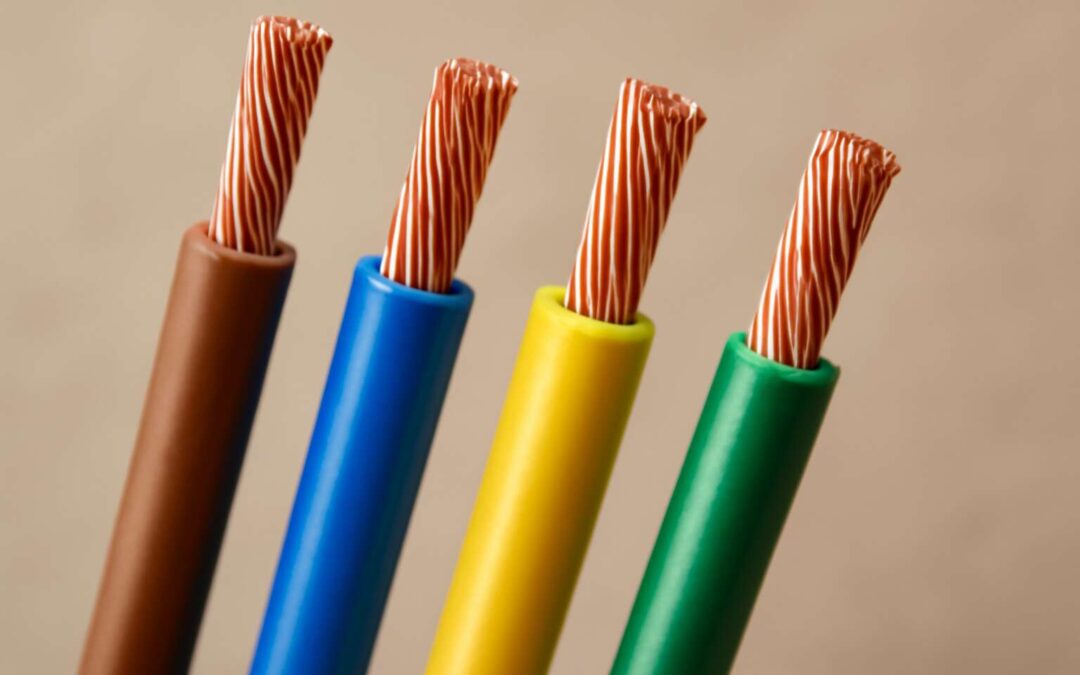
- Twin and Earth (T&E) PVC-insulated copper cable for indoor wiring
- Flexible cords for appliances and portable loads
- Outdoor-rated or armored cable for garages and gardens
Crafting a sensible layout and matching components is where planning pays off—the right wire becomes the unsung hero of the home, quietly keeping lights on and peace of mind intact.
Safety codes and compliance in residential wiring
South Africa hides a quiet menace in every wall: wiring that dodges the code can turn a calm evening into a fuse-box tale. Safety codes stand as quiet guardians, governing how cables are chosen, routed, and tested. In residential wiring, compliance means a predictable performance—lights that glow, circuits that don’t betray you, and a home that sleeps through storms rather than alarms.
- SANS 10142-1 alignment ensures installations meet national safety benchmarks
- Protection against physical damage, proper insulation, and secure terminations
- Correct earthing and bonding to keep fault currents away from living spaces
This is why the discipline surrounding electrical cable for home wiring matters. Codes are not shackles but lanterns, guiding every strand from panel to plug to preserve life and property.
Installation practices and materials for home wiring
South Africa’s evenings glow brighter when the walls hum with a quiet, dependable current. In the backdrop, a disciplined electrical weave holds homes steady through storms and power surges, turning potential chaos into calm. It is the artistry of safe wiring!
Installation practices begin long before any tool is touched. The electrical cable for home wiring is routed with care—through conduits, away from heat, and secure at every junction. Correct insulation, protective spacing, and robust terminations guard daily life from the unexpected.
Key materials and installation details reinforce this craft:
- Conduit systems and protective routing that respect architecture
- Quality connectors and clean terminations
- Appropriate insulation and temperature ratings for indoor use
Every project becomes a quiet poem of balance, reducing risk while preserving light and comfort!
Testing and maintenance of electrical cables
Testing and maintenance mature like a quiet republic of wires, unseen but essential. “Test early, test often,” a veteran electrician reminds me, and I’ve found that honest checks save lives as surely as a switch saves a room from darkness. Regular scrutiny catches wear before it speaks.
Testing and maintenance are not a one-off ritual but an ongoing discipline. In practice, professionals blend non-destructive checks with informed visual assessments—seen, heard, and felt—so that ageing insulation, loose terminations, or uneven wear are flagged before they become symptoms of trouble.
From indoor corridors to the heart of a living area, preventive testing keeps the electrical cable for home wiring in tune with South Africa’s varied climates, guarding lives and comfort without drama.