
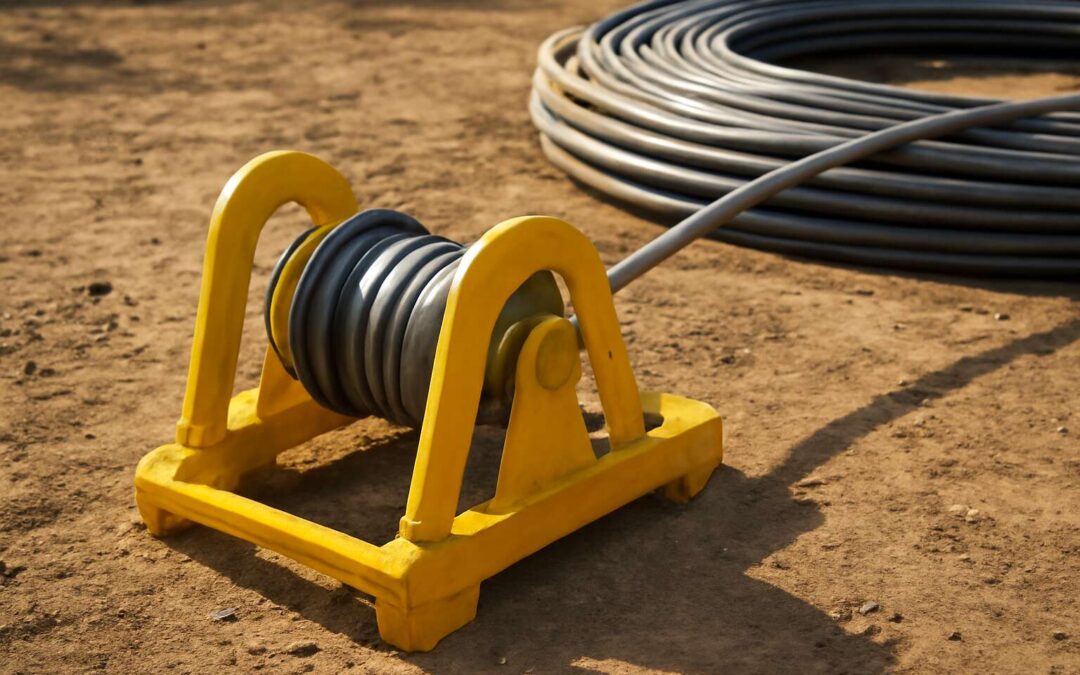
Comprehensive guide to cable rollers in electrical projects
Choosing the right cable roller for electrical projects
On busy SA job sites, a single snag can ripple into days of downtime. The right electrical cable roller can transform a gnarly tangle into a smooth glide, turning a tense moment into steady progress. This guide reveals how cable rollers protect insulation, reduce abrasion, and keep cables neat through long runs, even under harsh workshop conditions.
Choosing the right cable roller for electrical projects means weighing duty, wheel size, and material. It acts as a quiet guardian—compact, sturdy, and easy to deploy on concrete, gravel, or inside conduits.
- Load capacity and wheel diameter
- Material and corrosion resistance
- Compatibility with jacket sizes and cable diameters
- Portability and mounting options
In the field, features like swivel stands and durable fittings pay off in SA heat and dust, ensuring the run remains smooth from start to finish.
Cable roller features and design considerations
On busy SA sites, cables don’t just run—we duel with heat, dust, and gravity. A well-designed electrical cable roller keeps the line smooth and the crew moving. From the first pull to the final splice, its presence is calm precision in a noisy world. This is part of a comprehensive guide to cable rollers in electrical projects.
Design matters. Think of materials that shrug off corrosion, wheels that bite through grime without jamming, and seals that breathe in dusty workshops. The right balance of weight and handling makes long runs smoother. Consider these design cues:
- Wheel diameter suited to cable jacket size
- Sealed bearings for dusty environments
- Durable frame materials—aluminium or coated steel
- Mounting options for stands or carts
When I test one in the workshop, I feel the difference—less snagging, fewer pulled fibers, and a cleaner run that earns a nod from the team!
Applications and use cases for cable rollers in electrical work
On busy SA sites, a tangled pull costs more than a few minutes. A well-chosen electrical cable roller is the unsung hero of a clean pull, turning chaos into smooth motion and keeping teams moving as the day heats up.
From solar farms to mining belts, these tools prove versatile in real-world installs. In the trenches and duct banks, they tame stubborn pulls; above ceilings, they guide cables without snagging; and in congested workshops, they reduce wear on jackets and fibers.
- Solar PV installations with rooftop runs
- Mining belts and plant duct banks
- Warehouse and data-center retrofit projects
The result? Production stays steady, crews meet deadlines, and the shop floor sounds a little less like an old maraca. For SA projects where heat and dust are part of the job, the right setup makes a tangible difference.
Maintenance, safety, and best practices
On South Africa’s busy sites, a tidy pull can shave project hours by as much as 25%—and the quiet efficiency of an electrical cable roller makes it possible. A veteran foreman quips, a clean run is a safer run, which SA crews keenly feel when dust clouds swirl in August heat.
Maintenance for an electrical cable roller means listening to its wheels. Inspect wheels, axles, and bearings; address wear before it marks the jacket. After long days, wipe down metal parts and store to keep corrosion at bay.
Safety hinges on planning within the team, PPE, and respecting pinch points. A thoughtful setup guards jackets and keeps data-driven projects moving on SA soil.