
Underground electrical cable basics and definitions
What counts as buried electrical cable
Under South Africa’s sunlit streets runs a quiet thread of power, a lifeline that never seeks the spotlight. “Power travels underground, where it whispers rather than shouts,” a local engineer once reminded me. It is the realm of underground electrical cable—the invisible infrastructure that keeps homes warm and lights bright without marring the view. So, what kind of electrical cable can be buried underground? The answer begins with a simple map of definitions.
Buried electrical cable refers to conductors designed to lie beneath soil or within ducts, often armored or shielded and equipped with moisture-resistant insulation. It sits apart from overhead lines and casual extension leads, offering protection against moisture, soil acidity, and physical disruption.
- XLPE-insulated copper or aluminum conductors
- Robust outer sheathing such as PVC or PE
- Armor for rodent and trench protection
Direct burial vs conduit systems
Power travels under our feet with no fanfare—the quiet backbone of every South African home. It’s easy to forget that beneath the soil, cables face roots, moisture, and the occasional shovel, yet they keep the lights on and the kettles boiling.
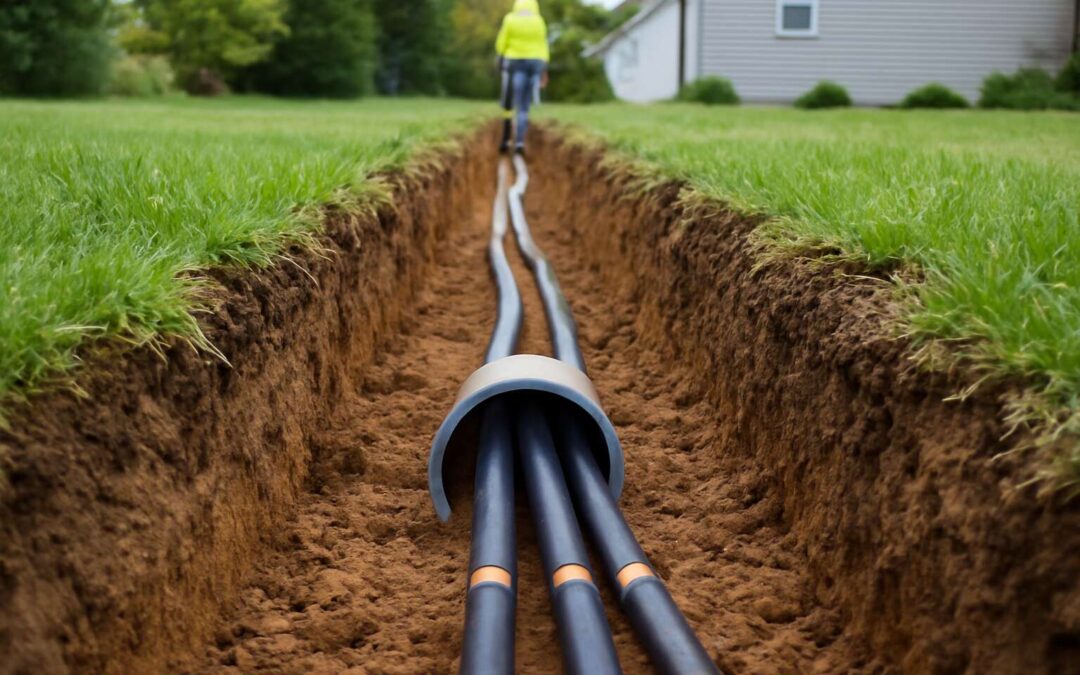
The question—what kind of electrical cable can be buried underground—has two straightforward answers: direct burial and conduit. Direct burial cables are designed to sit in soil, often armored and moisture-resistant, ready to be buried without a duct in most cases.
Conduit systems place the cable inside protective tubes (PVC or HDPE), making replacements and upgrades cleaner and less disruptive. In many SA installations, this approach reduces exposure to moisture and physical damage, while leaving room to pull in new conductors later.
Depth guidelines and why depth matters
Underground electrical cable basics whisper beneath our lawns, shielding the hum of power from wind and weather. More than half of new urban feeds in South Africa now run underground, a trend that reduces exposure and keeps yards tidy. So, what kind of electrical cable can be buried underground? The answer sits in two paths: direct burial and conduit.
Depth defines durability. In many SA installations, aim for roughly 450 to 600 millimetres below finished ground, with extra depth under driveways or busy garden zones. Local regulations may require deeper burial or the use of protective ducting to prevent accidental strikes.
Why depth matters? It shields conductors from moisture, roots, and accidental digs. It also sets a predictable path for future work. Consider these drivers:
- Moisture and groundwater
- Root intrusion and garden tools
- Mechanical damage from digging or vehicles
Common buried cable use cases
Underground living hides more than roots and roses. In South Africa, more than half of new urban feeds are buried, quietly powering neighborhoods without a visible trace. Underground electrical cable basics reveal a blend of sturdy insulation and careful routing, designed to withstand moisture and weather. So, what kind of electrical cable can be buried underground? The answer lies in durable jackets, moisture resistance, and the grit of installers who plan for roots, flood plains, and future access.
Common buried cable use cases include:
- Residential service feeders delivering power to homes and meters
- Outdoor lighting, irrigation mains, and garden features
- Municipal feeds that keep streets lit and public spaces vibrant
Insulation and protection carry the cable from moisture, roots, and curious garden tool mishaps. PVC- or XLPE-insulated cores, sometimes with armour, form a durable shield that can live underground for years. The route and installation context influence performance as much as the material, shaping reliability for everyday tasks and long-term resilience.
Pros and cons of underground cabling
Underground cabling is the quiet engine of our communities, winding power from substations to homes without a visible thread. A veteran installer likes to say, “The ground never complains; it just carries on.” In South Africa, that stubborn resilience keeps neighborhoods lit through storms, floods, and the long, patient days of rural life.
Underground cable basics hinge on a strong jacket and a careful route. Cables designed for burial wear moisture-resistant insulation—PVC or XLPE—and often a protective armour when the soil or traffic demands it. The aim is reliability, not flash, with a path that allows access for maintenance without tearing up the neighbourhood.
So what kind of electrical cable can be buried underground?
Typically, you’ll see direct-burial or duct-ready designs with rugged jackets, moisture barriers, and cores sized for the voltage they carry. They might be single- or multi-core, and they’re chosen to handle soil moisture, temperature swings, and occasional root intrusion—all while staying safe and stable through the years. In many SA projects, these cables are laid with regard for future access and community needs.
- Pros: cleaner streets, reduced weather outages, easier on maintenance crews
- Cons: higher upfront cost, more complex installation, upgrades require trenching
That blend of durability and planning is what keeps our towns humming, with reliability at the heart of every trench and every turn of the earth.
Code, standards, and safety considerations for buried electrical cables
National and local electrical codes overview
Cables lie quiet underground, powering homes and businesses without a visible hum. A veteran electrician puts it plainly: “Code compliance is the first line of protection in the soil.”
South Africa relies on SANS 10142-1 for wiring, with municipal by-laws and Eskom guidelines shaping buried installations. These standards cover cable insulation, protection, and the choice between ducting and direct burial.
To answer what kind of electrical cable can be buried underground, the project must respect both product ratings and installation methods.
- Armoured or conduit systems when required
- Moisture-resistant insulation and sheath
- Proper depth and backfill considerations
- Clear labeling and route marking
Safety culture matters: plan permissions, inspections, and protective measures stay with the code, not personal preference.
Permits, notifications, and trench approvals
Underground cables don’t hum; they endure beneath our feet, shaping the city without a single glimmer above ground. “Code compliance is the first line of protection in the soil,” a veteran electrician reminds us as standards shape the trench.
South Africa’s wiring discipline rests on SANS 10142-1 and Eskom guidelines, with municipal by-laws echoing in every trench. To answer what kind of electrical cable can be buried underground, project teams must respect product ratings and installation methods.
- Permits from local authority
- Notifications to Eskom/municipal inspectors
- Trench, backfill, and route approvals
Safety culture matters: plan permissions, inspections, protective measures stay with the code, not personal preference. Clear labeling and route marking prevent surprises during future maintenance and repairs, reinforcing a professional standard that protects people and property.
Marking and locating buried cables
“Code compliance is the first line of protection in the soil,” a veteran electrician reminds us, and it frames every trench. When asked what kind of electrical cable can be buried underground, the answer rests on standards, not bravado.
South Africa’s SANS 10142-1, Eskom guidelines, and municipal by-laws shape installation methods, ratings, and how the route is marked. Marking and locating buried cables aren’t decorative extras; they are safeguards for crews and communities alike.
Key marking and locating considerations:
- Durable marking tape and route markings are standard practices for safety and compliance
- As-built drawings and maps support maintenance and audits
- Professional locating methods with licensed personnel help identify buried assets before any disturbance
That careful culture—where the code travels from paper to ground—protects people and property long after the trench is filled.
Protective measures: conduits, backfill, and clearance
The ground rarely forgives bravado; a single trench misstep can ripple through a neighborhood! Code compliance is the quiet architect of safety, turning intention into protection that outlasts the project.
Protective measures are not afterthoughts; they are the shield between life and loss.
- Conduits and ducting to channel and protect cables
- Backfill using appropriate granular material to deter settling
- Clearance and trench spacing to keep other services safe
In addressing what kind of electrical cable can be buried underground, South Africa’s standards—SANS 10142-1, Eskom guidelines, and municipal by-laws—shape the method, ratings, and the route. They translate into safe, auditable practice from trench start to finish.
Grounding, insulation, and fault protection requirements
One spark can ripple through a neighborhood—codes aren’t decorations; they’re the difference between reliable service and a blackout. In South Africa, grounding, insulation, and fault protection aren’t optional add-ons—they’re the quiet force that keeps underground work safe and auditable. When you ask what kind of electrical cable can be buried underground, you’re really probing how insulation, earthing, and protective devices align with SANS 10142-1, Eskom guidelines, and municipal by-laws to govern ratings and routing.
- Grounding and bonding: proper earthing conductors and devices sized to the circuit, so a fault trips safely rather than surging through the earth.
- Insulation and jacket rating: materials tested for moisture, soil chemicals, and temperature, with sleeves designed for underground burial and long-term stability.
- Fault protection: overcurrent protection devices matched to conductor size and length, preventing nuisance trips and heat buildup.
Together, these standards translate into safe trenches, transparent audits, and a system that outlasts the project—without drama or damage to the neighborhood.
Cable types, ratings, and compatibility for underground installation
Direct-burial cables and their ratings (UF, XLP, etc.)
When you ask what kind of electrical cable can be buried underground, you’re asking for weatherproof backbone that can survive decades in soil. Direct-burial cables come with jackets and insulation built to shrug off moisture, temperature swings, and the occasional carrot-wielding rodent. Typical ratings that survive the dirt include UF (Underground Feeder) and USE-2/RHH/RHW-2, plus XLP insulation for the more rugged plots.
Examples include:
- UF-B (Underground Feeder Cable) with a tough outer jacket designed for direct burial
- USE-2 / RHH/RHW-2 conductors suitable for underground service entrances and wet locations
- XLP-insulated cables used in underground installations and USE-2 configurations
For South Africa projects, labeling and local standards matter more than a good cup of coffee.
Cables in conduit vs direct burial
Underground power runs quietly—and in the right soil, it can outlast the weather by decades. For South Africa projects, what kind of electrical cable can be buried underground? The answer hinges on moisture resistance, jacket quality, and how you intend to route it—through conduit or with rugged direct burial readiness.
Conduit installations offer a buffer against moisture and a path for upgrades, while direct burial relies on jackets and backfill tuned to soil conditions. In both cases, choose cables marked for wet locations, with robust insulation and abrasion-resistant sheathing, and ensure they align with local code expectations.
- Conduit-ready conductors for easy pulls
- Direct burial-rated jackets for soil contact
- Moisture-resistant insulation and backfill compatibility
- South Africa-standard compliance and site considerations
This balance guides reliable, long-lasting underground networks.
Insulation and jacket materials for underground use
“Moisture never takes a holiday,” a veteran installer likes to say. In South Africa, what kind of electrical cable can be buried underground hinges on moisture resistance, jacket bravado, and how you route it—through conduit or direct burial readiness. Cables must wear a wet-location rating, with insulation that shrugs off soil chemistry and abrasion-resistant sheathing that survives trench life.
For a quick guide, consider these traits:
- Direct burial-rated jackets with moisture and abrasion resistance
- XLPE/XLP insulation for heat, chemical resistance, and long life
- Backfill-compatible sheathing that performs in local soil conditions
South Africa-standard compliance and site considerations should steer a thoughtful selection, avoiding the drama of moisture-driven failures.
Ampacity, voltage rating, and temperature rating
Cables live in the dirt for decades, quietly powering towns; misjudged ratings are the loudest failures. In South Africa, what kind of electrical cable can be buried underground hinges on ampacity, voltage rating, and temperature rating. The soil is unforgiving: moisture, chemistry, and heat demand thoughtful, robust insulation and a skin that can endure trench life.
The key considerations are:
- Ampacity alignment with load and ambient derating
- Voltage rating suitable for the system (0.6/1 kV class common; higher ratings for medium voltage)
- Temperature rating to handle soil temperatures without insulation degradation
With these factors in view, the choice becomes a durable partnership between insulation, jacket, and soil, shaping a long, quiet routine of dependable power delivery across South African landscapes.
Waterproofing and chemical resistance considerations
In South Africa’s landscapes, what kind of electrical cable can be buried underground guides every design decision. The choice hinges on ampacity, voltage rating, and temperature rating, but the soil adds a stubborn test for insulation and jackets. Moisture, chemistry, and heat demand robustness that can quietly outlast decades of service.
When defining compatibility for underground installation, cable families and their ratings matter more than rumor. For easy reading, consider these common pathways:
- Direct-burial XLPE-insulated cables with rugged jackets (UF/URD-style) designed to shed water and soil moisture
- Armoured variants for rocky or compacted soils where physical protection is essential
- Conduit-ready types that can be enclosed for added defense against chemicals and abrasion
- Moisture-barrier and chemical-resistant jackets to resist soil chemistry
Together, insulation, jacket, and soil form a durable partnership that keeps power flowing across the veld and suburbs alike.
Installation best practices and maintenance for underground cables
Trench design, bedding, and backfill selection
Across South Africa, underground faults cost utilities and homeowners millions yearly, often from one trench misstep. The right burial approach can mean weathering storms rather than chasing outages!
Installation best practices hinge on trench design, bedding, and backfill.
- Trench design: preserve space for bedding and protection with stable sides and future access in mind.
- Bedding: cushion the cable with inert material such as fine sand to prevent edge damage.
- Backfill: compact and layer material to minimize settlement and maintain drainage, avoiding sharp debris.
This touches the question what kind of electrical cable can be buried underground and under what conditions it remains protected across soils and climates.
Maintenance isn’t a one-off. Regular visual checks, drainage awareness, and clear markers help catch moisture issues early and keep an underground network dependable.
Drying, moisture control, and drainage considerations
Beneath South Africa’s streets, moisture is the stealthy saboteur of buried lines. A recent storm can turn a quiet run into a chorus of outages, unless dryness is built into the design. “Dry is the shield,” a veteran installer likes to remind us, and he’s right.
Maintenance for underground cables hinges on drying, moisture control, and drainage. This is where the phrase what kind of electrical cable can be buried underground reveals the need for jackets and bedding that resist water and a trench that channels water away from the conductor.
Key maintenance steps include:
- Inspect drainage paths quarterly and keep pits clear.
- Maintain marker visibility to prevent accidental trench disturbance.
- Check that backfill remains compact and edges stay protected after heavy rain.
- Monitor moisture levels with simple sensors in high-risk areas.
With vigilance, your underground network stays dependable through storm and sun.
Joints, splicing, and terminations in buried installations
Joints and terminations anchor an underground network, yet they are only as sound as the seal that guards them. In South Africa’s seasonal deluges, a single drop can turn a quiet link into a chorus of outages. The question what kind of electrical cable can be buried underground guides our choice of jackets and moisture-resistant splices for a durable connection.
Consider these essentials:
- Moisture-resistant connectors matched to jacket material and voltage
- Seals and sleeves that withstand soil chemistry and pressure
- Quality restraint and torque to prevent micro-movements that invite leaks
- Appropriate sealing during moisture events and backfill compatible with the installation
Maintenance echoes the same creed: vigil, inspection, and respect for interfaces that carry current beneath the street. Well-sealed joints stay dry, and quiet continuity endures through sun and storm.
Testing, commissioning, and inspection procedures
Testing, commissioning, and inspection procedures seal the installation after trench backfill. In South Africa’s climate, moisture isn’t a rumor—it travels, condensing at joints if seals falter. This is the question: what kind of electrical cable can be buried underground guides not only product selection but the cadence of checks, demanding traceable test records, clear pass/fail criteria, and a plan for remedial action before energizing.
- Pre-commission insulation resistance and continuity tests
- Post-installation moisture ingress and sheath integrity checks
- Ongoing trend monitoring and visual inspections
When testing aligns with disciplined maintenance, moisture scares retreat and quiet continuity endures through sun and storm.
Maintenance, fault-finding, and safety around buried lines
Moisture is the silent contractor in the ground. A foreman once said, ‘If you seal the joints, you seal the future.’ That mindset governs every buried run in our climate. When you ask what kind of electrical cable can be buried underground, you’re choosing durability, ease of maintenance, and safety. The plan is a dry, protected path from supply to load, backed by traceable test records and clear pass/fail criteria.
- Mark trench locations and cable routes clearly on site drawings
- Use proper bedding, backfill, and drainage to limit moisture migration
- Establish a routine inspection and fault-finding protocol with documented results
Keep safety front and centre. Isolate circuits before any digging, train teams on buried-line awareness, and monitor for signs of swelling, corrosion, or water ingress. With disciplined installation and ongoing maintenance, buried lines deliver years of reliable service.