
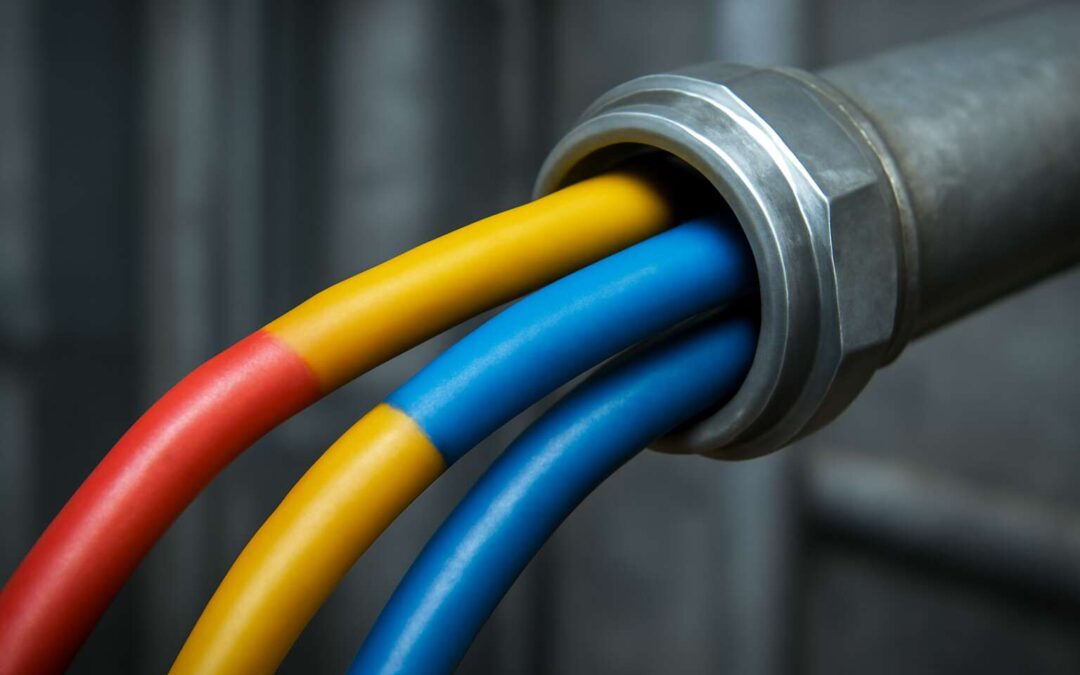
Understanding Three-Phase Electrical Cables
What is a three-phase system?
In South Africa, three-phase networks power everything from factories to office parks with quiet certainty. A practical stat: well-designed three-phase systems cut conductor losses by up to 20%. I hear the gentle hum of an electrical cable 3 phase and feel the balanced heartbeat that drives motors, lights, and a thriving grid!
What is a three-phase system? It is three alternating currents, each offset by 120 degrees, cooperating to deliver constant, smoother power. At 50 Hz, common SA installations run around 400 V line-to-line and 230 V line-to-neutral, enabling heavier loads to breathe without the jitter of single-phase surges.
- Balanced loading for motors
- Smaller, more efficient cabling for the same power
- Quieter, steadier operation and less maintenance
Understanding these intricacies helps engineers select the right three-phase cable for any project, sustaining performance with elegance.
Key components of three-phase cables
Across South Africa, the factory floor hums with precision. A robust electrical cable 3 phase does more than carry power; it choreographs torque, speed, and safety. The design minimizes losses and smooths fluctuations, turning potential jitter into a reliable heartbeat for motors and lights. Cable construction matters as much as conductor size, insulation, and rating, shaping efficiency from the moment power enters the conduit!
Key components include:
- Conductor cores—copper or aluminium—matched to load.
- Insulation and shielding for impedance control and protection.
- Outer jacket and armour for rugged environments.
Choosing the right construction involves voltage class and temperature rating and approvals; copper cores support higher currents, while aluminium offers weight savings. Insulation such as XLPE excels at heat, and jackets seal out moisture, ensuring longevity in SA facilities.
Voltage, current, and phase relationships
“Three-phase is the orchestra that keeps the factory humming,” you might hear in SA engineering rooms. Understanding the electrical cable 3 phase means grasping how voltage, current, and phase angle harmonize to deliver smooth torque and dependable lighting.
In a balanced system, the line-to-line voltage is √3 times the line-to-neutral voltage. The current story depends on the connection: in a wye setup, I_line equals I_phase; in delta, I_line equals √3 times I_phase. The three 120-degree separations keep power delivery steady.
- Voltage relationships: V_LL = √3 · V_LN
- Current relationships: I_line = I_phase in wye; I_line = √3 · I_phase in delta
- Phase shift: ~120° between each pair
With this picture in mind, selecting the right configuration guards against impedance quirks and moisture ingress in SA facilities, ensuring reliable performance.
AC vs DC considerations for three-phase systems
Three-phase power guides the factory floor with quiet precision. In South Africa, most heavy loads run on AC because rotating fields deliver smooth torque and dependable lighting. When weighing AC vs DC considerations within a three-phase framework, the focus shifts from input type to control strategy, harmonic management, and how cables cope with heat and transient faults.
- Harmonics shape torque stability and luminaire performance.
- Rectified DC feeds in motor drives alter cable ratings and insulation needs.
- Thermal and moisture resilience matters in SA facilities, where climate and dampness vary.
From an engineering stance, DC isn’t the default in a pure three-phase loop; when rectifiers and drives sit on the line, impedance, insulation classes, and cooling strategies come to the fore. This is where wiring schemes meet plant realities—electrical cable 3 phase must accommodate transient faults, protection coordination, and voltage delivery. That synergy keeps equipment humming and lighting steady.
Common insulation and conductor materials in three-phase cables
Three-phase power relies on insulation and conductor choice to keep volts where they belong! Understanding the materials that line electrical cable 3 phase helps plant designers avoid heat traps and aging. Copper remains the standard for most runs, offering durability and low resistance, while aluminum provides a lighter option for longer spans. Insulation does the heavy lifting behind the sheath—rated for voltage, temperature, and moisture exposure.
Common insulation materials balance cost, flexibility, and heat management. The main options are:
- XLPE (cross-linked polyethylene) – high-temperature resistance and moisture performance.
- PVC (polyvinyl chloride) – cost-effective and easy to install for low-to-medium voltage runs.
- EPR (ethylene propylene rubber) – elastomeric insulation suitable for dynamic loads.
- PE (polyethylene) – simple, robust insulation for some cable types.
Jackets and armour influence how long cables last in wet SA environments. PVC jackets cover indoor routes, while cross-linked jackets handle outdoor exposure and dampness.
Types and Configurations of Three-Phase Cables
Wye (star) vs Delta configurations
Across South Africa, the electrical cable 3 phase powers every farm workshop, town streetlight, and shed with a quiet, relentless rhythm. ‘Power moves in three steps,’ a veteran linesman likes to remind the industry, and that cadence governs how motors start, run, and endure. When configurations are discussed, the choice between Wye and Delta becomes more than a technical aside; it shapes everyday reliability.
Two common configurations are Wye (star) and Delta:
- Wye (star) brings in a neutral, balancing voltage for mixed loads and gentler starting torque.
- Delta provides a closed loop, higher line currents, and no neutral requirement for several motor sizes.
Ultimately, the configuration you encounter mirrors load profiles and space constraints on SA sites, from rural workshops to urban yards, influencing how power flows through the system and how faults are absorbed.
Single-core vs multi-core cables
Three-phase power is the quiet weather that never breaks—across South Africa’s farms and city yards, it keeps the heartbeat steady like a midnight drum. A mis-sized cable can turn a workshop into a silent chamber.
Single-core versus multi-core cables define how a bundle breathes. In an electrical cable 3 phase world, single-core runs suit long, straight routes; multi-core spares space, tucking several conductors into one sheath.
- Single-core: one conductor per phase, simpler terminations and easier isolation.
- Multi-core: several insulated conductors in a single sheath, saving room and simplifying routing.
- Armoured or screened variants for rugged SA environments, offering protection where the land tests metal and cable alike.
From rural yards to urban installations, the configuration shapes heat, fault response, and how power flows through the darkness and light alike.
Copper vs aluminum conductors
Three-phase power moves with a quiet intensity through South Africa’s farms, yards, and city arteries—a rhythm that keeps industry awake long after sunset. “The line never sleeps,” a veteran engineer says, and it’s true. When you select electrical cable 3 phase, you’re choosing reliability, heat management, and the long view for scalable power delivery across rugged terrain and sprawling installations.
Copper and aluminum each carry a distinct voice in three-phase design. Copper offers the steadiest conductivity and the most forgiving terminations; aluminum shines in light weight and cost savings for long spans. A well-sized cross-section balances resistance, voltage drop, and temperature rise while respecting SA’s environmental realities.
- Copper: highest conductivity and robust terminations
- Aluminum: lighter, cost-efficient for long routes
- Hybrid approaches: tailored cross-sections for mixed loads
Configurations vary from tidy tri-core in a single sheath to armored or screened builds for rugged environments. In three-phase systems, insulation choices and conductor sizing determine heat behavior, fault response, and how power moves through both farm sheds and urban substations without drama.
Armored vs non-armored cables
As I map the grid across South Africa’s veld and urban arteries, armored cables rise where grit and moisture threaten the heart of the line. Armored variants cloak the conductor in steel or aluminum armor, resisting digs, pests, and the chaos of outdoor trenches—perfect for direct burial and long spans. Non-armored builds, leaner and more pliant, shine in ducted routes and protected indoor spaces. For an electrical cable 3 phase in rugged terrain, the choice hinges on environment, current, and the way heat finds its resting place.
In practice, armored and non-armored constructions sit at opposite ends of a spectrum, each with its own rhythm and resilience.
- Armored: direct burial, robust protection against mechanical damage, and improved safety in harsh environments.
- Non-armored: lighter weight, easier handling, and lower upfront cost for protected routes.
The interplay of sheath, shield, and jacket tells the story of reliability across farms, towns, and substations.
Low voltage versus high voltage cable types
One kilometer of high-voltage cable can power a small town, turning the grid into a living circuit of promise. For the electrical cable 3 phase that threads South Africa’s farms and cities, the journey splits into two families: low voltage and high voltage, each with its own gear, insulations, and dreams.
Low-voltage three-phase cables, typically up to 1 kV, arrive as multi-core runs in trays or ducts. They favor PVC or XLPE insulation, copper or aluminium conductors, and a lightweight jacket for indoor or protected routes. High-voltage cousins, by contrast, wear tougher armor of XLPE insulation, shields, and sometimes steel armor, built for long spans, moisture, and rugged terrain. For an electrical cable 3 phase serving distant loads, HV designs trade flexibility for endurance and lower losses.
- Low-voltage three-phase: multi-core, flexible, PVC/XLPE insulation, ease of installation.
- High-voltage three-phase: XLPE insulation, metallic screen, possible armour, optimized for long runs.
Materials, Sizing, and Performance
Conductor materials and sizing methods
On rural farms, the heartbeat of power is the conductor that runs to pumps and sheds. When choosing an electrical cable 3 phase, material matters. Copper offers low resistance and enduring reliability for long runs, while aluminum keeps upfront costs lighter but needs careful sizing and protection. In South Africa’s heat and dust, the right choice reduces losses and extension of life.
- Conductor material: copper vs aluminum, balancing conductivity and weight
- Installation length and ambient temperature requiring derating and larger sizes
- Corrosion resistance and mechanical protection for rural environments
Sizing and performance blend science with everyday practicality: ampacity and temperature-rated conductors guide cross-section choices; derating for ambient conditions and grouping ensures safe operation. Three-phase loads demand careful voltage drop checks, impedance awareness, and adequate short-circuit resilience for reliable service.
Insulation and sheath materials
Materials shape the shield of power for an electrical cable 3 phase. XLPE, PVC, and EPR insulation offer different temperature and moisture resilience, while sheath options like PVC or HDPE provide abrasion resistance and moisture barriers. In South Africa’s heat and dust, the right combination extends life and keeps performance steady.
- XLPE insulation
- PVC insulation
- EPR insulation
Sizing hinges on ampacity and ambient derating. In hot rural air or when cables are grouped, larger cross-sections may be required; check voltage drop and short‑circuit resilience for three-phase loads.
Performance centers on insulation and sheath materials that weather UV storms, moisture, and wear. A robust jacket plus moisture barriers guard against farm grit, while optional armour adds long-term protection in rugged sites.
Thermal rating and ampacity calculations
Across South Africa, uptime is currency; proper insulation can cut moisture faults noticeably. In the electrical cable 3 phase, XLPE, PVC, and EPR insulation offer different temperature ceilings and moisture resilience, while sheath options like PVC or HDPE provide abrasion barriers.
- XLPE insulation for high-temperature resilience
- PVC insulation with good moisture resistance
- EPR insulation for flexible, robust protection
Sizing hinges on ampacity and ambient derating. In hot rural air or when cables are grouped, larger cross-sections may be required; derating charts reflect the impact on voltage drop and short-circuit resilience for three-phase loads.
Performance centers on insulation and sheath materials that weather UV storms, moisture, and wear. A robust jacket plus moisture barriers guard against farm grit, while optional armour adds long-term protection in rugged sites. Thermal rating and ampacity calculations must account for ambient temperature, cable grouping, and conductor arrangement. This matters for electrical cable 3 phase deployments.
Voltage drop and impedance considerations
Materials drive reliability in every splice and bend. XLPE offers high-temperature resilience, PVC insulation carries moisture resistance, and EPR delivers flexible, robust protection. Jackets such as PVC or HDPE form abrasion barriers for farm grit and UV exposure. In electrical cable 3 phase deployments, insulation-sheath choices govern long-term integrity in SA conditions.
- XLPE insulation for high-temperature resilience
- PVC insulation with good moisture resistance
- EPR insulation for flexible, robust protection
Sizing hinges on ampacity and ambient derating. In hot rural air or when cables are grouped, larger cross-sections may be required; derating charts reflect the impact on voltage drop and short-circuit resilience for three-phase loads. The aim is to preserve consistent performance across demanding SA environments.
Performance centers on voltage drop and impedance; these factors tighten as conductor arrangement changes and as moisture or dirt intrudes. A robust jacket with moisture barriers reduces wicking, while careful conductor spacing minimizes impedance increases.
Cable bending radius and installation guidelines
Materials knit reliability into every splice and bend. For electrical cable 3 phase, the choice of core insulation and outer jackets shapes long‑term performance against South Africa’s dusty, sun‑baked countryside. Thoughtful material pairing reduces moisture ingress and wear at hot, exposed joints.
Sizing hinges on ampacity and ambient derating; in hot rural air or when cables are grouped, larger cross‑sections may be required because temperature and proximity sap capacity. Derating charts reveal how temperature, packing, and protection affect voltage drop and short‑circuit resilience for three‑phase loads.
Performance relies on a sensible bending radius and a tidy, well‑supported run. Impedance can creep when runs are crowded or grit reaches the sheath. Focus on spacing, secure supports, and gentle curves to protect longevity for three-phase systems across farms and fields.
- Conductor alignment and spacing
- Moisture barrier integrity
- Support intervals and bend radius compliance
Installation, Standards, and Compliance
Standards and codes (IEC, NEC, and local regulations)
Installation of an electrical cable 3 phase is more than threading wires through a conduit—it is a reckoning with heat, imbalance, and reliability. Get phasing right, maintain separation from other services, and respect enclosure ratings. When done well, the system behaves like a well-tuned instrument under peak load.
Standards and codes shape every decision. The IEC 60364 family sets the baseline for safe electrical installations; the NEC governs in many markets; South Africa aligns with SANS 10142-1 and local regulations, weaving national practice into the global fabric. Key references include:
- IEC 60364 series for electrical installations
- SANS 10142-1 for South Africa
- Local regulations and NEC where applicable
Compliance is ongoing: audits, documentation, and periodic testing verify integrity and safety. Municipal approvals, inspection regimes, and record-keeping ensure longevity and accountability. When standards are honoured, the path from design to operation feels less like risk and more like stewardship!
Installation best practices and safety
Installing an electrical cable 3 phase isn’t merely threading wires through a conduit; it’s a reckoning with heat, imbalance, and reliability. Nail the phasing, keep phases separated from other services, and respect enclosure ratings. When done well, the system performs like a finely tuned instrument under peak load.
Standards set the rhythm. The IEC 60364 family anchors safe installations, SANS 10142-1 guides South Africa, and local regulations keep practice aligned with national needs. These references steer material choices, clearances, and fault protection.
- Regular audits and documentation
- Municipal approvals and inspections
- Record-keeping for maintenance and traceability
Compliance is ongoing—audits, documentation, and periodic testing verify integrity and safety, tying design to operation and accountability.
Testing and commissioning procedures
Installation of an electrical cable 3 phase is a careful art, where heat, harmonics, and balance demand disciplined routing. Keep phases apart from other services to minimize interference, and respect enclosure ratings to protect the heart of the system. When laid with intent, the three-phase arrangement hums at steady tempo under peak load.
Standards anchor the rhythm. International and local codes shape the choice of insulation, conductor sizing, and clearances, guiding decisions from material selection to fault protection. In South Africa, SANS 10142-1 and IEC 60364 family harmonize practice with national needs, ensuring compatibility across installations and reliability in service.
Compliance testing and commissioning procedures close the loop, proving the installation performs as designed. This phase embraces inspections, functional checks, and documentation that ties design to operation. A concise record helps future audits, municipal approvals, and ongoing maintenance.
Protection, labeling, and documentation
Driving a plant forward with a calm, steady current requires more than copper and insulation; it needs a philosophy. The hum of proper installation speaks volumes about discipline, especially for electrical cable 3 phase. It is the art of routing, keeping phases apart from other services, and applying trustworthy protection that keeps heat, harmonics, and balance in check. When you stroll the cable bays and see clean terminations, you hear confidence, not chaos.
Standards and compliance anchor this craft. In South Africa, the regulatory landscape rewards clarity, traceability, and auditable records that demonstrate the system will perform when called upon. The aim is a dependable heartbeat, not a near-miss.
Labeling and documentation are the system’s memory and its future-proofing. They deserve as much care as the copper itself.
Maintenance and lifecycle considerations
Installation is choreography for the hands and the heart of the system. I watch the routes stay clear of other services, where electrical cable 3 phase trays are secured with care, and terminations seat with quiet confidence. Proper bend radii and support spacing keep heat and vibration at bay, even in crowded bays!
Standards guide every twist and turn. In South Africa, clear documentation and auditable records align with SANS 10142-1 and local safety codes, ensuring that what is laid down performs when called upon, not merely admired on the drawing board.
Maintenance and lifecycle considerations demand foresight: aging insulation, connector integrity, and corrosion protection are revisited as part of a living program. A resilient heartbeat emerges from planned inspections, timely replacements, and relentless attention to traceability and accountability.
- Asset tagging and records!
- Periodic insulation and connector checks
- Access, safety, and change audits