
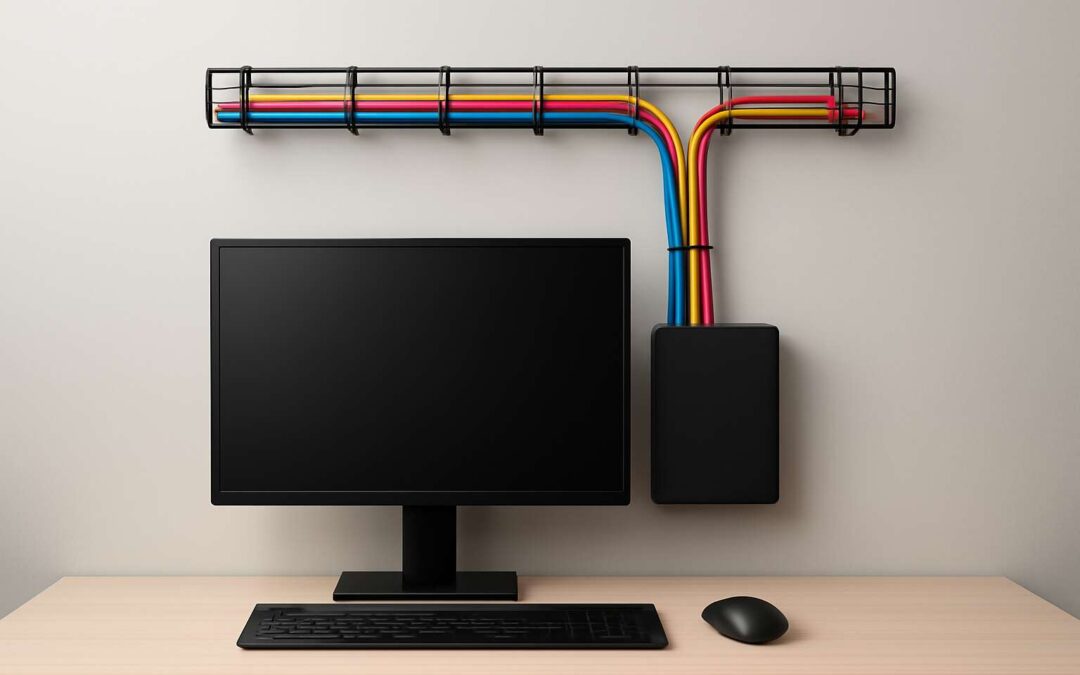
Essential Principles of Cable Management Systems
Principles of neat cable routing and organization
Across South Africa, the hum of a building speaks a truth: proper order of wires saves time and lives; electrical cable management is the quiet guardian of uptime, turning chaos into order and reducing heat, wear, and risk.
The essentials can be distilled into a few enduring principles:
- Plan routes that keep critical runs accessible and inspectable
- Use appropriate supports, cable trays, and strain relief
- Label, map, and document as a living system for maintenance
From Cape Town docks to Johannesburg offices, neat routing breathes life into wiring. Good layout supports airflow, eases testing, and invites future growth. I have seen rooms calm when cables align with walls and ceilings, and the ordered silence feels almost cathedral, astonishing!
Color coding and labeling standards
Color coding and labeling are the quiet sentinels of electrical cable management. A snappy line: “Color is the first language of a cable farm.” In South Africa, standards like SANS 10142-1 steer the practice so live, neutral, and earth are instantly recognizable, not after a scavenger hunt.
These standards create a common dialect across sites—Cape Town offices, Durban data rooms, and rural campuses alike, a cornerstone for maintenance. A consistent palette, auditable labels, and a living schematic map transform a tangle into a dashboard that technicians can read in a glance. The result: less miswired downtime and easier future upgrades.
- Color-coded cues align with live/neutral/earth for quick identification
- Legible labels with circuit ID, date, and responsible person
- Up-to-date diagrams that reflect physical cable routes and terminations
Even amidst chaos, color coding keeps the room calm and the crew confident. That’s why electrical cable management matters.
Load and thermal management considerations
Heat is the tax we pay for bandwidth, and I see it in the field daily. In the field, a surprising share of equipment faults traces to overheating—a quiet drain on uptime. Essential principles of cable management systems start with how load and thermal management intersect. The aim is simple: keep cables cool enough to protect insulation, connectors, and performance, even as ambient temperatures swing.
- Load distribution helps avoid hotspots
- Thermal airflow paths prevent stagnant pockets
- Cable sizing and spacing reduce heat buildup
Viewed this way, electrical cable management becomes a thermal network you can read at a glance, not a tangle that hides trouble until it’s loud.
Accessibility and future-proofing layouts
On South Africa’s most demanding facilities, accessibility isn’t cosmetic—it’s a lifeline. “Cable layout is policy in motion,” says a veteran installer, and that truth shapes electrical cable management: keep the path clear so faults don’t erupt behind panels.
Accessible layouts demand space for maintenance corridors, modular containment, and visible, reachable terminations. For future-proofing, plan for expansion with modular trays and configurable junctions that adapt as loads change, keeping the system calm rather than chaotic.
- Maintenance-friendly space planning
- Modular containment that accommodates growth
- Accessible terminations with clearly defined zones
In practical terms, this approach reduces downtime and optimizes space, a win for South African data halls and industrial sites alike. The aim is layouts that breathe—easy to clean, diagnose, and upgrade as demand evolves.
Tools, Accessories, and Materials for Effective Cable Management
Cable raceways, conduits, and trunking
Across South Africa’s busy offices and workshops, neat cable routes are a quiet superpower—minimising downtime and making space feel calmer. In electrical cable management, the right tools do more than tidy up; they reveal the hidden backbone that keeps servers, desks, and machines singing in time.
From robust cable raceways to flexible conduits and sturdy trunking, the core materials influence heat flow, durability, and ease of access. Pair these with precise measuring tools, sharp cutters, and a clean labeling system, and you create an environment where cables behave like a well-rehearsed orchestra.
- Cable raceways and conduits (PVC, steel, or aluminum)
- Trunking systems (surface or recessed)
- Fixing hardware (clips, brackets, screws)
- Identification and labeling supplies
- Protective sleeves, grommets, and bend radii devices
- Measuring and cutting tools (tape measure, cable cutters)
These choices reinforce reliable electrical cable management across SA sites, marrying practicality with a touch of craft.
Cable ties, Velcro straps, and cable clamps
In the quiet hum of South Africa’s offices and workshops, tools become the rhythm that keeps cables singing in time. Cable ties, Velcro straps, and cable clamps are more than fasteners; they are sentences of order that let cables breathe while staying neat.
- Cable ties
- Velcro straps
- Cable clamps
For effective electrical cable management, choose materials that balance durability with gentle restraint—solutions built to endure daily life while keeping pathways calm. When paired with a clean labeling system and snug sleeves, the arrangement becomes choreography rather than chaos.
Cable organizers: trays, baskets, and panels
In the quiet hum of South Africa’s offices, the right tools turn tangled cables into a navigable map for electrical cable management. Choose cable organizers that feel like partners in a responsible rhythm—trays, baskets, and panels that cradle the cables while inviting airflow and readability.
- trays
- baskets
- panels
Materials matter as much as method. Opt for durable yet gentle options—powder-coated steel, UV-stable plastics, and corrosion-resistant aluminium—that withstand daily use and climate variations. Pair them with open layouts and modular fittings to keep pathways calm and your team humming along.
Cable grommets, bushings, and mounting hardware
In SA offices where cables creep like vines behind desks, a tidy spine is everything. The right tools for electrical cable management—grommets, bushings, and mounting hardware—turn a frayed tangle into a disciplined pathway. They cradle the cables, invite airflow, and keep readability sharp, so meetings don’t degrade into a hiss of buzzing chaos.
- Cable grommets: rubber or metal for seal and routing
- Bushings: plastic or metal cushions for bends
- Mounting hardware: brackets and clamps for secure routing
Materials matter as much as method. Opt for durable yet gentle options—powder-coated steel, UV-stable plastics, and corrosion-resistant aluminium—that withstand daily use and climate variations in South Africa. Pair them with open layouts and modular fittings to keep pathways calm and your team humming along in quiet electrical cable management.
Wire management accessories for data and power cables
Electrical cable management isn’t glamorous, but it’s the backbone of a productive SA office. In spaces where power and data rebel behind desks, the right tools keep tension off the cables and on the meeting agenda—without turning into a buzzing improv show.
Tools and accessories shape the outcome. A compact toolkit and a smart labeling system save time and prevent misrouting. Consider these essentials:
- Non-conductive cable cutters and precise wire strippers
- Non-contact voltage tester and handheld thermal camera
- Label printer and marker set for clear identification
Materials matter as much as method. Opt for durable yet gentle options—stainless steel hardware, powder-coated aluminium, and UV-stable plastics. For housings and supports, choose glass-filled nylon or polycarbonate to withstand heat and sun in South Africa. Pair with open layouts and modular fittings to keep pathways calm and the rhythm of business uninterrupted.
Routing and Installation Techniques for Different Environments
Under-desk and wall-mount routing
Authority meets aesthetics in every snag of an office desk, and neat routing is a quiet productivity booster. For under-desk runs in South Africa, lay cables along the rear edge using slender, adhesive-backed channels, away from heat sources and foot traffic, and keep socket access unhindered. This is essential to electrical cable management.
- Plan the run to minimize bends and cross-traffic.
- Secure with unobtrusive fixtures that align with the desk frame.
- Label the path for future changes, keeping power and data relationships tidy.
For wall-mount scenarios, use low-profile channels that hug the wall, route along studs where possible, and maintain slack for future devices. In both environments, test movement paths and avoid compressing cables behind equipment; a measured bend here prevents crimping there. Adhering to SANS 10142-1 guidelines keeps SA installations compliant and efficient.
Server rooms and data centers: pathways and containment
In South Africa’s server rooms, I’ve learned they demand more than power and racks; they crave restraint. A single tangled conduit can slow a flow of data and drain morale. Good electrical cable management acts as a quiet backbone, guiding routes with care and leaving room for growth. The aim is clean pathways that reduce airflow disruption and make hot spots easier to spot.
- Clear delineation of pathways to minimize interference with airflow
- Consistent separation of high-draw power cabling from data lines
- Modular containment that scales with evolving hardware
From years spent shadowing rural workshops turning into data hubs, I’ve seen how thoughtful routing turns tension into trust. The look and feel of orderly paths become part of the room’s quiet character, a small mercy in a demanding environment.
Industrial environments: vibration and abrasion protection
“A tidy cable is a quiet signal that the plant is listening,” a veteran shop-floor voice once said. In South Africa’s industrial environments, routing must endure vibration, dust, and abrasion while staying accessible for service and upgrades. The difference a clean path makes is evident on the line!
Thoughtful routing hinges on vibration-damping mounts, flexible conduits, and abrasion-resistant sleeves that ride with equipment rather than fight it. For movement-prone environments, add grommets and strain relief to prevent wear. electrical cable management keeps lines calm and reliable.
- Vibration-damping mounts and flexible conduits
- Abrasion-resistant sleeves and shielded cables
Whether indoors beside heavy machinery on a South African floor or along a dusty line, paths are tailored to equipment movement and airflow is preserved. A practiced routing ethic keeps the hum of production unmistakably steady.
Compliance, Safety, and Risk Management in Cable Management
Electrical codes and standards (NEC, IEC, NFPA)
Compliance isn’t a dry rulebook; it’s the backbone of safe, reliable cable management. In busy facilities, disciplined routing and proper containment translate into fewer outages and lower risk of fire or shock. Codes from NEC, IEC, and NFPA shape every decision, while South African practices tailor them to local realities. When cables are orderly, labels clear, and pathways unobstructed, teams move with confidence—when they’re not, risk lurches in like a loose conductor, ready to arc and alarm.
- Adherence to NEC, IEC, and NFPA across design, install, and maintenance
- Documentation and traceability with as-built drawings, inspection logs, and testing records
- Periodic audits and risk assessments to catch aging or damage
These guardrails reinforce safety, accountability, and resilience in electrical cable management.
Fire safety and cable ratings
In the realm of electrical cable management, compliance is a living shield. Fire safety and cable ratings steer routing, containment, and clearance, so busy facilities in South Africa guard against outages and shock in crowded switchrooms. The best teams blend international codes with local practice, turning risk into predictable, confident performance.
- Fire-rated containment and separation of power and data paths
- Consistent documentation and visibility of critical routes
- Clear labeling and traceability to support rapid incident response
Smart risk management grows from visible records and disciplined audits, ensuring the practice remains resilient under aging, vibrations, and temperature swings. Safety becomes second nature when every decision is anchored in careful, ongoing oversight.
Inspecting and documenting cable layouts
In South Africa’s bustling switchrooms, compliance acts as a living shield around electrical cable management. A single audit-approved diagram can forestall outages and keep orbiting heat in check. “Safety isn’t a rule; it’s a rhythm that keeps every shift steady,” a veteran foreman likes to say.
Inspecting and documenting cable layouts isn’t bureaucratic fluff; it’s risk management that ages with the facility. When routes are visible, teams anticipate interference, resolve conflicts, and speed up incident response. Ongoing oversight makes safety second nature and protects people, equipment, and performance.
- Digital mapping and version control for layouts
- Audits focusing on aging, vibrations, and thermal drift
- Defined ownership and change-tracking across teams
This is how our practice becomes a quiet partner in resilience across South Africa.
Emergency disconnections and labeling for emergencies
Amid South Africa’s busy switchrooms, one well-placed label can avert a cascade of outages. In this field, electrical cable management is less about tidiness and more about readiness. “Safety isn’t a rule; it’s a rhythm that keeps every shift steady,” a veteran foreman likes to say. Compliance, safety, and risk management weave a shield around emergencies and everyday operation alike, turning complex layouts into trusted practice.
Emergency disconnections and labeling for emergencies demand clarity at the point of need: quick identification, unambiguous indicators, and durable documentation that responders can follow without hesitation. When these elements align, teams find calm in chaos and keep critical systems from spiraling out of control.
Across South Africa, this disciplined approach becomes a quiet partner in resilience—protecting people, equipment, and performance, even when the lights flicker.
Maintenance, Troubleshooting, and Future-Proofing
Regular auditing and labeling updates
Maintenance keeps everything tidy and safe; think of it as a spa day for cables—dust removed, connections checked, and runs verified for heat. Regular attention prevents creeping tangles that cause airflow bottlenecks and mystery smells. In the world of electrical cable management, consistency saves calories and cash!
Troubleshooting in a calm voice beats panic. Look for patterns: warmth, buzzing, or tripping breakers—these are breadcrumbs toward the real culprit, such as impedance shifts or degraded connectors. Record observations and resist the urge to improvise with duct tape. This discipline matters in SA offices, data halls, or workshops.
Future-proofing means regular auditing and labeling updates that keep pace with growth. It means a living map—updated as rooms change, racks move, or new gear arrives—so labels never mislead a technician. When the labeling aligns with the layout, downtime stays rare and morale stays high.
Troubleshooting common cable misrouting
Across the data floor, tidy cables mean cooler, calmer servers—and 30% less maintenance time in neatly organized racks. Maintenance keeps everything tidy and safe; think of it as a spa day for electrical cable management. Dust vanishes, connections are checked, and heat signatures are verified rather than ignored. A little discipline yields big returns, especially in SA offices and workshops where space is precious.
Troubleshooting in a calm voice beats panic. Look for patterns: warmth, buzzing, or tripping breakers—breadcrumbs toward the real culprit, such as impedance shifts or degraded connectors. Record observations and resist the urge to improvise with duct tape. This discipline matters in SA offices, data halls, or workshops.
- Warmth along bends or tight radii
- Buzzing near shared conduits
- Breaker trips with no obvious fault
Future-proofing means regular auditing and labeling updates that keep pace with growth. It means a living map—updated as rooms change, racks move, or new gear arrives—so labels never mislead a technician. When the labeling aligns with the layout, downtime stays rare and morale stays high in electrical cable management.
Scalability and expansion planning
South Africa’s data halls reveal a truth: tidy electrical cable management slashes downtime and maintenance by up to 30%. In quiet, orderly racks, heat and dust retreat, performance rises. Maintenance then becomes care, not a chore.
- Dust-free surfaces
- Accurate labeling
- Cool airflow checks
Troubleshooting should stay calm and deliberate. Seek patterns—warmth along bends, faint buzzing, or breakers that trip without obvious fault. Record observations, test methodically, and reject duct-tape improvisation—precision matters in SA offices and workshops. Quiet, data-driven steps save confidence!
Future-proofing means a living map that grows with the site—a discipline of electrical cable management that supports scalability and expansion planning, keeping downtime rare and teams confident.
- Audit and capture changes
- Refresh labeling and layouts
- Plan modular expansions
Sustainable practices and eco-friendly materials
In South Africa’s data halls, the quiet triumph of tidy electrical cable management cuts downtime and heat build-up, turning maintenance into proactive care. When pathways stay clean and labeled, airflow remains predictable and surfaces stay dust-free, protecting critical devices.
Troubleshooting should stay calm and deliberate. Start with pattern-seeking: are warm spots aligned with bends, is there faint buzzing, or breakers that trip with no obvious fault? Record findings, test methodically, and resist duct-tape improvisation—precision matters in SA offices and workshops!
- Keep bundles separated to preserve airflow
- Verify labeling consistency and easy access
- Inspect terminations for wear or corrosion
Future-proofing embraces a living map that grows with the site—module-ready layouts, audit trails, and eco-friendly materials that reduce waste and embodied energy. Sustainable practices in this discipline lead to fewer replacements and a calmer environment for teams.