
Understanding Cable Insulation Health and Its Importance
What is cable insulation and why it matters
“Power is quiet until it isn’t,” a sharp reminder heard across South Africa, where hidden electrical cable insulation damage can escalate in moments. Understanding cable insulation health matters because small, unseen cracks allow moisture, heat, and dust to creep in, turning gentle hums into dangerous faults.
Here are telltale signs that insulation is faltering:
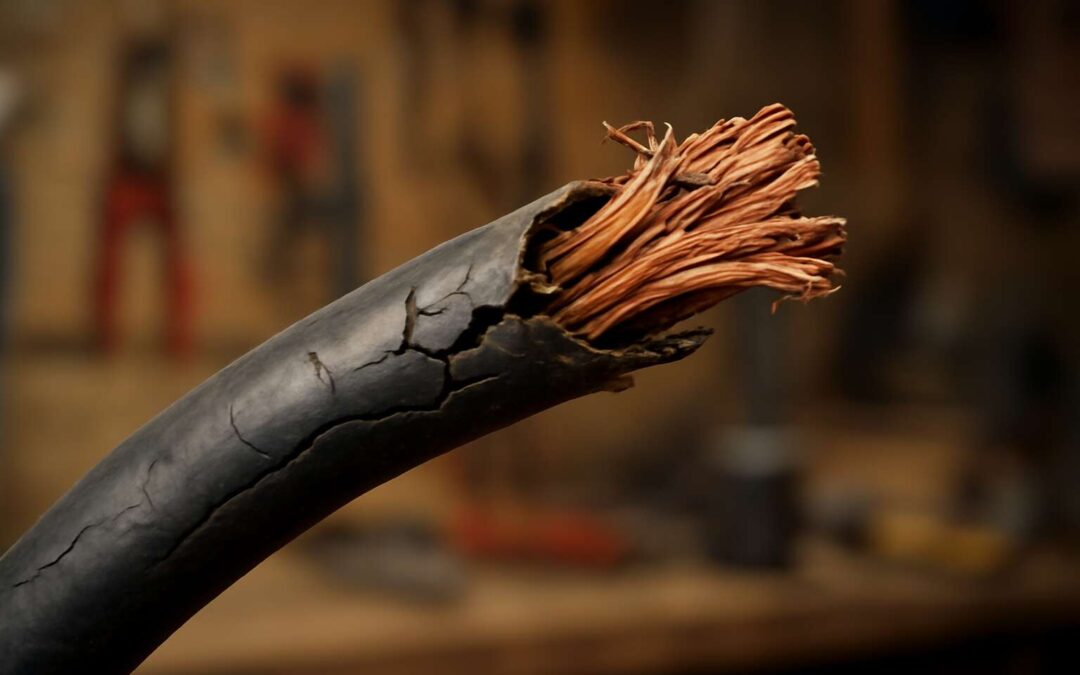
- Visible cracking or brittleness in the sheath
- Discolouration, softening, or melted patches on insulation
- Unusual warmth or buzzing near cables
Healthy insulation supports efficient power flow and minimizes the risk of faults that threaten life and property. When insulation deteriorates, heat and arcing loom, making every outlet a doorway to danger.
Common insulation materials used in electrical cables
Across South Africa, electrical faults linked to worn insulation quietly drain energy, costing households and businesses millions in wasted electricity and risk. Understanding cable insulation health matters because even tiny cracks let moisture and heat creep in, turning a quiet hum into a fault.
Common insulation materials used in electrical cables include:
- PVC (polyvinyl chloride)
- XLPE (cross-linked polyethylene)
- EPR/EPDM (ethylene propylene rubber)
- Silicone-based coatings
Healthy insulation supports efficient power flow and minimizes the risk of faults that threaten life and property. When insulation falters, heat and arcing hide in plain sight, so regular checks matter. That is why careful design and regular maintenance help prevent electrical cable insulation damage.
How insulation degradation occurs over time
In South Africa, up to 30% of electrical faults in commercial settings are traced to aging insulation, a startling crack in the system’s armor. Understanding cable insulation health matters because tiny cracks invite moisture and heat, turning a quiet hum into a fault. That electrical cable insulation damage often starts as a micro crack, invisible until heat and arcing reveal themselves.
Degradation unfolds over time through several forces.
- Thermal cycling and overheating
- Moisture ingress from humidity or drips
- Mechanical wear and vibration
- Chemical exposure from pollutants
Viewed together, these signs hint at a hidden erosion of performance that designers and operators must recognize.
Impact on safety, reliability, and performance
In South Africa, up to 30% of electrical faults in commercial settings trace to aging insulation—a quiet crack in the system’s armor that’s easy to overlook until it isn’t. Understanding cable health matters because tiny cracks invite moisture and heat, turning a soft hum into a fault. Left unchecked, electrical cable insulation damage can migrate from a nuisance to a safety nightmare.
Safety, reliability, and performance hinge on the health of this skin. Overheating, arcing, and unexpected trips spike when insulation loses its edge, threatening people and productivity.
- Visible wear or cracking on jackets
- Discoloration or dampness on the sheath
- Unexplained warmth near terminations or enclosures
A holistic view of insulation health helps facilities stay resilient in demanding environments, from workshops to high-rise offices across South Africa.
Causes and Indicators of Insulation Degradation
Mechanical wear and abrasion from flexing and routing
In South Africa, where power travels from grid to gadget with relentless tempo, every bend in a cable writes a chapter in its longevity; electrical cable insulation damage begins as a quiet sign, a result of daily flexing and routing that slowly erodes protection and trust.
Mechanical wear and abrasion from repeated bending at connectors, skirted conduits, and tight passages gnaws at the jacket. Heat cycles, vibration, and misrouting magnify microcracks, leaving inner layers vulnerable to moisture, oils, and contaminants that accelerate deterioration.
- Frayed or melted insulation at bends and terminations
- Shiny, hard spots where material has been compressed
- Cracking, blistering, or peeling along the jacket
- Occasional exposed conductors near joints
These indicators weave a somber tapestry of aging and risk, reminding us that resilience in electrical systems is built on attention to its subtle wear.
Thermal stress and overheating causes
South Africa’s heatwaves aren’t just weather—they’re a pressure test for electrical cable insulation damage. Thermal stress erupts when cables run hot, whether from overloads, poor cooling, or routing that traps warm air. Repeated heat cycles soften jackets, loosen polymer bonds, and invite microcracks to take up residence inside the insulation. In short, a scorching day can quietly shorten a cable’s lifespan.
Look for telltale indicators that heat is winning the war:
- Discolouration or shiny patches at bends and terminations
- Softening, blistering, or peeling of the jacket
- Unusual odors or a faint electrical hum in panels
These symptoms are neon signs of overheating and the gradual erosion of confidence in an installation. Thermal stress is a slow, relentless antagonist that quietly raises the risk of faults across South African facilities.
Chemical exposure and moisture effects
In many South African facilities, chemical exposure and moisture are the quiet saboteurs of insulation. Oils, solvents, and aggressive cleaners can seep into polymer jackets, causing plasticizer loss and embrittlement. Moisture ingress—common in humid storage or poorly sealed enclosures—dampens dielectric strength and speeds ageing, turning a routine bend into a potential fault line and, ultimately, electrical cable insulation damage.
These changes are early indications of electrical cable insulation damage.
- Cracking or crazing of the jacket at seals and joints
- Softening, swelling, or delamination near connectors
- Powdery residues, chalky deposits, or damp stains on conduits
- Unusual damp smells or a musty ambience near cable routes
Over time, these forces erode mechanical and dielectric properties. The result is creeping damage that undermines reliability and safety and demands attention from maintenance teams.
Aging and natural breakdown of insulating compounds
Aging is a patient, relentless factor in insulation degradation—a quiet predator in the shadows. Aging and natural breakdown of insulating compounds—driven by thermal-oxidative stress, hydrolysis in humid environments, and slow plasticizer migration—thin the protective barriers that keep circuits calm. Even in well-run facilities, these forces quietly reshape polymer chains, reducing dielectric strength and flexibility. The result is creeping electrical cable insulation damage that manifests long before overt faults appear.
- Progressive embrittlement and loss of elasticity, making cables stiff at bends
- Micro-cracking and surface craze that spread with repeated flexing
- Surface chalking or powdery residues from filler degradation and filler migration
As aging compounds break down, the boundary between routine wear and failure thins; early signs deserve scrutiny to avert unplanned outages and hazards, where electrical cable insulation damage becomes a reliability crisis.
Diagnostics and Early Warning Signs
Visual inspection and environmental clues
A hidden crack today means a blackout tomorrow. “A hidden crack today means a blackout tomorrow,” the old-timers say, and the truth lands hard. When the circuit hums go quiet, the danger is closer than it looks, tucked in ordinary warmth and wear.
Diagnostics rely on careful visual inspection and reading environmental clues. Look for heat-warped jackets, cracking or blistering at joints, and treat panels with respect—these telltale marks point to electrical cable insulation damage before a fault erupts. Different environments leave their fingerprints: dusty sheds, damp under roofs, or salty coastal air all hasten decay.
- Discoloration, bubbling, or melted-looking insulation on cable jackets
- Cracks, brittleness, or exposed conductors near terminations
- Warm spots or a lingering warm feel around enclosures
- Unusual smells, ozone-like or burnt-plastic notes
In rural South Africa, small environmental cues—a sudden draft, rain-driven moisture, or rodent activity—can accelerate unseen damage, reminding us to read the world with our hands and eyes as the seasons change.
Electrical testing methods for insulation health
“A hidden crack today means a blackout tomorrow,” the old hands tell me, and the truth lands hard. Diagnostics live in the margins—where contact points and jackets whisper their fatigue, waiting for the moment to betray us. The aim is to spot electrical cable insulation damage before harm arrives.
We lean on electrical testing methods that measure resistance, detect partial discharge, and scan for heat signatures—each a quiet confession from the system. The patient reader will notice that no single test holds all truths; together they reveal hidden weaknesses without unscrewing the world.
- Insulation resistance testing (often with a megohm meter)
- Partial discharge detection
- Infrared thermography and thermal imaging
- Dielectric strength and hipot testing (where safe and permitted)
For South Africa’s varied climates, these signals carry local weight—dust, humidity, and temperature swings can accelerate aging; a routine check becomes moral work as much as technical.
Non-destructive testing tools and techniques
“The quietest faults are the loudest failures,” a veteran supervisor reminds me, especially under South Africa’s furnace summers. Diagnostics creep into the margins where jackets whisper fatigue and contact points cough. The aim stays simple: spot trouble before harm arrives and keep the lights singing instead of sputtering.
Non-destructive tools watch for the first hints. Partial discharge detection, infrared thermography, and corona imaging read the system’s unspoken confessions without tearing walls apart. These signals can reveal electrical cable insulation damage long before a spark is seen.
Practical non-destructive approaches lean into sensing rather than striking. A few stalwarts include eddy-current scanning to find micro-cracks, acoustic emission monitoring for active insulation movement, and ultrasonic guided-wave analysis for routing wear. In SA’s dusty, humid climate, these tools are the quiet guardians of reliability.
- Eddy-current scanning
- Acoustic emission monitoring
- Ultrasonic guided-wave analysis
Safety considerations during inspections
“The quietest faults are the loudest failures.”—a veteran supervisor’s line that sticks when SA’s furnace heat pressurizes the day’s inspections. The aim is clear: spot early warning signs without inviting danger. Inspectors move with purpose, watching jackets, terminations, and routing for subtle clues that something is amiss. This level of vigilance helps prevent electrical cable insulation damage before a spark breaks the quiet.
Safety comes first, not as an afterthought but as the core of every assessment. In the field, isolation where feasible, proper permits, and quality PPE are non-negotiable. Core safeguards to keep teams intact while we assess wear and aging include:
- Permits to work and risk assessment as standard practice
- De-energization or proven isolation before examination
- Buddy system and clear communication channels
- Calibration and use of non-contact diagnostic tools to minimize exposure
Taken together, these measures help interpret temperature shifts, acoustic cues, and visuals as early alarms for electrical cable insulation damage.
Repair, Replacement, and Prevention Strategies
Repair options for damaged insulation and compromised jackets
Electric cable insulation damage can escalate quickly in South Africa’s heat and dust. Repair options for electrical cable insulation damage range from heat‑shrink sleeves to moisture‑blocking jackets. Quick fixes reduce risk, but require proper testing to confirm integrity.
If damage is extensive, replacement is safer.
- Sectional replacement using compatible insulation jackets and connectors.
- Full-length cable replacement when insulation damage is widespread.
- Use of fire-rated sleeves or heat-shrink systems that meet local standards.
Prevention is the best defense. Preventing electrical cable insulation damage hinges on proper routing, moisture control, and regular inspections. Consider these considerations:
- Regular checks for signs of heat or moisture in connections
- Proper routing to minimize heat exposure and abrasion
- Material choices rated for humidity and chemical exposure
- Protection of enclosures and appropriate conduit sizing
Guidelines for when to repair versus replace
In the fragile theatre of power, electrical cable insulation damage whispers of catastrophe just beyond sight. Repairing minor faults buys time, with heat‑shrink sleeves and moisture‑blocking jackets; testing afterwards confirms the pulse remains steady.
When the damage widens beyond a stitch in the fabric, replacement becomes the safer author of the future. Sectional replacement with compatible insulation jackets and connectors, or a full‑length swap, can restore reliability; fire‑rated sleeves help it endure and meet local standards.
- Repair is favored for shallow, isolated damage where the sheath remains sound and testing passes.
- Replace when damage is widespread, jacket breaches occur, or multiple conductors are compromised.
- Prevention: ensure proper routing, moisture control, and material choices to reduce recurrence.
Prevention is the best defense. Proper routing, moisture control, and regular inspections guard against electrical cable insulation damage, while materials rated for humidity and chemical exposure keep the shadows at bay.
Preventive maintenance practices for electrical cables
Repairing minor electrical cable insulation damage can keep a rural workshop humming. When the fault is shallow and the sheath is largely sound, a careful fix preserves continuity, buys time, and lets the system weather another season without inviting a larger crisis.
When damage runs deeper, replacement becomes the safer author of the future. Replacing with compatible insulation jackets and connectors—or a full-length swap—restores reliability and helps meet fire-rated standards under South Africa’s local codes.
Prevention is the quiet backbone of lasting performance. Preventive maintenance practices for electrical cables emphasise thoughtful routing, moisture control, and material choices that endure humidity and chemical exposure, so the shadows stay at bay.
- Environment-aware routing and support to minimize flex and abrasion
- Materials rated for humidity and chemical exposure
- Regular inspections aligned with seasonal changes
Selecting suitable insulation materials and accessories
In a workshop where humidity lingers like a damp shroud, electrical cable insulation damage can turn a quiet hum into a chilling echo. When the fault is shallow and the sheath remains sound, a careful repair preserves continuity and buys time. I’ve watched systems weather another season—and then the storm returns with a louder voice.
When damage runs deeper, replacement becomes the safer author of the future. Replacing with compatible insulation jackets and connectors—or a full-length swap—restores reliability and helps meet fire-rated standards under South Africa’s codes.
Prevention is the quiet backbone of lasting performance. Selecting suitable insulation materials and accessories shapes resilience against moisture, heat, and chemical onslaught. Consider these options:
- Humidity- and chemical-resistant jackets (PVC, XLPE, silicone) plus moisture barriers
- Heat-shrink sleeves and robust end seals for durable continuity
- Connectors and terminations rated for fire safety and local SA standards
Strategies for retrofitting to improve insulation performance
In a workshop where humidity clings like a damp shroud, electrical cable insulation damage can turn a quiet hum into a chilling echo. “Wear whispers; outages shout,” an old foreman likes to say, and the point lands with a clang. When damage is shallow, repair preserves continuity and buys time—and I’ve watched systems weather another season, only to hear the storm return louder.
As damage bites deeper, replacement becomes the safer author of the future, guiding choices toward compatible jackets and connectors, or a full-length replacement to restore reliability and align with fire-safety standards in South Africa.
Prevention is the quiet backbone of lasting performance. The retrofit mind-set should weigh materials and routing to foil moisture, heat, and chemical onslaught. Options include:
- Resilient jackets and moisture barriers that resist humidity and chemicals
- End seals and heat-shrink sleeves to maintain continuity
- Fire-rated connectors and terminations aligned with local standards