
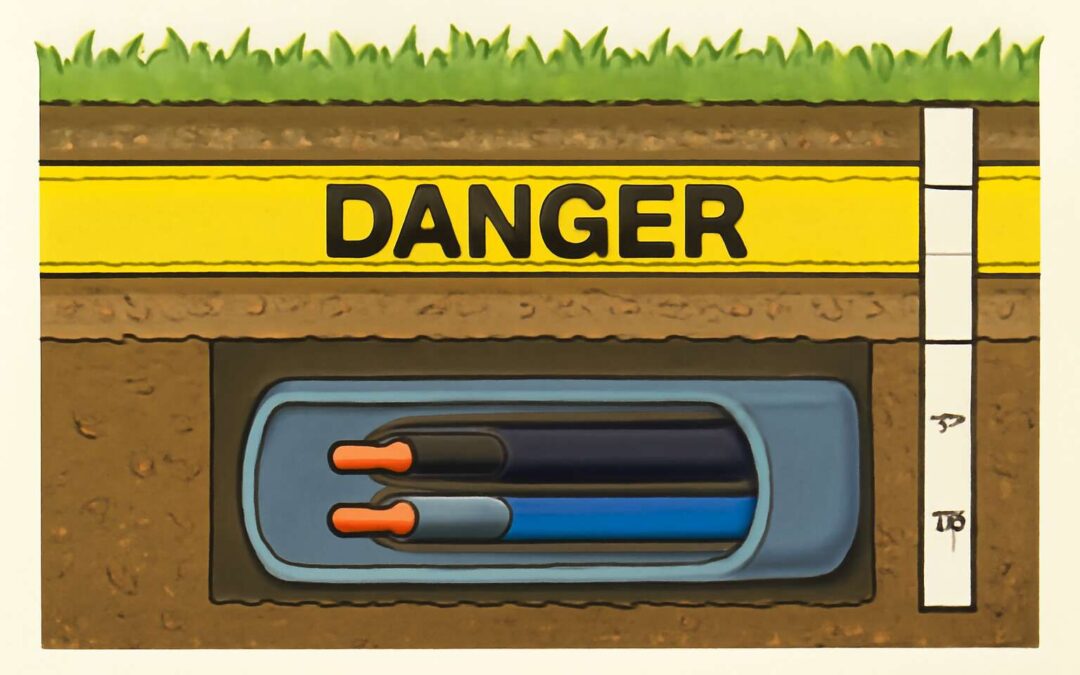
Understanding electrical cable underground depths
Key depth standards by region
An urban outage study revealed that roughly 40% of underground faults trace back to cables buried at inconsistent depths. Understanding electrical cable underground depths isn’t a dusty trivia question; it’s risk management wearing a safety vest. When plans meet soil, depth becomes a quiet actor in every trench—protecting properties, preventing outages, and sparing project teams the dreaded dig-and-dig-again cycle.
Key depth standards by region vary, but the logic remains: protection, accessibility, and resilience against soil whims.
- Urban residential: 450–600 mm
- Commercial: 600–900 mm
- Industrial or high-load: 900–1200 mm
South Africa’s landscape adds its own texture, balancing groundwater risk, sandy soils, and dense urban footprints. In practice, the buried depths you design around become a quiet compromise between safety margins and practical digs.
Factors influencing burial depth
In South Africa’s urban arteries, a misjudged burial depth can ripple into days of outages. Deeper burial shields cables from soil movement, moisture swings, and roots that crave a close encounter with power lines.
Several forces shape the final siting. Soil type, groundwater level, and compaction push depth needs one way, while planned maintenance and future upgrades pull in another. The balance of protection and accessibility guides every trench. The idea of electrical cable underground depths sits at this crossroads, steering designers to balance safety margins with project realities.
- Soil moisture and composition
- Projected load and fault risk
- Maintenance access and inspection windows
Depth is not a gimmick; it’s a contract with the ground—quiet, robust, and built to endure.
Safety, codes, and permits
South Africa’s urban arteries pulse with power—and depth is the quiet guardian. A single misread burial depth can unleash days of outages and stubborn repairs. The landscape beneath feet of soil hides surprises, from groundwater swings to unseen roots, so understanding electrical cable underground depths becomes more than a niche detail.
Safety, codes, and permits set the guardrails for every trench. Local authorities and the utility demand compliance with standards like SANS 10142-1 and applicable municipal bylaws before any digging begins.
- Local authority approvals
- Utility clearance and permits
- Documented inspections
When rules guide the trench, the ground becomes a partner rather than a foe. Respecting electrical cable underground depths yields reliable access, safer installations, and a smoother path for future upgrades.
Impact on service reliability
Power travels with quiet patience under our streets. A single misread burial depth can unleash days of outages and stubborn repairs—so the map beneath the pavement matters as much as the conduit itself. Understanding electrical cable underground depths isn’t drama for engineers alone; it’s the skeleton of service reliability. When these depths harmonize with soil, groundwater sways, and the urban mosaic of utilities, faults recede and continuity prevails.
In practice, a few quiet pillars support reliability:
- Documented alignment and accessible records to prevent misinterpretation
- Backfill that discourages settlement and moisture ingress
- Clear pathways for future upgrades without disturbing the cable matrix
Across South Africa’s cities, when depth is treated as a living part of the grid, the city breathes easier. Maintenance windows become predictable, outages become rarer, and the chorus of lights stays strong after every rain or root growth season.
Regional and international standards for underground cables
US NEC depth requirements
Underground networks are quietly converging beneath our cities, and the depth at which cables sleep governs resilience as much as current or capacity. The US NEC guides burial practice with regionally tuned depth requirements, depending on voltage, conduit use, and location—from sidewalks to roadways—so crews don’t wake the grid with a misstep. This regional nuance helps utilities dodge interference and weather the urban march of growth!
Regional and international references steer installation practice across borders.
- US NEC: depth by voltage and setting
- IEC family: protection and accessibility
- South Africa: SANS 10142-1 alignment with local rules
Within South Africa, municipalities tailor burial depths to soil and density, keeping electrical cable underground depths safe and reliable.
UK BS 7671 and European guidelines
Across Britain, Europe, and South Africa’s evolving gridwork, the hidden network is governed by standards that keep the night quiet and the streets humming. Safe, reliable burial hinges on precise planning—no step should wake an already patient system. The orchestration of safety and accessibility is embodied in UK BS 7671 and European guidelines, shaping how we approach electrical cable underground depths.
In practice, major regional interpretations include:
- UK BS 7671 emphasizes installation safety, protective measures, and accessible inspection for buried runs.
- European guidelines strive for cross-border consistency through harmonized EN standards and shared best practices.
IEC 60364 and international best practices
“The quiet networks hold the city together,” a veteran engineer once whispered, and IEC 60364 translates that whisper into a map for safe, enduring power. Across South Africa and beyond, regional and international standards govern electrical cable underground depths with a patient, ceremonial precision. This shared framework aligns insulation, clearances, fault protection, and accessibility, letting the buried grid endure storms and time without fanfare.
International best practices illuminate a universal path for risk-aware installation and meaningful documentation. The aim is to harmonize approaches, support cross-border cooperation, and preserve safety as urban grids expand. Considerations include:
- adequate soil conditions and environmental compatibility
- enforceable protection schemes and traceable records
- accessible inspection points and upgrade readiness
In this mythic modern world, the standards are not cages but a compass, guiding every trench toward reliability and quiet confidence.
Local amendments and permitting processes
Across South Africa, the buried grid is more than copper and clay—it’s a living policy in motion! Regional and international standards for underground cables set the tempo, balancing safety, practicality, and future upgrades. I’ve watched how these rules shape how deep lines lie, how they’re shielded, and how records travel from trench to transformer—especially when we consider electrical cable underground depths as part of a coherent soil-and-safety narrative.
Local amendments and permitting processes hinge on three pillars:
- tailored soil and environmental compatibility requirements
- traceable protection schemes and documented approvals
- clear inspection points and upgrade readiness
Regional and international standards often function as a compass rather than a cage: they steer projects toward reliability while allowing local nuance, keeping the lights on through storms and seasons.
Design considerations for underground cable depth
Cable type, insulation, and protective measures
For electrical cable underground depths, the design starts with a focus on cable type, insulation, and protective measures. The wrong mix can sap reliability and raise costs fast. “Depth makes or breaks service continuity,” an engineer notes.
- Conduit and ducting options for protection
- Insulation rating and moisture resistance tailored to soil and voltage
- Mechanical protection and thoughtful backfill concepts
These design levers matter in South Africa’s mixed soils and climate, where trench and cover realities intersect with maintenance needs.
Soil conditions and environmental factors
Under the South African skyline, the design of electrical cable underground depths becomes a quest of depth and durability. Depth is the quiet guardian of reliability. “Depth makes or breaks service continuity,” an engineer notes, and careful burial has slashed outage windows by up to 30% in key networks.
Soil conditions and environmental factors shape how a cable survives the long subterranean vigil. South Africa’s mixed soils and climate demand resilient backfill, controlled moisture exposure, and routing that avoids sharp rocks and moisture pockets.
Practical design levers include:
- Conduit and ducting options for moisture and damage protection
- Insulation ratings and moisture resistance tailored to soil and voltage
- Mechanical protection and backfill concepts that stabilize the trench
When these choices align with South Africa’s soil mosaic, service remains resilient and maintenance windows stay predictable.
Load forecasting and future-proofing
Across South Africa’s rapidly urbanizing landscapes, the depth at which cables lie becomes a quiet architect of service continuity. electrical cable underground depths—this phrase frames a core design puzzle: how to balance excavation costs, future demand, and protection against moisture and transients. Load forecasting, from mining corridors to expanding townships, pushes engineers to imagine tomorrow’s needs while keeping trenches practical today.
- Future load growth and peak demand alignment
- Reserved conduit capacity for upgrades
- Flexible routing to accommodate redevelopment
Design considerations for depth weave future-proofing into the trench fabric. Think spare ducts, modular conduits, and backfill that cushions settlement while moisture and soil movement are managed. These principles turn long-range forecasts into a durable underground network, where electrical cable underground depths become a dynamic system that absorbs growth without jolting the ground above. Light remains uninterrupted; communities stay connected!
Calculating burial depth and safety margins
Across South Africa’s expanding urban fabric, the trench is more than dirt—it’s a quiet conductor shaping service continuity! The phrase electrical cable underground depths acts as a compass, balancing excavation costs with future demand and protection against moisture and transients.
Calculating burial depth and safety margins begins with assessing cable type and voltage, then mapping soil conditions, water tables, and anticipated loads. A practical margin cushions settlement, seasonal moisture shifts, and redevelopments—keeping critical circuits buried deeper where needed while avoiding unnecessary trenching.
- Spare ducts and reserved conduit capacity for upgrades
- Modular, easily expandable conduits that accept new cables
- Backfill strategies that cushion settlement and manage moisture
A careful depth strategy links the long view of demand with trench reality, turning a trench into a durable backbone that keeps lights on and communities connected.
Temporary vs permanent installations
Depth is more than inches of soil—it’s a shield against moisture, loads, and the turning of seasons. In South Africa’s growing towns, the choice between temporary and permanent installations can determine whether a streetlight flickers on during a storm or stalls at dawn. The guiding line is electrical cable underground depths, tuned to balance risk, cost, and demand. I’ve seen grids shudder when depth choices are rushed!
Design considerations for temporary vs permanent installations hinge on accessibility, load duration, and redevelopments. Temporary schemes favor modularity and rapid reconfiguration, while permanent builds demand durable ducts, backfill, and long-life insulation.
- Flexible duct layouts that allow quick rework without heavy trenching
- Soil-stable backfill to limit settlement and water ingress
- Future-proof pockets inside ducts for added cables
Either path can be a quiet backbone, guiding lights through a changing city while keeping a margin of safety in the electrical cable underground depths.
Installation best practices for underground cables
Trench preparation, backfill, and protection
In South Africa’s expanding grid, one trench misstep can ripple through the network and the budget. When talking about installation best practices for underground cables, the emphasis is on stability, drainage, and alignment—factors that protect electrical cable underground depths from shifting soil and moisture.
Designing the trench and backfill with long-term behavior in mind means layered backfill and durable bedding to support the cable and minimize future movement. Protection isn’t an afterthought; it reduces abrasion and exposure to loads from above and nearby utilities.
- Stabilizing bedding and backfill material with soil-appropriate specifications
- Using conduit or protective coverings where needed
- Marking and documenting burial locations for future excavation
These choices uphold service reliability and make maintenance more predictable, a small but real difference in a country with variable soils and aging infrastructure.
Trenching methods vs boring and microtunneling
One bad trench can ripple through a neighbourhood, taking days to recover and weeks to budget! In the field, quiet soil tells a story; the rhythm of digging and laying informs the strength of the network that keeps lights on at dusk.
When considering installation best practices for underground cables, teams weigh trenching methods against boring and microtunneling. Trench work tends to be quicker and simpler, while boring methods minimise surface disruption and protect delicate underground layers—crucial for long-term installation resilience and the electrical cable underground depths.
- Trenching shines when soil is stable and shallow, enabling fast pull-throughs
- Boring reduces surface disturbance on roads and gardens, best for urban cores
- Microtunneling suits long, continuous runs with tight alignment and minimal risk
In South Africa’s varied soils, the choice shapes resilience and the story of every neighbourhood.
Cable laying, spacers, and bend radius
One misstep in bend radius can ripple through a city block. In South Africa, teams balance speed with protection, letting the grid hum softly at dusk.
Cable laying demands calm, not haste. Spacers keep conductors and insulation from crowding, while proper bend radii prevent kinking and heat buildup. Bedding and backfill cushion the cable and deter settlement, and all planning respects electrical cable underground depths to avoid conflicts with other utilities.
- Bedding and backfill quality that cushions the cable
- Spacers to maintain stable separation
- Respect bend radius and straight-line alignment
In varied soils, the right arrangement protects the network and sustains service across streets and suburbs.
Testing, marking, and documentation
In South Africa’s expanding cities, one quiet statistic frames every install: a single misread depth can ripple for blocks! When we test, mark, and document with vigilance, the grid holds steady as dusk settles. We know electrical work hinges on one constant truth: the depths deserve respect to avoid conflicts with existing ducts and pipes.
Testing, marking, and documentation form the triad of installation best practices.
- Testing: insulation, continuity, sheath.
- Marking: maps, codes, indicators.
- Documentation: depth logs, QA.
All measurements reference electrical cable underground depths to ensure alignment with the trench plan.
Coordination with utilities and permits
In South Africa’s expanding cities, a permit snag can stall progress for blocks. The art of installation rests on coordination with utilities and permits, a discipline that keeps work readable to everyone who shares the ground. Start with shared maps, confirm routes, and synchronize trench windows so downstream work remains seamless. Electrical projects hinge on one unyielding datum: electrical cable underground depths.
- Utility ownership and service maps provide foundational references
- Permits and municipal timelines are aligned
- Crossing points mapped against ducts and bore paths
- Approvals and line relocations are recorded
Let the conversation continue as the trench goes in, not after. A collaborative permit process paired with field checks keeps the trench plan in sync with the ground. When stakeholders review marks and data, the project breathes with confidence, where electrical cable underground depths align with reality to avoid clashes.
Maintenance, risk management, and modernization
Common failure modes related to burial depth
“Depth is not a detail—it’s a design decision,” a South African project manager often reminds colleagues! The choices around electrical cable underground depths shape decades of performance, affecting maintenance needs and risk as soils and moisture shift.
Maintenance hinges on predictable conditions below grade. Deeper burial can reduce moisture migration, heat buildup, and abrasion, yet it requires robust backfill and long-term monitoring of soil movements. In practice, missteps show up as common failure modes tied to burial depth:
- Water ingress and moisture migration
- Thermal cycling and hotspot formation
- Mechanical damage from digging and roots
- Ground movement and subsidence
Risk management and modernization focus on resilience, not excess. Document burial depths and soil history as components of risk awareness in South Africa. Modernization explores redundancy and remote monitoring to flag depth-related issues before they escalate, keeping the system resilient amid change.
Inspection schedules and reburial considerations
Maintenance hinges on predictable below-grade conditions; in South Africa, that predictability keeps rural lights on after storms. Deeper burial slows moisture migration, reduces heat buildup, and lessens abrasion, yet robust backfill and long-term soil monitoring are required. In varied soils, understanding electrical cable underground depths shapes maintenance decision and the way crews schedule patrols after storms and floods. The balance is durability without turning the ground into a guessing game.
Risk management and modernization lean toward resilience built on clear records. Document burial depths and soil history as standard practice in South Africa, shaping risk awareness across communities and utilities. Modernization adds redundancy and remote monitoring to surface depth-related issues before they become failures.
Inspection schedules and reburial considerations anchor long-term reliability. Ongoing oversight weighs soil moisture, drainage, and load shifts to keep lines stable as the ground breathes.
- Inspection schedules
- Reburial considerations
Soil movement, roots, and vibration impacts
Storms don’t just test cables; they test the soil that holds them. In rural South Africa, a single outage can ripple through a week of milking, market days, and generators, so the distance to bury becomes a lifeline. Depth isn’t a number alone—it’s memory between ground and grid, and I’ve learned to listen to the ground’s whispers.
Maintenance, risk management, and modernization all hinge on clear records of electrical cable underground depths and soil history. By watching moisture shifts, drainage, and load, crews anticipate movement before it strains the line. Modern upgrades bring redundancy and remote depth sensing that talks back to the ground.
- Soil movement and moisture changes
- Root intrusion and growth
- Vibration from traffic and equipment
When we honour the land, maintenance becomes predictable rather than guessing, and the promise of reliable service endures in every quiet fence line and household switch.
Lifecycle planning and upgrading older networks
Across rural South Africa, a single outage can ripple through a week of milking, markets, and generators—every fault mapped against the land. Maintenance, risk management, and modernization hinge on honest records of electrical cable underground depths and the soil history they rest within.
Lifecycle planning means embracing the upgrade path of older networks with gentle, data-led expansion. Remote depth sensing, smarter backfills, and modular redundancies become the compass for a resilient grid.
- Budgeting for phased upgrades that align with load growth
- Digitising depth records and maintenance histories
- Implementing remote monitoring to anticipate movement
With these elements, the network grows predictable, the land remains a steady partner, and service continuity becomes a practical promise rather than a hopeful wish.