
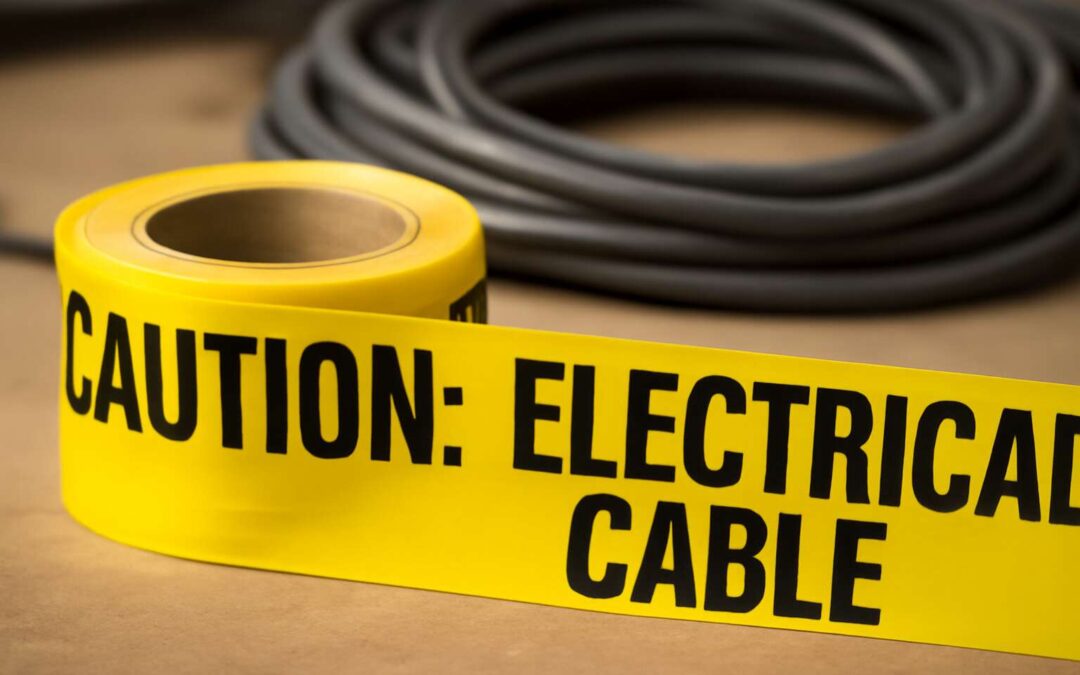
Understanding the role of cable warning tapes
What is cable warning tape and where it’s used
Beneath our feet lies a quiet guardian. A roll of electrical cable warning tape stands between buried cables and a costly dig-in, and in South Africa’s busy cityscapes, that line matters. “Visibility saves lives,” a safety veteran once said—this bright marker lives up to that truth with stubborn clarity.
What is electrical cable warning tape? It’s a high-visibility marker laid over or beside underground cables to signal diggers to pause. It endures sun, rain, and grit, protecting projects from costly interruptions. Typical placements include:
- Roadworks and municipal utilities
- Private property trenching and garden projects
- Meter pits, cable banks, and trench edges
It’s not decoration; it’s a practical precaution. The tape’s bold color and durable material make buried lines instantly recognizable, turning a potential hazard into a simple, respectful pause for the next step in a project.
Key standards and color codes for electrical safety
That bright stripe is more than decoration; it’s a lifeline—truly a stubborn beacon! In South Africa’s bustling urban trenches, electrical cable warning tape signals a pause before catastrophe. A digger’s wary glance can prevent a live-feed mishap, and the adage still rings: “Visibility saves lives.” It’s practical poetry in tape form.
Understanding the role of electrical cable warning tape means embracing standards that demand durability and legibility. Color codes deliver instant meaning: the electrical cue is typically a yellow backdrop with bold lettering; other services may use red or blue to differentiate hazards.
Key standards emphasize practical attributes:
- Durable, UV-resistant substrate
- Clear, high-contrast lettering
- Text appropriate for burying contexts
In South Africa, these cues align with site safety culture, urging caution and compliance on every trench.
Common materials and thickness levels
In a trench, a strip of tape is more than decoration; it is a stubborn sentinel. The role of electrical cable warning tape is to flag danger while remaining legible through sun and soil, turning potential mishaps into a moment of pause for safety.
Common materials and thickness levels balance durability with readability. Expect options such as a vinyl (PVC) base with UV stabilisers, UV-stabilised polyethylene film, and laminated foil blends for moisture resistance.
- PVC-based vinyl with UV stabilisers
- UV-stabilised polyethylene film
- Laminated foil blends for moisture resistance
Typical thickness ranges from about 0.20 mm to 0.40 mm, tuned to withstand South Africa’s outdoor trenches.
Together, the choice of material and thickness makes warning tape a cautious proclaimer rather than a mere label, ensuring legibility even as soil shifts.
How warning tape protects workers and infrastructure
Across South Africa’s trenches, a single strip of electrical cable warning tape acts as more than a marker. It quiets risk before it erupts, a sentinel hidden in soil and sun. A veteran foreman once whispered, safety is a conversation you win one strip at a time, and this tape keeps that dialogue alive, signaling buried lines and guiding crews away from danger.
- Visibility through soil and weather
- Immediate recognition of underground hazards
- Supports compliance with safety standards on site
With each layer of tape, the ground becomes a safer stage for every dig and weld. It protects workers and infrastructure by turning potential mishaps into moments of pause, ensuring access routes remain clear and utility routes intact, even as weather and movement shift the soil.
Choosing the right warning tape for electrical cables
Factors to consider: voltage, environment, and exposure
On a South African site, a single roll of electrical cable warning tape can turn a lurking hazard into quiet order! The scene is hushed, yet the stakes are loud—any misread ribbon can echo through a corridor of sparks and consequences.
Voltage doesn’t travel alone; it tests the tape as it travels along the line. Choose materials that endure the range you face, staying legible as hours drag on under heat, dust, or rain. Consider these factors:
- Voltage compatibility and marking durability
- Visibility under lighting and weather
- Chemical and abrasion resistance
Environment and exposure carve the tape’s fate: damp basements, dusty trenches, or sun-scorched yards all demand different resilience. The right choice threads safety, clarity, and the quiet dignity of a well-marked circuit through a world of industry.
Color and labeling conventions for clarity
In the workshop’s choreography, a single roll of electrical cable warning tape can tame chaos before lunch. Choosing the right tape isn’t theater about color; it’s a quiet agreement that danger will be read and respected. Legibility, resilience, and a touch of South African practicality guide the choice.
- High-contrast palettes and enduring ink to read from a distance.
- Consistent labeling blocks that stay legible in varied lighting.
- Durable printing that resists heat, dust, and rain for ongoing clarity.
Color and labeling conventions for clarity turn a utilitarian strip into a trusted signal.
Durability and weather resistance ratings
Across a buzzing South African workshop, a single roll of electrical cable warning tape becomes the quiet sentinel on a crowded job site! Choosing the right tape is not theater about color; it’s a pact that danger will be read and respected. When the tape endures sun and dust, crews move with confidence, knowing the line is legible long after lunch.
- UV stability and colorfastness to prevent fading in sunlight
- Adhesive resilience that sticks through heat and dust
- Water and rain resistance to keep legibility in damp conditions
Durability and weather resistance ratings govern the choice.
In measurement terms, the labels narrate the tape’s performance in heat, wind, and dust—essentials for South Africa’s varied climates.
Application methods and best practices
In a buzzing South African workshop, a single roll of electrical cable warning tape can quiet the room and grease the gears of progress. A striking stat sits in the back of my mind: when lines are unreadable, downtime grows; when they are legible, safety follows. The right choice isn’t about color alone—it’s about readability that survives sun, dust, and heavy use. When labels stay legible from dawn to late shift, crews move with confidence and a touch of measured awe.
Choosing the right electrical cable warning tape comes down to visibility, substrate compatibility, and exposure. Application methods in the field are less about theater and more about durability, ensuring the tape clings through heat, rain, and constant handling. Consider these factors:
- Contrast and readability under harsh light
- Adhesive compatibility with concrete, metal, and painted surfaces
- Durability against dust, moisture, and abrasion
Done well, this quiet sentinel guides crews and protects infrastructure without fanfare, a shadow of reliability across South Africa’s varied environments.
Compliance checks and certifications
In many South African sites, a single, well-chosen piece of equipment can save hours of back-and-forth. A pragmatic hook: 28% of project delays are traced to faded markings on cable lines. Choosing the right electrical cable warning tape sets a quiet standard across dawn shifts and late nights—readable, durable, and ready to weather sun and dust.
Compliance checks and certifications are your quiet allies. Look for SABS certification, evidence of IEC/EN standard alignment, and transparent factory test reports. These marks assure that the tape will stay legible and secure through shifts in the SA climate.
- SABS certification and performance tests
- IEC/EN standard alignment
- Independent lab test reports for UV, adhesion, and abrasion
When that paper trail is clear, crews move with confidence, and the system hums like a well-tuned engine. I’ve seen it—those small, unglamorous checks make the difference, steadying the work and quietly guarding people and infrastructure!
Application and installation guidelines
Surface preparation and adhesive performance
Application and installation guidelines for electrical cable warning tape demand careful precision. When laid properly, the tape speaks volumes on a noisy site—clear, visible, and durable—preventing misreads and guiding crews with unmistakable authority. Such discipline reduces delays and protects infrastructure.
Surface preparation and adhesive readiness are non-negotiable.
- Clean, dry substrate
- Prime porous surfaces
- Use specified adhesive and temperature range
Adhesive performance hinges on substrate condition, proper pressure, and a sensible cure window. In South Africa’s varied climate, avoid extremes that invite lifting and misalignment.
Tape placement around joints and conduits
On busy South African sites, a single strip of electrical cable warning tape can curb delays and misreads before they start. When wrapped around joints and conduits, the tape creates a continuous visual cue that travels with the workflow, guiding crews from trenching to equipment racks. It speaks in a steady, recognizable language—clear, durable, and always in sight, even in dusty, sunlit days.
Placement around joints and conduits should prioritize continuity: a single, uninterrupted band that travels with the project. The tape must hold its line as geometry shifts—bends, tees, and conversion points—without sacrificing readability. In practice, stakeholders value a result that remains legible through weather and traffic, conveying authority across the installation.
- Maintains legibility from multiple angles
- Complies with color and labeling conventions
- Accepts diverse substrates and conditions
Temporary vs. permanent marking solutions
On bustling South African sites, a single stripe of electrical cable warning tape can cut delays by up to 40% before they even begin. It speaks in a steady, visual language that travels with the project and steadies the pace.
Temporary vs permanent marking solutions each have a season. Temporary tape is swift and forgiving — quick to apply, easy to remove, and resilient against daily churn. Permanent marking, by contrast, embraces UV, abrasion, and long-term exposure, holding line through weather and traffic.
- Temporary marking: high-visibility, residue-free removal, fast deployment
- Permanent marking: rugged adhesive, weatherproof durability, extended service life
- Placement philosophy: a continuous band that travels with workflows
Surface prep and substrate patience matter. Readability across angles, consistent labeling, and a calm, unbroken line around bends save time and safeguard installs. The same principle applies to the consistent use of electrical cable warning tape across surfaces.
Curing times, removal, and reapplication considerations
Application and installation hinge on predictable curing, even on South Africa’s sun-burnished sites. A single hour of mistimed cure can stall pours and ripple into delays. When using electrical cable warning tape, respect curing times that reflect temperature, substrate and exposure.
Consider these key considerations during placement, removal, and potential repositioning:
- Curing times vary with ambient temperature and substrate dryness; observe manufacturer guidance where possible.
- Removal should aim to minimize residue and surface disturbance, using gentle techniques when practical.
- Reapplication benefits from a clean, dry surface and adhesive compatibility with the substrate.
Maintaining visibility through shifts in weather and site activity helps keep workflows steady! A careful approach to renewal supports continuity, safety, and accountability on busy South African worksites.
Maintenance, inspection, and lifecycle
Scheduling regular visual inspections
Maintenance is a quiet commitment to safety and reliability. Over time, electrical cable warning tape bears the scars of sun, moisture, and movement, and a steady eye keeps the system honest. Scheduling regular visual inspections helps catch peeling edges, fading print, or adhesive lift before trouble spreads—preserving the integrity of both workers and infrastructure.
- Peeling edges or lifted seams that expose substrate
- Moisture intrusion or staining beneath the tape
- Discoloration, cracking, or UV brittleness
- Loss of legibility or adhesive tack at joints
In a lifecycle view, the tape’s value evolves from initial installation to renewal. Outdoor or harsh environments accelerate aging, so organizations routinely weigh replacement against continued visibility. The ongoing story of electrical cable warning tape blends risk awareness with practical stewardship, keeping signaling clear and trustworthy for years to come.
Signs of wear and when to replace
Maintenance is a quiet vow that safety remains legible and trustworthy. In our experience, meticulous upkeep reduces incident response time and downtime. In South Africa, sites investing in regular checks report measurable improvements. The electrical cable warning tape deserves a patient, discerning eye: aging often hides beneath the surface, with subtle prints fading and seams loosening, remnants of sun and moisture courting trouble.
From installation to renewal, the tape earns its keep by staying visible in real-world conditions. Harsh outdoor environments accelerate aging, and renewal decisions balance visibility with disruption and cost. I favor a simple cadence: track age and exposure; watch for changes in condition; and let the signal guide renewal choices when clarity can no longer be guaranteed.
- Age and exposure audit
- Condition-based review
- Renewal action
Impact of UV exposure and chemical exposure
In the relentless South African sun, a strip of electrical cable warning tape does more than mark danger—it keeps people safe when it’s cared for. Studies from busy sites show that regular maintenance can reduce near-misses by as much as 30%. Maintenance is a quiet vow that safety remains legible and trustworthy, even under peeling paint and stubborn dust. The tape’s vitality depends on keeping its message bright and intact.
UV exposure and chemical contact are silent saboteurs. Fading prints blur warnings, plastic becomes brittle, and adhesive bonds loosen where heat and sun have reigned. Harsh solvents and workshop oils can soften or lift edges, inviting moisture to creep in. That means keeping an eye on your electrical cable warning tape for signs of UV fade or adhesive creep, and scheduling refresh when the message grows dim.
Documentation and record-keeping for safety audits
On every site, maintenance and lifecycle tracking keep safety honest. For electrical cable warning tape, upkeep isn’t cosmetic—it preserves legibility as paints peel and dust settles. Systematic controls make near-misses less likely and audits smoother in the harsh South African climate. It matters!
Regular inspections document the tape’s readability and adhesive integrity, forming a living record for safety audits. Documentation creates a trail of how the warning tape ages and what was done to refresh it.
- Inspection date and inspector
- Condition notes: fading or edge lift
- Actions taken and refresh timing
Ultimately, lifecycle records empower teams to plan replacements proactively, aligning maintenance with procurement cycles and compliance requirements for the warning tape.
Eco-friendly disposal and recycling options
Maintenance and lifecycle disciplines keep safety honest when the climate tests markings. For electrical cable warning tape, upkeep is not cosmetic; it preserves legibility as dust settles and paints peel on tough sites in South Africa.
Inspections document readability and edge wear, creating a durable trail for audits. A well-recorded lifecycle guides proactive replacements, aligns with procurement, and helps teams prevent a near-miss from becoming a headline.
Eco-conscious disposal and recycling options matter more than ever. When a roll ends its life, take-back programs, certified recycling, and local e-waste facilities help close the loop.
- Manufacturer take-back programs
- Certified plastic and laminate recycling
- Local e-waste facilities for road-marking materials
Lifecycle records join maintenance to compliance, smoothing procurement cycles and keeping safeguards aligned with South Africa’s environmental goals.
Industry use cases and regulatory context
Industrial environments and project types
Clear marks save lives: sites report up to 50% fewer near-misses after adopting clear cable markings with electrical cable warning tape! In industrial environments—from mines to chemical plants—accurate marking around buried or live cables prevents costly dig-ins and sparks. Key use cases include infrastructure upgrades, plant expansions, roadworks, and renewable-energy installations, where trenching and conduit runs are common.
Regulatory context keeps pace with the risk. South Africa’s Occupational Health and Safety Act and electrical installation standards require clear, durable identification of underground services; tapes must meet durability and color-code requirements set by SANS and the relevant regulations.
- Mining operations and mineral processing sites
- Manufacturing plants and chemical facilities
- Roadworks, utilities upgrades, and municipal projects
- Data centers and renewable-energy installations
Maintaining proper labeling aligns safety with productivity.
Regulatory requirements and standards overview
Across sprawling sites—from mines to major upgrades—clear marks tilt the odds toward safety. A striking stat surfaces in the field: projects with crisp cable markings report up to 50% fewer near-misses. The humble electrical cable warning tape acts as a steadfast sentinel around buried or live conductors, guiding trenching, conduit runs, and expansions in industrial environments where infrastructure upgrades, roadworks, and renewables installations demand precise, unambiguous identification.
Regulatory requirements in South Africa keep pace with the risk: the Occupational Health and Safety Act and electrical installation standards require durable, clearly identified underground services; electrical cable warning tape must comply with SANS color codes and durability criteria.
- OHS Act and Electrical Installation Regulations governing underground service identification
- SANS durability and color-coding standards for warning tapes
For South African projects—whether mining, manufacturing, municipal upgrades, or data centers—the blend of clear tape and regulatory alignment keeps teams productive and safe, turning compliance into dependable performance. Electrical cable warning tape stands as a quiet, essential partner in the field.
Case studies and real-world outcomes
Across South Africa’s demanding sites, crisp cable markings cut near-misses by up to 50%. The electrical cable warning tape acts as a steadfast sentinel around buried or live conductors, guiding trenching and conduit runs during upgrades in mining, manufacturing, and municipal projects.
- Mining operations: tape helps crews locate buried services quickly amid rugged terrain and shifting ore seams.
- Roadworks and municipal upgrades: clear labeling prevents accidental strikes as trenches open, extend, and close.
- Renewables installations and data centers: precise identification keeps cable routes safe during expansions and reorganizations.
In South Africa, OHS Act and Electrical Installation Regulations require durable, clearly identified underground services; electrical cable warning tape must align with SANS color codes and durability specs. Real-world outcomes include smoother safety audits and fewer service strikes on projects across mining, manufacturing, and urban renewal.
Procurement and supplier considerations
In bustling South African sites, clear markings shave hours off trench planning and cut safety incidents by up to 40%. Electrical cable warning tape serves as the quiet sentinel around underground and live lines, guiding trenching crews even when ore seams shift underfoot. For mining, roadworks, renewables, the tape is a decisive asset in maintaining route integrity and safety compliance.
Regulatory context matters: the OHS Act and Electrical Installation Regulations call for durable, clearly identified underground services and alignment with SANS color codes. Procurement teams weigh supplier credibility, material certifications, and traceable testing to ensure long-term performance of electrical cable warning tape.
- Certification and standards compliance
- Lead times, stock availability, and service guarantees
- Recycling options and end-of-life handling
Industry use and regulatory alignment smooth audits and support steady growth across South Africa’s rugged project landscape.
Future trends in warning tape technology
Trench timetables tighten when markings are crystal clear; a recent audit across SA sites reports up to a 40% drop in safety incidents thanks to decisive trench markings. In mining, roadworks, and renewables, electrical cable warning tape acts as a quiet sentinel, guiding crews as terrain shifts beneath.
Regulatory context matters: compliance with the OHS Act and Electrical Installation Regulations requires durable, clearly identified underground services, aligned with SANS color codes. Procurement teams look for credible suppliers, material certifications, and traceable testing to guarantee long-term performance of electrical cable warning tape.
Looking ahead, trends in warning tape technology promise smarter visibility and greener disposal. Think RFID tagging, tougher polymers, and recyclable packaging that weather SA’s sun and dust.
- RFID tagging and QR-based audits
- UV- and chemical-resistant polymers for harsh environments
Costs and budgeting tips
Across mining, roadworks, and renewable sites in South Africa, electrical cable warning tape acts as a guardian, guiding crews as terrain shifts. Industry use cases span trench boundaries and conduit routes, where crystal-clear markings reduce digging errors and underground strikes. Compliance under the OHS Act and Electrical Installation Regulations means tapes must be durable, clearly identified, and aligned with SANS color codes. Procurement teams seek credible suppliers, material certifications, and traceable testing to guarantee long-term performance. Audits across SA sites show up to a 40% drop in safety incidents thanks to decisive trench markings. Well-marked sites run safer and keep downtime to a minimum.
Budgeting for backbone isn’t glamorous, but it’s smart. Key cost drivers are certifications, UV/chemical resistance, and durability; plan for testing and lifecycle replacement. A procurement approach weighs total cost of ownership over price, favors packaging and recyclability. Notes include:
- Total cost of ownership
- Regulatory risk mitigation