
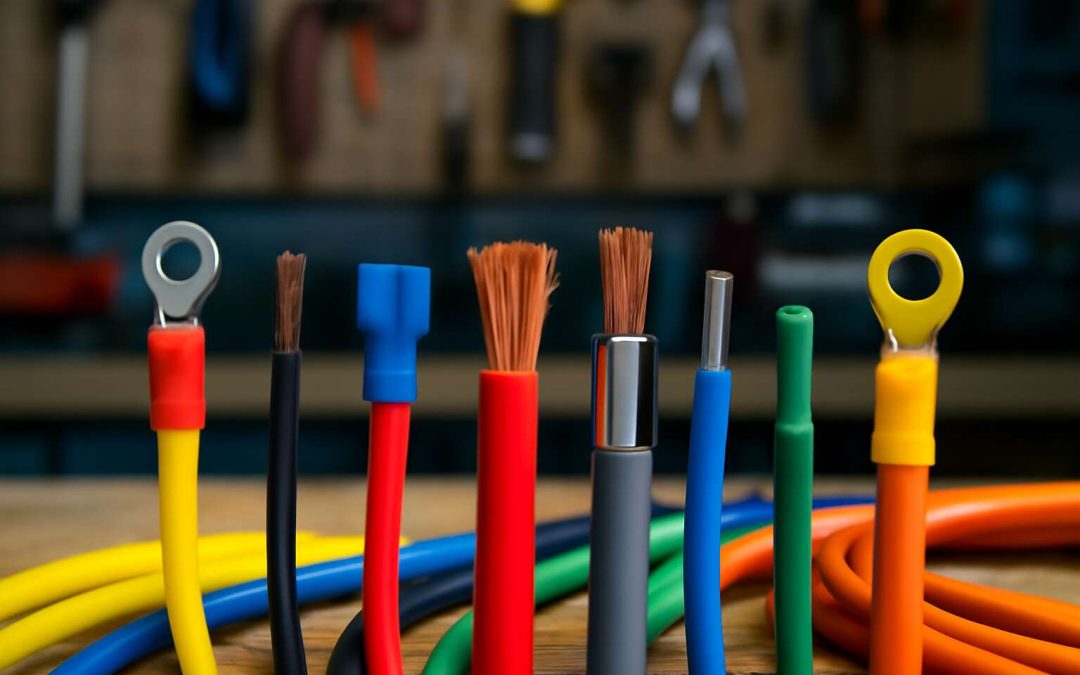
Understanding Electrical Cables
Types of Electrical Cables – Overview of common cable types (e.g., PVC, Twisted Pair, Coaxial, Armored) and their applications
Electrical cables are the arteries of modern infrastructure, silently powering the pulse of our daily lives. With a myriad of types designed to meet specific needs, understanding their distinctions is paramount. From the resilient strength of armored cables to the delicate precision of twisted pair, each type fulfills a unique role in the tapestry of electrical systems.
In South Africa, where rugged terrains and diverse environments challenge engineers and electricians alike, choosing the right cable is more than a mere technicality — it’s a strategic decision. PVC cables, for instance, offer excellent insulation for indoor applications, while coaxial cables seamlessly transmit high-frequency signals across vast distances. Armored cables, rugged and fortified, are indispensable in outdoor or underground installations, guarding against physical damage. Meanwhile, twisted pair cables form the backbone of telecommunications networks, their intricate braids reducing electromagnetic interference and ensuring clarity.
For those grappling with electrical cable questions, recognizing the applications and properties of these common cable types illuminates the path to safer, more efficient installations. When every strand counts, the right choice becomes a symphony of purpose and durability.
Components of Electrical Cables – Insulation, conductors, shielding, and jackets explained
Understanding the components of electrical cables is essential for anyone facing electrical cable questions. These elements work together to ensure safety, durability, and performance. At the core are the conductors, usually made of copper or aluminium, which carry the electrical current efficiently. Surrounding the conductor is the insulation, a vital layer that prevents electrical shocks and short circuits. In environments prone to interference, shielding—often made of metal foil or braided copper—comes into play to block electromagnetic interference, ensuring signal clarity.
The outer jacket or sheath protects the entire assembly from external damage. It withstands environmental factors like moisture, chemicals, and physical abrasion. Some cables also feature additional layers, such as armor or extra insulation, especially in rugged South African terrains where durability is paramount. When exploring electrical cable questions, understanding these components clarifies why certain cables are suited for specific applications and how they contribute to a safer, more reliable electrical system.
Differences Between Conductors and Cables – Clarifying terminology for better understanding
Electrical cable questions often stem from a common confusion: what exactly distinguishes a conductor from a cable? It’s a subtle nuance, yet one that can mean the difference between a safe installation and a costly mishap. A conductor, typically made of copper or aluminium, is simply the metal that carries the current. Think of it as the heart of the system—efficient, vital, but incomplete without its supporting cast.
Meanwhile, a cable is a complete assembly—a symphony of components designed for specific environments and applications. It includes the conductor, but also insulation, shielding, and an outer jacket, all working in concert. To clarify, consider this simple distinction: conductors are individual wires, while cables are the bundled, multi-layered products we see running through walls or beneath the ground. Understanding this difference is crucial when addressing electrical cable questions, especially in South Africa where terrain and environmental factors demand tailored solutions.
In essence, knowing whether you’re dealing with a conductor or a cable ensures you select the appropriate product for your project. After all, a conductor alone isn’t enough—what truly matters is how it’s integrated into the larger, protective, and durable cable assembly that keeps our electrical systems safe and efficient.
Electrical Cable Selection Criteria
How to Choose the Right Cable for Your Project – Factors like voltage, current, environment, and code compliance
Choosing the right electrical cable for your project is an exercise in balancing safety, efficiency, and longevity. In South Africa’s diverse environments—from the humid coastal regions to arid inland areas—understanding the subtle nuances of cable selection is crucial. An incorrect choice can lead to costly failures, safety hazards, or code violations that threaten both property and lives.
When faced with electrical cable questions, it’s vital to consider factors such as voltage, current capacity, and environmental conditions. Voltage determines the insulation thickness and type, while current capacity influences the gauge of the conductor needed. For outdoor or damp environments, additional protection like armored or UV-resistant cables becomes essential. Ensuring compliance with local electrical codes not only safeguards your project but also guarantees adherence to legal standards.
In essence, a meticulous approach to electrical cable selection—guided by comprehensive understanding of these criteria—can transform a simple installation into a resilient, safe, and efficient system. Remember, every detail counts, and the right cable choice is the backbone of enduring electrical infrastructure.
Cable Gauge and Size – Understanding AWG and its impact on performance and safety
In the realm of electrical cable questions, few factors are as pivotal as understanding cable gauge and size—elements that directly influence both performance and safety. The American Wire Gauge (AWG) system, though originating in North America, has become a universal language in assessing cable capacity, with a lower AWG number indicating a thicker conductor capable of handling higher currents. This nuance can be the difference between a resilient installation and a perilous failure.
Choosing the correct AWG is not merely a matter of convenience; it is an act of engineering precision. A cable that is too thin risks overheating and potential fire hazards, while an overly thick cable may unnecessarily inflate costs and complicate installation. Balancing these considerations requires a deep understanding of the expected electrical load and environmental conditions—factors that often generate the most electrical cable questions among professionals and DIY enthusiasts alike.
In South Africa’s diverse environments, from coastal humidity to inland dryness, the impact of cable gauge extends beyond mere current capacity. It influences the longevity of the entire electrical system, ensuring safety and compliance with local standards. Paying close attention to the interplay between AWG and application ensures that your project remains resilient, safe, and efficient. After all, every wire has a story—and the gauge is its silent narrator, guiding the flow of energy with meticulous precision.
Environmental Considerations – Indoor vs outdoor cables, moisture resistance, temperature tolerances
In the shadowed corridors of electrical installation, environmental considerations cast a long, often overlooked, shadow over cable selection. The choice between indoor and outdoor cables is not merely a matter of aesthetics—it’s a matter of survival. Outdoor cables must withstand South Africa’s capricious climate, from blistering sun to torrential rain, demanding moisture resistance and robust temperature tolerances. Indoor cables, less exposed, still require careful scrutiny to prevent decay and ensure safety.
Moisture resistance is paramount—water intrusion can turn a seemingly innocuous cable into a conduit of destruction. Similarly, temperature tolerances determine whether a cable endures the relentless heat of a Durban summer or the chill of a Johannesburg winter. When faced with these challenges, some professionals turn to electrical cable questions that delve into the specifics of weatherproofing and environmental durability.
To navigate this labyrinth, consider these crucial factors:
- Corrosion resistance for coastal regions where salty air accelerates deterioration.
- UV resistance for cables exposed to prolonged sunlight, preventing brittleness and cracking.
- Temperature ratings that align with the local climate, safeguarding the cable’s integrity over time.
Ultimately, the environment is a silent arbiter, whispering secrets that could make or break your installation’s resilience. Every cable’s story is shaped by its surroundings—knowing this is the key to mastering the dark art of electrical wiring in South Africa’s diverse landscape. When exploring electrical cable questions, understanding these environmental nuances becomes an essential part of the quest for safety and longevity—an unspoken promise woven into every strand of wire.
Installation and Safety Tips
Proper Cable Installation Techniques – Best practices for securing, routing, and connecting cables
When it comes to electrical cable questions, few topics evoke as much intrigue as proper installation and safety practices. An untrained eye might think that plugging in and routing cables is straightforward, but seasoned professionals know that meticulous technique safeguards both property and lives. Securing cables with appropriate clips and supports prevents sagging and accidental disconnections—an often overlooked detail that can cause headaches down the line.
Routing cables should be deliberate, avoiding sharp edges or areas prone to moisture. Elevating cables off the ground or securing them along walls not only enhances safety but also preserves their longevity. For those pondering the finer points of cable installation, consider this
- Ensure cables are not stretched too tightly, which can stress the conductors
- Avoid crossing high-traffic zones where accidental damage is more likely
Connections must be made with precision, using connectors that meet the local electrical standards. Overlooking proper connection techniques can turn a simple project into a hazardous situation. Remember, the devil is in the details—cable questions often emerge when corners are cut during installation. A thoughtful, safety-conscious approach ensures that the electrical infrastructure remains robust and compliant, ready to withstand the test of time and turbulence alike.
Common Installation Mistakes to Avoid – Overloading, improper grounding, exposed wiring
In the intricate dance of electrical wiring, even the smallest misstep can ripple into chaos. Overloading a circuit, for instance, isn’t just a minor oversight—it’s a veritable recipe for overheating and potential fires. Many homeowners and professionals alike stumble on this common pitfall, thinking that more power is always better. But the truth is, understanding the limits of your electrical cable questions is vital to maintaining a safe and reliable system.
Improper grounding is another sneaky mistake that often lurks behind seemingly innocent installations. Without proper grounding, the risk of electric shock and equipment damage skyrockets. Exposed wiring, meanwhile, remains one of the most hazardous issues—an open invitation for accidents, especially in busy or humid environments. Always ensure that connections are secure and protected, and that wiring is concealed or insulated appropriately.
- Overloading circuits beyond the cable’s capacity
- Neglecting proper grounding techniques
- Leaving wiring exposed in accessible areas
These common installation mistakes can turn a straightforward project into a nightmare. By remaining vigilant and informed about electrical cable questions, professionals and DIY enthusiasts alike can safeguard both property and lives, ensuring every connection is as safe as it is efficient.
Safety Precautions – Personal protective equipment, handling, and adhering to electrical codes
Safety in electrical cable questions transcends mere compliance; it’s the heartbeat of every secure installation. Personal protective equipment (PPE) is your first shield—think insulated gloves, safety glasses, and flame-resistant clothing—each piece a guardian against unforeseen sparks. Handling cables with care and patience reveals the artistry behind a flawless connection, ensuring every conductor and insulation layer performs its silent ballet without compromise.
Adhering to electrical codes isn’t just a legal formality—it’s a sacred covenant that preserves life and property. When working with electrical cables, always consult your local regulations and standards, which are designed to harmonize safety and functionality. For added assurance, consider these safety precautions:
- Ensure all circuits are de-energized before commencing work.
- Use insulated tools tailored for electrical work.
- Verify proper grounding techniques to prevent electric shocks.
Navigating the labyrinth of electrical cable questions demands vigilance and respect. With a careful approach rooted in safety and adherence to standards, every project can unfold like a symphony—balanced, precise, and secure.
Maintenance and Troubleshooting
Signs of Damaged or Faulty Cables – Insulation wear, corrosion, overheating
Electrical cables are the silent guardians of our modern lives, but even the most robust can fall prey to wear and tear over time. Recognizing the subtle signs of damage is crucial in preventing costly failures and ensuring safety. Among the most common issues are insulation wear, corrosion, and overheating—each revealing a story of neglect, environmental stress, or electrical overload. These problems don’t just threaten functionality; they pose serious safety hazards that demand immediate attention.
Insulation wear often manifests as visible cracks, brittleness, or frayed areas—clear indicators that the protective barrier is compromised. Corrosion, on the other hand, can be spotted as rust or discoloration, especially around connectors and exposed sections. Overheating may leave behind melted insulation or a burnt smell, signaling that the cable has been pushed beyond its capacity. To better understand these symptoms, consider the following:
- Frequent tripping of circuit breakers
- Unusual heat emanating from the cable or terminal points
- Discoloration or blistering of insulation materials
Addressing these issues swiftly not only extends the lifespan of electrical cables but also safeguards lives and property. Delving into the realm of electrical cable questions often uncovers the importance of regular inspections and proactive maintenance—key elements in the intricate dance of safe electrical infrastructure.
Testing Electrical Cables – Tools and methods like multimeters and cable testers
Maintaining electrical cables isn’t just about spotting visible damage; it’s also about understanding how to troubleshoot potential issues effectively. Using the right tools can make all the difference when diagnosing faults and ensuring safety. Multimeters, cable testers, and insulation resistance testers are essential instruments in the arsenal of anyone dealing with electrical cable questions. These devices allow for precise measurements of voltage, continuity, and insulation integrity, helping to identify hidden faults before they escalate.
For example, a multimeter can verify whether a cable is carrying current properly, while a cable tester can quickly check for continuity and detect wiring faults. Insulation resistance testers are particularly valuable for assessing the condition of cable insulation, revealing deterioration that isn’t visible to the naked eye. When conducting maintenance or troubleshooting, follow these steps:
- Power off and isolate the cable.
- Use a multimeter to check voltage levels and continuity.
- Apply an insulation resistance tester to evaluate insulation health.
- Inspect connections for corrosion or loose fittings.
Regular testing with these tools not only extends the lifespan of electrical cables but also safeguards against dangerous faults. Remember, understanding how to troubleshoot electrical cable questions is vital for maintaining a safe and reliable electrical infrastructure, especially in environments prone to environmental stress or heavy usage. Proper testing and proactive maintenance are the cornerstones of effective electrical management—no matter if you’re working on a small residential project or a large industrial setup.
Repair vs Replacement – When to fix and when to replace cables for safety and efficiency
Choosing between repair and replacement for electrical cables is a decision rooted in safety, cost-efficiency, and long-term reliability. Many overlook the subtle signs of deterioration—cracks in insulation, corrosion, or overheating—that can silently compromise an entire system. When faced with electrical cable questions, it’s essential to evaluate whether a simple repair can restore functionality or if replacing the cable is the only prudent path forward.
Repairs might seem tempting when damage appears minor, but they often become a false economy. A damaged cable, even if temporarily fixed, can pose serious safety risks or lead to costly downtime. On the other hand, replacing a cable—especially in cases of significant wear or environmental stress—ensures peace of mind and optimal performance. In environments prone to moisture, temperature fluctuations, or heavy usage, the choice to replace rather than repair is often the safer, more reliable route.
When considering repair vs replacement, ask yourself: Are there signs of extensive insulation degradation? Is corrosion affecting the conductors? If the answer is yes, replacement is likely the better option. Conversely, if the damage is superficial or localized, a professional repair might suffice. This nuanced approach to troubleshooting electrical cable questions underscores the importance of understanding the true condition of your cables before making a decision.
Remember, safety isn’t just a priority—it’s the foundation of every successful electrical installation. While repairs can provide a quick fix, they should never compromise the integrity of your system. Ultimately, knowing when to fix and when to replace cables can mean the difference between a reliable setup and one riddled with hidden hazards.
Regulations and Standards
Electrical Codes and Compliance – NEC, IEC standards, local regulations
In the labyrinthine world of electrical installation, understanding the labyrinth of regulations and standards is paramount. With South Africa’s stringent adherence to both local and international codes, navigating electrical cable questions becomes a nuanced endeavor—one that demands both precision and insight. The National Electrical Code (NEC) and IEC standards serve as foundational pillars, shaping the quality and safety of every cable laid within our borders. These codes do not merely dictate technical specifications; they embody a commitment to safety, efficiency, and environmental stewardship.
Compliance isn’t optional—it’s an absolute necessity, especially when considering the diverse environmental challenges faced in South Africa. Local regulations often incorporate specific mandates for moisture resistance, temperature tolerances, and outdoor durability. For those involved in electrical projects, it’s vital to recognize that adherence to these standards ensures not only legal compliance but also the longevity and reliability of the installation. As we explore various electrical cable questions, remember that understanding these standards transforms uncertainty into confidence, guiding every choice from cable selection to installation practices.
Labeling and Certification – Understanding markings and certifications for safety
When it comes to electrical cable questions, understanding the significance of labeling and certification is crucial for safety and compliance. Every cable that leaves the manufacturer bears markings that serve as a vital map—indicating standards met, voltage ratings, and environmental tolerances. These labels are more than just symbols; they are assurances that the cable adheres to rigorous safety protocols set by international bodies like the IEC and local South African regulations.
Certification markings, such as the CE mark or local SABS approval, validate that the cable has undergone thorough testing. Recognizing these symbols ensures that the cable is suitable for specific applications—be it indoor installation or outdoor durability in South Africa’s diverse climate. For those navigating complex electrical cable questions, these certifications are a beacon of confidence, guiding safer and more reliable choices in every project.
To streamline understanding, some cables feature a
- comprehensive printing of specifications
- manufacture date
- batch number
directly on the sheath. This transparency simplifies inspections and guarantees that your installation aligns with the highest safety standards, transforming uncertainty into assured compliance in every wire laid down.
Consequences of Using Non-compliant Cables – Safety hazards, legal issues, insurance concerns
Using non-compliant electrical cables is not just a matter of legality; it poses serious safety hazards that can have devastating consequences. When cables do not meet the necessary standards, the risk of electrical fires, short circuits, and equipment failure increases exponentially. In South Africa, where climate and environmental factors demand rigorous safety measures, the importance of adhering to local electrical regulations cannot be overstated.
Failing to use certified cables can also lead to legal issues, including fines or even the shutdown of construction projects. Insurance companies often scrutinize the quality and certification of cables used in installations. If an accident occurs and it’s found that non-compliant cables were employed, claims may be denied, leaving property owners exposed to costly liabilities.
To prevent such risks, always verify that your cables carry relevant standards markings like the IEC, SABS approval, or other recognized certifications. Remember, the consequences of neglecting these details extend beyond immediate safety concerns—compliance ensures peace of mind, legal protection, and the longevity of your electrical infrastructure.
Frequently Asked Questions About Electrical Cables
Are All Cables Suitable for Outdoor Use? – Differences and identifying appropriate cables
Electrical cable questions often stem from a simple but crucial concern: can all cables be used outdoors? The answer is a resounding no. Not every electrical cable is built to withstand South Africa’s diverse climate—ranging from scorching heat to heavy rains and humidity. Choosing the wrong cable for outdoor use can lead to dangerous failures, short circuits, or even fires. It’s essential to recognize that outdoor cables are specifically designed with features like moisture resistance, UV protection, and temperature tolerance.
For instance, cables that are not rated for outdoor environments may degrade quickly when exposed to the elements. When faced with electrical cable questions about outdoor suitability, look for specifications such as IP ratings or designation codes like “UV resistant” or “waterproof.” These indicators ensure your installation remains safe and compliant with local regulations. Remember, the right cable choice isn’t just about performance; it’s about protecting lives and property in unpredictable conditions.
How Long Do Electrical Cables Last? – Lifespan considerations and factors affecting durability
Electrical cable questions often revolve around durability and longevity—an essential concern in South Africa’s unpredictable climate. How long do electrical cables last? The lifespan of an electrical cable is influenced by a symphony of factors, from environmental conditions to the quality of installation. Typically, well-maintained cables can serve reliably for 20 to 30 years, but exposure to moisture, UV rays, and temperature fluctuations can significantly shorten this span.
Understanding what affects durability is crucial. Cables used outdoors must be rated for weather resistance, with features like UV protection and waterproofing. Conversely, indoor cables, shielded from the elements, tend to have a longer service life. When faced with electrical cable questions about longevity, consider the environment, usage patterns, and adherence to safety standards. After all, the investment in high-quality cable ensures safety and peace of mind in both residential and commercial settings.
Can I Upgrade My Home Wiring with New Cables? – Steps, precautions, and professional recommendations
Upgrading your home wiring with new electrical cables can seem daunting, but it’s often a necessary step toward safety and efficiency. Many homeowners in South Africa ask, “Can I upgrade my home wiring with new cables?” The answer is yes—yet, it requires careful planning and adherence to safety standards. The process begins with a thorough assessment of your current wiring system and understanding the specific electrical cable questions you might have. It’s crucial to consult a licensed electrician who can evaluate your needs and recommend the appropriate cable types.
Before proceeding, a professional will typically inspect your existing infrastructure and determine whether your electrical system can support new cables. They will also ensure that the upgrade complies with local electrical codes, such as the NEC or IEC standards. During installation, precautions like turning off the main power supply and wearing proper personal protective equipment are essential. Whether replacing aging cables or adding new circuits, choosing high-quality, weather-resistant cables that meet outdoor or indoor requirements ensures durability and safety. Remember, safety and compliance should always be the top priorities when addressing electrical cable questions about home upgrades in South Africa.