
Understanding the Basics of Joining Electrical Cable
What Does Joining Electrical Cable Involve
Can you join electrical cable safely? Yes, but it demands far more than twisting a few copper strands together. In South Africa, the SANS wiring regulations are clear about how and where splices may occur. A compliant joint must preserve electrical continuity, restore insulation, and retain mechanical strength that matches the original cable.
Keep these fundamentals in mind:
– Always use an approved junction box or splice kit.
– Match conductor material and gauge exactly, copper to copper.
– Leave every joint accessible for future inspection.
Every connection introduces resistance, and resistance produces heat under load. A careless splice will overheat, degrading insulation and creating fire risk. So the real question is not simply whether you can join electrical cable, but whether you understand the standards that keep that joint legal and dependable.
Key Safety Considerations Before Starting
Homeowners and DIY enthusiasts ask “can you join electrical cable” almost every day in South Africa, yet the answer depends entirely on the conditions you create before you ever touch a conductor. The technical ability to splice two wires together is universal. Whether that splice remains safe under continuous load, however, comes down to your preparation and respect for the local regulations.
Take the time to switch off the entire circuit at the distribution board and verify that it is dead with a proper voltage tester. A non-contact tester is convenient, but a two-pole tester gives you certainty. You also need to assess the existing cable’s condition. If the sheath is cracked or the copper shows signs of corrosion, you are looking at a replacement run rather than a splice, because joining flawed conductors only preserves the fault.
Before committing to the joint, check the following:
– Confirm the supply is isolated and locked out.
– Inspect the full visible length of cable for damage or overheating.
– Verify that the new connector is rated for the exact cable size and conductor material.
– Ensure the junction box is accessible and not buried in plaster or beneath flooring.
A splice that is inaccessible is illegal under the SANS regulations and a nightmare for any future fault tracing. You might be wondering whether a simple twist of wire and electrical tape is ever acceptable. It is not. The mechanical integrity of a joint comes from a proper screw terminal, crimp, or approved inline connector, not from friction. When you join this way, you protect the connection from the micro-vibrations and thermal expansion that gradually loosen a poor splice over time. So yes, can you join electrical cable? You can, but only when the cable is verified dead, the materials are matched, and the enclosure is compliant and reachable.
Methods for Joining Electrical Cable
Using Junction Boxes and Connectors
Every year, poorly made splices cause thousands of avoidable outages across South Africa. So can you join electrical cable? Absolutely, but the method determines its longevity. Junction boxes remain the gold standard for concealed branches. They contain the joint, protect against moisture, and allow future access. Inside, use screw connectors or spring-loaded terminals rated for the conductor size. Alternatively, inline connectors offer a compact solution for direct runs. Both methods demand proper stripping and secure tightening to prevent arcing.
To guarantee a durable connection, follow these ground rules:
- Choose a box with adequate IP rating
- Never bury a box inside a wall without a removable cover
- Match the connector to the wire gauge and strand count
- Verify each joint with a firm tug before closing the box
Yes, you can join electrical cable safely if you respect these constraints. A neat job is a safe job, so take your time and inspect every twist.
Soldering vs. Crimping Connections
The question of can you join electrical cable safely often comes down to the method of termination. While boxes and connectors hold the assembly, the internal bond between wire and terminal deserves attention. Soldering creates a strong molecular bond, but it can wick into the conductor and make it brittle under vibration. A poor solder joint, often a cold solder, is a hidden risk.
Crimping uses a calibrated die to compress the metal, forming a cold weld that is mechanically robust. It is faster and more repeatable if you use the correct tool. However, a loose crimp with the wrong die is just as dangerous as a bad solder joint. For most household wiring, use crimped ferrules or push-in connectors. For fine electronics, soldering remains standard. The answer to can you join electrical cable ultimately depends on the application, but never intermix the two methods on a single strand.
Twist-On Wire Connectors Explained
Twist-on wire connectors offer a straightforward answer to the question of can you join electrical cable. These devices use a threaded metal insert inside a conical plastic shell. You strip the conductors, place them together, and twist the connector clockwise until the threads bite into the copper.
Matching the connector size to the wire gauge matters. A connector rated for 18 to 14 AWG will not grip a 10 AWG cable. South African electricians often work with 1.5 mm² or 2.5 mm² conductors, so check the packaging first.
- Strip 12 mm to 16 mm of insulation.
- Hold the wires parallel and twist clockwise.
- Tug each wire to confirm the grip.
Twist-on connectors suit dry, indoor locations. They fail in vibration-prone or wet conditions. Use them only where the environment permits.
Using Terminal Blocks for Cable Joints
Terminal blocks offer a different route when you ask can you join electrical cable. A metal clamp sits inside a moulded plastic housing. You strip the conductor, insert it, and tighten a screw or close a spring. The result is a secure, inspectable joint that you can reopen without cutting the wire.
These blocks are common in South African junction boxes, especially for 1.5 mm² and 2.5 mm² wiring. They handle mixed gauges well, which twist-on connectors often struggle with.
- Screw terminal blocks use a clamp bar driven by a captive screw.
- Spring clamp blocks lock the wire with a lever or push action.
- Feed-through blocks connect two cables end to end in an enclosure.
The answer to can you join electrical cable with terminal blocks is yes, and the joint stays visible for later inspection. That visibility is a real advantage over hidden crimps or soldered splices.
When It Is and Isn’t Safe to Join Electrical Cable
Situations Where Joining Is Permissible
One question surfaces on almost every DIY electrical project: can you join electrical cable, or must you run a fresh line from the distribution board? The answer depends largely on where the joint will live.
Joining is permissible when the connection stays accessible for future inspection and maintenance. A joint concealed inside a wall cavity, floor void, or underground conduit carries hidden risk, since damage can develop without warning. South Africa’s SANS 10142-1 wiring regulations require every connection point to remain verifiable and repairable. A junction box with a removable lid passes muster, while a joint buried in insulation does not.
Permissible situations include:
- Extending a circuit to reach a newly added outlet
- Repairing a damaged section of cable in an accessible area
- Changing from one cable type to another at a designated point
Each scenario places the joint inside a properly rated enclosure, open to inspection. If you cannot reach the joint without breaking open a wall, the practice becomes unsafe and non-compliant. So, can you join electrical cable in an inaccessible spot? No.
When to Replace Rather Than Join
Electricity has a low tolerance for secrets. If you are asking “can you join electrical cable” while staring at a wall you just sealed, the answer is probably no. A joint hidden behind plasterboard or under a floor void is a gamble with someone else’s safety, usually the next person who drills into that wall.
Safe joints live in accessible junction boxes. Unsafe joints live in places you would need a demolition crew to reach. When in doubt, run a fresh cable from the distribution board. Replacing a damaged run costs more upfront but prevents a future where your insurance assessor uses words like “non-compliant” and “not covered.”
Replace rather than join when:
- The cable is damaged beyond the connector’s rated capacity
- The joint would sit in a damp or outdoor location without proper IP-rated protection
- The existing insulation has deteriorated to the point where another failure is likely soon after repair
So can you join electrical cable? Yes, if the joint remains visible, verifiable, and installed according to SANS 10142-1. But if the cable will be unreachable, replace it. Your future self, holding a drill and a torch, will thank you.
Signs of Cable Damage to Watch For
Safety depends on visibility. Can you join electrical cable safely? Yes, when the joint sits inside an accessible enclosure with proper strain relief. No, when the cable runs through a cavity you will never see again.
Watch for these signs of cable damage before you commit to a joint:
– Brittle or cracked insulation
– Discoloured copper wire
– A faint burning smell near sockets
– Intermittent tripping that worsens over time
Each symptom points to overheating or moisture ingress. Joining a cable in this condition is a temporary fix. The damaged section will fail again, possibly with more force than before. A joint applied to a healthy cable, in a visible location, remains sound engineering. When damage appears minor, the rest of the run may still be compromised. The true condition of a conductor only reveals itself once you strip it back.
Impact on Electrical Load and Performance
The decision to join a cable impacts its ability to carry current. Every connection introduces resistance, and that resistance converts electricity into heat. Under normal load, a properly made joint in an accessible enclosure performs adequately. But if the circuit runs near its maximum rating, the joint becomes a weak point. The performance of the cable changes; current flow is restricted, voltage drops slightly, and heat accumulates.
Can you join electrical cable safely on a high-load circuit? Only if you derate the cable and use a connection rated for the continuous current. Unsafe scenarios include hidden splices behind walls or underground,where heat cannot dissipate and damage goes unnoticed. Also avoid joining cables that supply sensitive equipment;a poor connection causes flickering or voltage fluctuations. Judge each joint by the load it will bear and the environment it will live in.
Tools and Materials Needed for Cable Joining
Essential Tools for Cable Joining
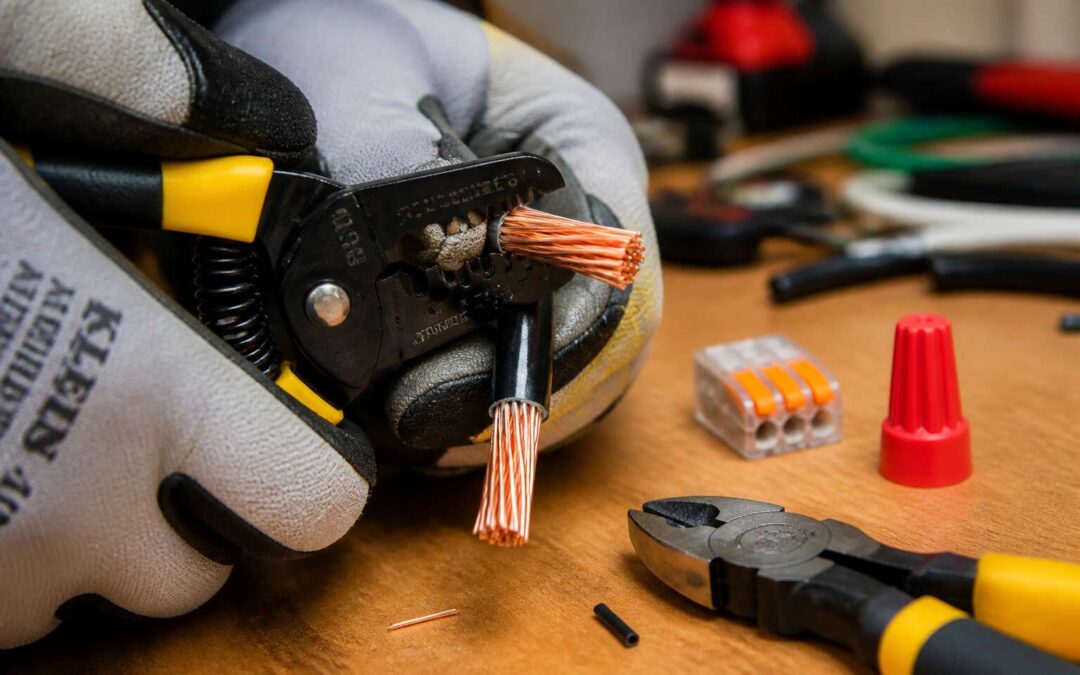
Ask can you join electrical cable before you assemble the correct implements, and you invite failure of a spectacular, quiet kind. Wire strippers, not a pocket blade, reveal the copper without nicking it. A verified voltage tester is non negotiable. Heat shrink tubing and self-amalgamating tape defend against Cape Town’s persistent damp. A sheathing knife and side cutters complete the armoury.
The materials themselves deserve scrutiny. Insist on SABS approved lugs. Cheap imports corrode swiftly.
– Wire strippers
– Voltage tester
– Heat shrink tubing
– Self-amalgamating tape
– Sheathing knife
– Side cutters
– SABS approved lugs
Test every implement before you begin. The cable will not forgive carelessness.
Choosing the Right Wire Connectors
So, can you join electrical cable? The materials you select matter as much as the tools. While the previous section covered the implements, this is about the consumables that carry current.
Copper lugs must be crimped with the correct die, never hammered flat. Solder and flux should match the conductor size. For connectors, the choice hinges on environment and load. A damp garage in Durban demands a waterproof gel-filled joint, while a dry ceiling void allows a simple screw terminal.
- Check the amp rating exceeds the circuit demand.
- Match the conductor material, copper to copper, aluminium to aluminium.
- Ensure the connector matches the wire type, stranded or solid.
The right connector answers the crucial question: can you join electrical cable safely. The joint’s integrity rests on that choice alone.
Insulation and Protective Materials
According to the Electrical Contractors Association of South Africa, faulty insulation is responsible for nearly 40% of domestic electrical fires. This is why the question, can you join electrical cable, only has a safe answer if you consider the protective layer as important as the conductive path. The bare copper is the heart of the joint, but the insulation is its skin, and without it, the entire system is exposed to moisture, dust, and accidental contact.
Heat-shrink tubing is the first line of defence, but you must select the correct diameter. A sleeve that is too wide never grips tightly. For outdoor joins, self-amalgamating silicone tape offers a waterproof barrier that standard PVC tape cannot match. When working inside a junction box, the enclosure itself becomes part of the insulation system, so it must remain intact and properly sealed. The materials you choose determine if you can join electrical cable without creating a hidden fault.
The process depends on the environment you are working in:
– Use gel-filled crimps for underground or wet installations.
– Apply heat-shrink with an adhesive lining for areas with high humidity.
– Install fibre sleeve for high-temperature zones, like near a geyser.
– Wrap with rubber tape followed by PVC tape for a flexible, rebuildable layer.
– Ensure all materials are rated for the voltage of the circuit.
A simple piece of tape might seem sufficient, but it degrades rapidly under ultraviolet light or within a wall cavity that experiences temperature swings. The insulation is what prevents a secure connection from becoming a hazard. So, when you ask yourself can you join electrical cable, remember that the protective materials are not an afterthought. They are the boundary between a working circuit and a potential tragedy. Buy quality from a reputable electrical wholesaler in your town, and your joint will outlast the appliance it serves.
Testing Your Connection After Joining
You can join electrical cable safely when you choose the right components. The insulation and protective materials matter more than the conductor itself. Heat-shrink tubing and self-amalgamating tape create a waterproof seal that prevents moisture from reaching the joint.
Gather tools like wire strippers, crimpers, and a heat gun. Select gel-filled crimps for underground or wet installations. For high humidity areas, apply adhesive-lined heat shrink. Always use materials rated for the voltage of your circuit.
After joining, test your connection before closing the junction box. Check for continuity and insulation resistance. A poor joint can cause overheating and fire. Proper testing ensures your work remains reliable for years.
Electrical Codes and Compliance for Cable Joints
Understanding Local Wiring Regulations
Local wiring regulations determine whether can you join electrical cable without raising an eyebrow from authorities. In South Africa, SANS 10142-1 governs most residential and commercial installations. Municipal inspectors and certified electricians reference this standard constantly. The regulations do not outright forbid cable joints, but they impose strict conditions on accessibility, enclosure, and conductor integrity.
Compliance typically involves:
- Approved junction boxes with rated IP protection
- Proper strain relief for every cable entry
- Colour-coded conductors that match national standards
Municipal inspectors treat can you join electrical cable as a matter of documented compliance. Failure to observe the listed details can invalidate an electrical certificate of compliance, which matters greatly when selling property here. I have seen beautifully crafted joints rejected solely because the box sat flush behind a plastered wall, creating future access problems. The rules exist to protect scrutiny later.
When to Call a Professional Electrician
The question of can you join electrical cable in South Africa is not answered by convenience but by the Wiring Code. SANS 10142-1 demands that every splice live inside an accessible, approved enclosure. A joint buried in a wall is a silent hazard, one that waits years before revealing its failure. Compliance is not decorative; it is the boundary between order and catastrophe.
When should you call a professional electrician? Consider these signals:
– The joint sits in a wet or outdoor area
– The cable carries a load near its rated capacity
– You lack a calibrated tester for insulation resistance
Each scenario carries legal weight. An unregistered handyman might save you money, but the certificate of compliance will expose the transgression later. Remember, can you join electrical cable legally? Yes, but only under the precise conditions the code prescribes. When doubt creeps in, the professional is your shelter.