
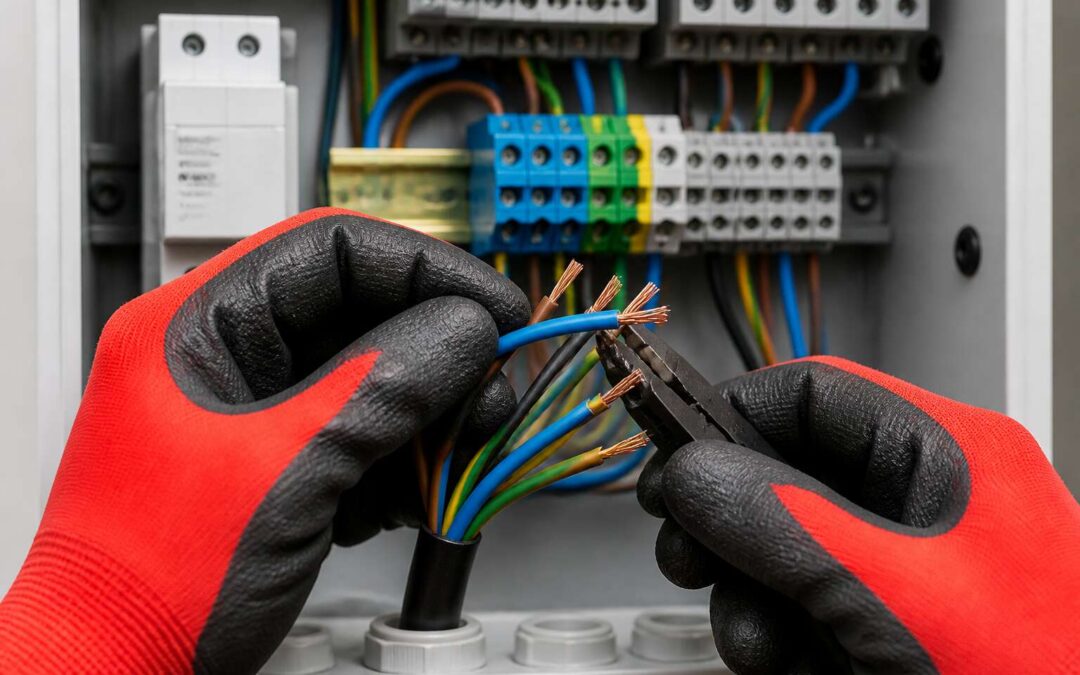
Understanding Cable Types and Applications
Over 70% of electrical failures trace back to improper cable selection. That statistic alone should make any installer pause. In South Africa, where load shedding tests every connection, choosing the right cable matters more than ever.
Electrical cable work demands attention to conductor material, insulation type, and environmental resistance. For instance, PVC cables suit dry indoor runs, but XLPE handles heat and moisture better.
- Copper conductors offer superior conductivity.
- Aluminium alternatives cut costs but need larger cross sections.
- Armoured cables protect against mechanical damage.
Each choice affects safety and longevity. The real skill lies in matching the cable to its context, beyond its current rating.
Planning and Preparing for Cable Installation
Every electrical cable work project lives or dies by planning. In South Africa, load shedding has made preparation a survival skill. A single missed conduit can derail an entire day on site.
Before pulling a single metre, study the route carefully. Look for damp patches, hidden water pipes, and other trades that might intersect your path. The cable’s rating depends on this scrutiny.
Several factors demand attention:
- the ambient temperature range
- the length of each unbroken draw
- the sharpness of every bend
Sketch the full run twice. Measure once, then measure again. This old habit saves me more headaches than any fancy tester ever will.
Step-by-Step Cable Installation Methods
A single faulty splice causes a third of domestic electrical fires in South Africa. That statistic stays with me on every job. Proper electrical cable work demands a methodical approach, especially when dealing with the humidity that rusts terminals and softens insulation.
Start by mapping the route and switching off the breaker. That small act saves lives! Then, running the cable requires a steady hand and the right tension. The process breaks down into distinct phases:
- Plan the cable path and measure twice.
- Cut the cable cleanly to avoid jagged edges.
- Strip insulation carefully, exposing the conductor without nicking it.
- Terminate connections with torque, not brute force.
Each step feeds into the next, and sloppy work here becomes expensive trouble later. The conduit often gets overlooked, yet its role remains essential.
Safety Practices and Compliance
Every year, faulty installations cause hundreds of avoidable fires across South Africa. That sobering fact underscores why electrical cable work demands more than technical skill; it requires vigilant safety practices and strict compliance.
Working with conductors means respecting both physical laws and legal frameworks. The Occupational Health and Safety Act governs every aspect of cable installation. I have watched experienced engineers double check isolation procedures because they know the stakes. Routine verification saves lives.
- Isolate the circuit before handling any cable.
- Use tools with certified insulation ratings.
- Test for absence of voltage, never assume.
Compliance is not a bureaucratic hurdle. It is a professional baseline. Each connection you make in electrical cable work carries ethical weight. Your diligence protects families and colleagues alike. That is a responsibility worth taking seriously.
Troubleshooting and Maintenance for Cable Systems
Thermal cycling is the quiet killer of many installations. Each time current flows, conductors heat up and expand, then cool and contract. Over months, this motion can loosen terminations that once felt rock solid. A connection that runs warm invites oxidation, and oxidation raises resistance. That resistance creates more heat. A slow, destructive loop. Regular thermographic surveys catch this heat before it becomes a failure, but most facilities only book them after something stops working.
Routine inspections need to be deliberate, not a quick visual pass. Look for discolouration on insulation, small burn marks near glands, or any smell of hot resin. Also, pay attention to the sounds. A subtle buzzing or crackling often points to a loose lug or a strained splice.
- Verify torque settings on all main lugs and breaker terminations once a year
- Test insulation resistance with a megger during planned shutdowns
- Check for moisture ingress in outdoor junction boxes and cable trays
South African conditions make this work essential. High UV exposure degrades cable jackets, and in coastal regions, salt-laden air attacks unplated copper. Even the internal wiring of control panels can suffer from corrosive dust in mining and industrial zones. If you wait for a fault to appear, you are already behind. The trick is to treat maintenance as a routine conversation with your system, not an emergency response. A proactive approach to electrical cable work protects your uptime and keeps your machinery humming.