
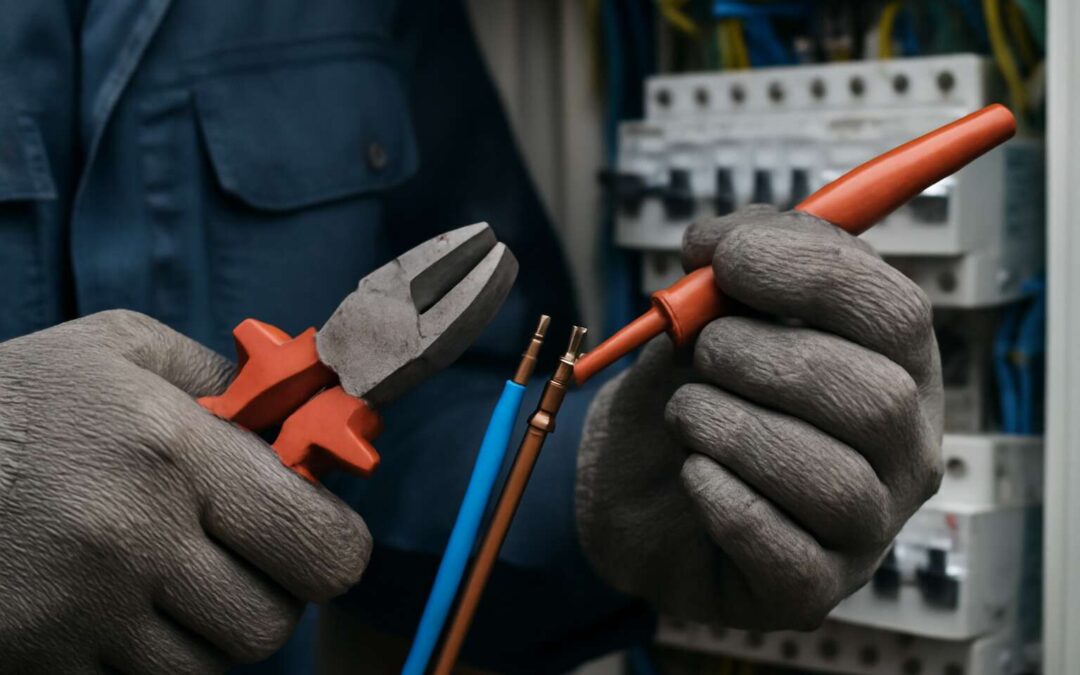
Understanding Electrical Cable Repair
The Importance of Proper Cable Maintenance
Electricity is the silent language of progress, yet beneath its luminous promise lies a delicate web of cables that demand our careful attention. Proper electrical cable repair is not merely a technical necessity but a safeguard of lives and livelihoods. When cables falter—whether due to wear, environmental factors, or unforeseen damage—the risks extend beyond inconvenience; they threaten safety and operational integrity. Ensuring optimal cable maintenance involves understanding that each wire is a conduit of trust, carrying vital power where it’s needed most.
Attention to detail in cable repair preserves the resilience of our infrastructure. Neglecting proper maintenance can cause minor faults to escalate into catastrophic failures. Recognizing the importance of timely electrical cable repair becomes more evident when considering the potential hazards involved. It’s a meticulous process that demands precision, patience, and a commitment to excellence.
- Regular inspections to identify wear and tear
- Prompt repair of minor damages before they escalate
- Utilizing high-quality materials for long-lasting fixes
Common Causes of Cable Damage
Electrical cable repair is crucial when dealing with the common causes of cable damage. In South Africa, harsh environmental conditions can accelerate cable deterioration. Exposure to extreme temperatures, moisture, and direct sunlight weakens insulation and conductors, making cables more vulnerable to faults. Additionally, mechanical stress from constant movement, heavy loads, or accidental impacts can cause internal breaks or abrasions. Faulty installation practices often lead to early failures, as improperly secured or overloaded cables strain the system. Over time, pests such as rodents may gnaw through cables, creating dangerous vulnerabilities. Recognizing these hazards is the first step in preventing costly electrical cable repair and maintaining safety. By understanding these causes, businesses and homeowners can better protect their electrical infrastructure from preventable damage, ensuring reliable power and safety for all.
Risks of Neglecting Repairs
Neglecting electrical cable repair isn’t just a gamble; it’s an invitation to chaos. Ignoring the telltale signs of wear and tear can turn a minor inconvenience into a full-blown disaster faster than you can say “short circuit.” In South Africa’s unpredictable climate, where sun, rain, and pests play a constant game of tug-of-war with your wiring, the stakes are even higher.
Over time, unaddressed cable faults can escalate into dangerous scenarios: electrical fires, power outages, or equipment failures that grind productivity to a halt. The risk isn’t just theoretical; it’s a very real threat lurking behind walls and under floors, waiting for the perfect storm of neglect. For businesses and homeowners alike, the message is clear—never underestimate the importance of timely electrical cable repair. Remember, a small crack in your cable’s armor today can become a catastrophic failure tomorrow. Protect your investments—and your safety—by paying close attention to the warning signs before it’s too late.
Types of Electrical Cables and Their Repair Needs
Indoor vs. Outdoor Cables
Understanding the different types of electrical cables is crucial when considering electrical cable repair, especially in South Africa’s diverse environments. Indoor cables, typically insulated with softer materials, are designed for controlled conditions. They are more susceptible to damage from pests or accidental impact, making timely repairs essential to prevent short circuits or fire hazards. Conversely, outdoor cables face harsher elements—exposure to sunlight, moisture, and temperature fluctuations—that accelerate wear and tear.
Outdoor cables often require specialized repair approaches to withstand the elements. For instance, armoured cables are common for outdoor applications because they offer robust protection against physical damage. When addressing outdoor cable repair, it’s vital to evaluate whether the cable’s insulation has deteriorated or if the protective sheath has been compromised. This assessment ensures the repair restores the cable’s integrity and safety, reducing the risk of electrical faults.
- Check for visible signs of damage such as cracks, fraying, or corrosion.
- Determine whether the cable is indoor or outdoor to select the appropriate repair method.
- Use the right tools and materials tailored for the environment—weatherproof connectors for outdoor repairs, for instance.
High-Voltage vs. Low-Voltage Cables
Within the shadowed corridors of power, the nature of the cables themselves dictates the dance of repair and resilience. High-voltage cables, with their menacing veins of electricity, demand a meticulous approach—every fracture or corrosion can unleash chaos if left unchecked. These cables often reside in hidden places, their repair necessitating specialized skills and equipment to prevent catastrophic failures. Their low-voltage counterparts, more common yet equally vital, serve as the veins of everyday life, carrying currents that power South Africa’s bustling cities and quiet homes alike.
Understanding the distinct needs of these two types of electrical cables is paramount. High-voltage repairs often involve complex procedures, including the replacement of insulators and the installation of robust connectors. Meanwhile, low-voltage cables, though less intimidating, require precise handling to avoid future faults.
- Cracks and fraying
- Corrosion and insulation breakdown
are common signs that call for expert electrical cable repair, regardless of voltage level. In the realm of repair, the difference between a minor fix and a disaster hinges on recognizing the subtle signs that lie beneath the surface.
Specialized Cables (e.g., Ethernet, Coaxial, Power Cables)
Electrical cables are the silent arteries of modern life, yet their diversity demands a nuanced approach to electrical cable repair. Specialized cables—such as Ethernet, coaxial, and power cables—each serve distinct roles that underpin the infrastructure of South Africa’s digital and electrical landscape. Unlike standard wiring, these cables often require tailored repair techniques that preserve their unique functionalities and shield against future faults.
Ethernet cables, for example, are crucial for establishing reliable internet connections. When damaged, even minor frays can lead to significant disruptions, demanding precise splicing and insulation. Coaxial cables, which carry cable TV signals, are sensitive to corrosion and insulation breakdown, necessitating meticulous repairs to restore optimal performance. Power cables, particularly those managing high currents, demand comprehensive assessment to prevent catastrophic failures during electrical cable repair.
- Internal shielding integrity
- Insulation quality
- Connector robustness
Understanding these subtle distinctions is vital for anyone undertaking electrical cable repair, as neglecting the specific needs of each type can lead to costly setbacks. Repairing specialized cables isn’t merely about patching the surface; it involves an intricate balance of technical skill and an understanding of the underlying materials that keep our modern world running smoothly. In this realm, the stakes are high, and the importance of expert intervention cannot be overstated.
Electrical Cable Repair Procedures
Inspecting and Diagnosing Cable Damage
Electrical cable repair is a meticulous process that demands patience and a keen eye for detail. When inspecting for cable damage, the first step is a thorough visual examination—look for signs of scorching, fraying, or corrosion. Often, damage isn’t immediately visible, so using specialized tools like insulation testers or thermal cameras can reveal hidden faults that threaten safety and functionality.
Diagnosing cable issues involves understanding how different types of damage manifest. For instance, internal conductor breaks might cause intermittent power loss, while insulation deterioration can lead to dangerous short circuits. To assist in the process, technicians often perform continuity tests or insulation resistance measurements, ensuring they identify the exact location and severity of the damage.
In some cases, an unordered list can clarify the common indicators of cable damage:
- Unusual buzzing or sparking sounds near the cable site
- Frequent tripping of circuit breakers
- Visible wear, cracks, or discoloration on the cable’s outer sheath
- Overheating cables during operation
By carefully inspecting and diagnosing the cable damage, professionals can determine whether a simple repair or complete replacement is necessary, ensuring the safety and reliability of electrical systems in rural South Africa. Proper diagnosis is the foundation of effective electrical cable repair, preventing future hazards and costly outages.
Tools and Equipment for Cable Repair
Effective electrical cable repair hinges not just on identifying damage, but also on employing the right tools and equipment for a seamless fix. Quality repair begins with precision instruments that ensure safety and accuracy, especially when working with high-voltage or outdoor cables where hazards are more pronounced. The foundation of any successful electrical cable repair project is a comprehensive toolkit that includes insulated screwdrivers, wire strippers, and crimping tools. These enable technicians to handle cables delicately while maintaining safety standards.
In addition, specialized diagnostic tools are indispensable. Insulation resistance testers help measure the integrity of the cable’s insulation, while thermal cameras can visually detect hotspots indicating internal faults. For more complex repairs, cable splicing kits and connectors are essential to restore the cable’s conductivity and insulation seamlessly. To streamline the process, some professionals also utilize cable locators and continuity testers, which precisely pinpoint the damage location without unnecessary disruption.
- Insulation testers
- Thermal imaging cameras
- Cable splicing kits
- Wire strippers and crimpers
- Cable locators and continuity testers
Investing in high-quality tools and equipment is more than a matter of convenience; it’s a crucial aspect of ensuring long-term safety and durability in electrical cable repair. When every component is handled with care using the correct technology, the risk of future faults diminishes, and the integrity of the electrical system is preserved for years to come. This meticulous approach to repair underscores a fundamental truth: robust electrical systems are built on precision, patience, and the right tools.
Step-by-Step Repair Techniques
Electrical cable repair is a meticulous process that demands both precision and patience. When a fault disrupts the flow of electricity, swift and effective repair techniques can prevent costly outages and hazardous situations. The key is to follow a systematic approach that ensures safety while restoring functionality. First, isolating the affected cable section is crucial to eliminate any risk of electric shock. Once de-energized, inspecting the damage with thermal imaging cameras can reveal hidden hotspots and internal faults that aren’t immediately visible.
Next, using cable locators and continuity testers helps pinpoint the exact location of the damage, reducing unnecessary disruption. For repairs involving splicing, cable splicing kits and connectors come into play—they allow for a seamless reconnection that preserves the cable’s integrity. Carefully stripping insulation with high-quality wire strippers, then crimping connectors securely, ensures a durable fix. These steps form the backbone of effective electrical cable repair, safeguarding the system’s longevity and operational safety.
When to Replace vs. When to Repair
When faced with damaged electrical cables, the question often arises: should you repair or replace? The decision hinges on several critical factors that go beyond mere appearance. An intricate web of safety, cost, and long-term reliability weaves the answer.
In cases of minor damage—such as superficial cuts or small cracks—electrical cable repair can be a practical solution. These repairs, when executed with precision, can restore functionality without the need for costly replacement. However, if the damage penetrates deep into the insulation or exposes the conductor, replacement often becomes the wisest choice. Internal faults or extensive wear jeopardize safety and system integrity, making repair a temporary fix rather than a sustainable solution.
Consider this: repairs are suitable when the damage is isolated and the cable’s core structure remains intact. Conversely, when corrosion, severe burns, or extensive physical trauma are evident, replacing the cable ensures safety and operational longevity. In the realm of electrical cable repair, knowing when to repair and when to replace is the difference between a quick fix and a lasting solution.
DIY Electrical Cable Repair Tips
Safety Precautions Before Starting
Electrical cable repair is not a task to be taken lightly. Safety should always come first. According to industry standards, nearly 60% of electrical accidents stem from improper handling or neglecting safety precautions during repairs. Before you pick up your tools, ensure you have a clear understanding of potential hazards.
Start by disconnecting the power source completely. Never attempt electrical cable repair while the circuit is live. Use insulated tools and wear protective gear like gloves and safety glasses. Remember, a small oversight can lead to severe injuries or further damage to the cable.
For those new to electrical cable repair, it’s helpful to follow a simple safety checklist:
- Turn off the main power supply.
- Verify the circuit is de-energized with a voltage tester.
- Keep a fire extinguisher nearby, rated for electrical fires.
Always prioritize safety to ensure your repair work is both effective and secure. Proper precautions reduce risks and help maintain the integrity of your electrical system.
Essential Tools for DIY Repairs
In the shadowed corridors of electrical repair, where unseen currents pulse beneath the surface, the right tools can turn a dangerous endeavor into a manageable task. For DIY electrical cable repair, having an arsenal of essential tools is paramount. A quality voltage tester, insulated pliers, wire strippers, and a sturdy multimeter form the backbone of any successful repair mission. These instruments serve as the vigilant guardians, revealing hidden faults and ensuring the currents are tamed before contact is made.
Equipping yourself with the proper gear not only safeguards your mortal coil but also preserves the integrity of your electrical system. Remember, the darkness of a fault can lurk where you least expect—so meticulous preparation is your only shield. When it comes to electrical cable repair, preparation is the key to unlocking both safety and success in the murky realm of electrical hazards.
Common DIY Repair Methods
In the quiet drama of electrical cable repair, where unseen currents dance like restless spirits beneath the surface, mastery lies not only in knowing but in doing. The common methods for DIY electrical cable repair are as much an art as they are a science, requiring patience and precision. Often, a simple splice or a carefully soldered joint can restore harmony to a compromised cable, but only when executed with deliberate care.
For those daring to venture into this shadowed realm, understanding the nuances of cable insulation and connector integrity is paramount. An effective repair might involve stripping damaged insulation with a sharp, well-maintained wire stripper, then twisting and securing the conductors before sealing the joint with heat-shrink tubing or specialized connectors. Sometimes, the solution is as straightforward as replacing a section of cable, which can be approached systematically:
- Locate the fault precisely using a multimeter or voltage tester.
- Cut out the damaged segment cleanly, ensuring no frayed or compromised wire remains.
- Prepare the new cable segment, stripping insulation carefully to avoid damaging the conductor.
- Connect and secure the new section using insulated crimp connectors or soldering, then insulate thoroughly.
In the intricate dance of electrical cable repair, patience and attention to detail transform a perilous task into a triumph of safety and functionality. Remember, every cable has a story, and with the right approach, you can ensure it continues to serve faithfully under the South African sun and rain alike!
Warnings and When to Call Professionals
Electrical cable repair, though seemingly straightforward, demands a delicate balance between confidence and caution. The allure of a quick fix can tempt even seasoned DIY enthusiasts, but the risks lurking behind careless repairs are not to be underestimated. Faulty repairs can escalate into dangerous faults, risking personal safety and damaging costly appliances. In South Africa’s diverse climate, the resilience of every electrical cable repair hinges on meticulous attention to detail and understanding your limits.
When considering DIY electrical cable repair, always remember that safety is paramount. If you encounter frayed wires, cracked insulation, or unexplained power failures, it’s tempting to intervene. However, if the damage is extensive or concealed within walls, it’s wise to recognize the warning signs that signal the need for professional intervention. Here are key indicators that your electrical cable repair should be left to the experts:
- The damage involves high-voltage or underground cables, where risks are exponentially greater.
- There is persistent overheating or sparking after attempted repairs.
- The damage is located in inaccessible or complex wiring systems.
Attempting to bypass these hazards can lead to catastrophic consequences, including electrical fires or electrocution. Remember, expertise and specialized equipment are often required to restore the integrity of critical cable systems safely. When in doubt, consulting qualified electricians ensures that your electrical cable repair not only restores functionality but also preserves safety for you and your loved ones.
Professional Electrical Cable Repair Services
Benefits of Hiring Licensed Electricians
Entrusting your electrical cable repair needs to licensed electricians isn’t just about compliance; it’s a safeguard for your property and your peace of mind. Skilled professionals bring a depth of expertise that ensures every repair is performed with precision, reducing the risk of future faults. Their thorough understanding of electrical systems allows them to diagnose issues that might elude the untrained eye, preventing minor problems from escalating into costly emergencies.
Moreover, licensed electricians adhere strictly to safety standards, which is paramount when dealing with complex electrical cable repair. They utilize specialized tools and high-grade materials, ensuring durability and longevity in every repair. By choosing qualified technicians, you also benefit from their ability to work efficiently, often completing repairs faster than DIY methods could achieve—saving both time and potential hazards.
In the realm of electrical cable repair, the value of experience cannot be overstated. Their knowledge spans from simple fixes to complex cable infrastructure, providing reassurance that your electrical systems are in capable hands. For anyone serious about the safety and reliability of their electrical network, investing in licensed electricians is a decision that pays dividends in safety, efficiency, and peace of mind.
What to Expect from Professional Repairs
When entrusting your property to the hands of professional electrical cable repair services, you step into a realm where precision and expertise reign supreme. These specialists don’t just fix wires—they weave a tapestry of safety and reliability that shields your home or business from unseen dangers lurking in the shadows of faulty cables. Expect a seamless process where every repair is executed with meticulous care, ensuring the longevity and optimal performance of your electrical system.
From thorough diagnostics to the final connection, professional electrical cable repair services are characterized by their attention to detail. You can anticipate clear communication about the scope of work, the use of high-grade materials, and adherence to safety standards that surpass industry norms. Often, they employ advanced tools and techniques to identify hidden damage or wear, which might escape the notice of untrained eyes—saving you from costly future repairs.
In addition, professional repair services often follow a systematic approach that includes:
- Assessing the extent of damage
- Isolating the faulty section
- Executing precise repairs or replacements
- Testing to ensure optimal conductivity and safety
This structured process guarantees that your electrical cable repair is not only effective but also durable, giving peace of mind that your electrical network is resilient against future faults. With experienced technicians, you can rest assured your cables are in capable hands, ensuring safety and efficiency for years to come.
Cost Considerations
Electrical cable repair costs can vary dramatically depending on the scope and complexity of the issue. While some minor repairs might be budget-friendly, more extensive damage—especially in commercial or outdoor environments—can push the price upward. It’s essential to consider the value of investing in high-quality repair services that prioritize safety and durability. Cutting corners might save you money now, but faulty repairs can lead to costly future repairs or dangerous electrical faults.
Factors influencing the cost include the type of cable, the extent of damage, and whether the repair requires specialized tools or techniques. Professional electrical cable repair services often provide detailed quotes after a thorough assessment, ensuring transparency. Remember, choosing experienced technicians with a reputation for precision can be a game-changer—saving you money and headache in the long run. After all, a well-executed repair isn’t just about fixing wires; it’s about safeguarding everything connected to your electrical system.
How to Choose a Reliable Repair Service
When it comes to electrical cable repair, selecting a reliable service provider is paramount. A professional repair company not only ensures your safety but also guarantees a durable fix that minimizes future disruptions. Trusting amateurs or opting for quick fixes can lead to costly consequences down the line, especially in environments where electrical safety is non-negotiable.
To find a dependable electrical cable repair service, consider their experience, reputation, and adherence to safety standards. Look for companies that offer detailed assessments and transparent quotes—this demonstrates professionalism and a commitment to quality. Remember, a well-executed repair isn’t just about fixing wires; it’s about safeguarding your entire electrical system, which is why choosing skilled technicians is essential.
Preventative Maintenance for Electrical Cables
Regular Inspection Tips
Regular inspection of electrical cables isn’t just a mundane chore; it’s an essential safeguard against unforeseen failures that can ripple through your entire system. In South Africa’s varied climate, cables are subjected to a relentless barrage of environmental stressors—UV rays, moisture, and temperature fluctuations—that accelerate deterioration. Preventative maintenance acts as a vigilant sentinel, catching minor issues before they escalate into costly, hazardous failures. By adopting a systematic approach to inspection, you can extend the lifespan of your electrical infrastructure and ensure optimal performance.
To maximize the effectiveness of your preventative maintenance routine, consider integrating these tips: conduct visual inspections to identify signs of wear or corrosion, check for exposed or frayed insulation, and verify that all connections remain secure. Incorporating a schedule—say, quarterly or biannual checks—ensures consistency and early detection. For those managing complex or high-voltage systems, leveraging specialized diagnostic tools can reveal hidden faults that might elude the naked eye. Ultimately, diligent preventative maintenance isn’t just about avoiding downtime; it’s about fostering a resilient, safe electrical environment that stands firm amidst South Africa’s unique challenges.
Protection from Environmental Damage
South Africa’s climate is as unpredictable as a soap opera plot twist, with scorching summers and chilly winters that put electrical cables through their paces. That’s why preventative maintenance for electrical cable protection from environmental damage isn’t just prudent—it’s essential. When cables are exposed to relentless UV rays, moisture, and temperature swings, their integrity can wane faster than a politician’s promise.
Implementing a systematic approach to electrical cable repair involves more than just a cursory glance. Regular visual inspections can uncover corrosion, frayed insulation, or signs of wear before they morph into costly failures. For outdoor installations, applying protective coatings or enclosures provides an extra layer of defense. Consider adopting a schedule—quarterly or biannual checks—to keep your electrical infrastructure resilient.
For complex systems, leveraging diagnostic tools can reveal hidden faults lurking beneath the surface. Remember, early detection through diligent preventative maintenance isn’t merely about avoiding downtime; it’s about safeguarding lives and ensuring uninterrupted operations amid South Africa’s harsh environmental conditions.
Cable Management Best Practices
Preventative maintenance is the backbone of reliable electrical cable repair. In South Africa’s extreme climate, neglecting routine checks can lead to costly failures and safety hazards. Regular visual inspections are essential to catch early signs of damage, such as corrosion or insulation wear, before they escalate. Implementing a structured maintenance schedule—whether quarterly or biannual—ensures your electrical cables remain resilient against UV exposure, moisture, and temperature swings.
Effective cable management also plays a vital role. Properly organized cables reduce strain and prevent accidental damage. For outdoor setups, protective coatings and enclosures act as shields against environmental assaults. When combined with systematic inspection routines, these best practices help extend the lifespan of your electrical infrastructure, making DIY repairs safer and more efficient. Remember, consistent preventative maintenance isn’t just about keeping the lights on; it’s about safeguarding assets and lives with optimal electrical cable repair strategies.
Upgrading Old Cables
As South Africa’s climate dances between scorching heat and torrential downpours, the importance of preventative maintenance for electrical cable repair cannot be overstated. Upgrading old cables is akin to replacing worn-out veins in a living organism—an essential step to ensure the vitality and safety of your electrical infrastructure. Neglecting this vital task not only risks costly failures but also endangers lives. Modern electrical cables, especially those exposed to harsh environmental elements, require vigilant oversight and timely upgrades to maintain their resilience.
When considering cable upgrades, it’s wise to follow a structured approach. An effective method involves assessing the age and condition of existing cables, then prioritizing those showing signs of wear or damage. This targeted strategy can save resources while bolstering safety. For outdoor setups, upgrading to cables with UV-resistant sheathing or corrosion-proof coatings can dramatically extend their lifespan. Remember, proactive replacement of aging cables isn’t just about keeping the lights on—it’s about creating a fortress of safety against the unpredictable forces of nature and time.
In the realm of electrical cable repair, embracing a mindset of continual renewal transforms routine maintenance into a shield of protection. Whether it’s replacing old, brittle insulation or upgrading to more durable materials, each step fortifies your electrical system against unforeseen calamities. As the saying goes, “A stitch in time saves nine”—and in the world of electrical cables, timely upgrades can mean the difference between a seamless operation and a costly catastrophe.
Legal and Safety Standards for Electrical Repairs
Compliance with Electrical Codes
Ensuring compliance with legal and safety standards is crucial for any electrical cable repair project. In South Africa, adherence to the National Electrical Code (NEC) and local regulations not only safeguards lives but also protects property from potential hazards. When performing electrical cable repair, it’s essential to follow these standards meticulously, as they dictate proper installation, insulation procedures, and protective measures.
Failure to comply can lead to severe consequences, including electrical fires, legal penalties, and voided insurance claims. To mitigate these risks, always verify that repairs meet the requirements set out by authorities and industry bodies. In some cases, an inspection by qualified professionals may be required to certify that the repair aligns with safety standards.
Moreover, understanding and implementing safety standards helps create a safer environment for everyone. Proper grounding, correct cable ratings, and secure connections are fundamental components in compliant electrical cable repair. Remember, safety isn’t just a guideline — it’s a legal obligation that underpins every successful repair and long-term electrical system integrity.
Testing and Certification
Legal and safety standards are the backbone of any successful electrical cable repair project. In South Africa, adhering to the National Electrical Code (NEC) and local regulations isn’t just a bureaucratic formality; it’s a critical safeguard that prevents accidents, property damage, and legal repercussions. Ensuring compliance means following strict guidelines for proper installation, insulation procedures, and protective measures during electrical cable repair.
Testing and certification are essential components of maintaining safety standards. Certified professionals conduct thorough inspections to verify that all repairs meet the necessary legal requirements. This process not only confirms the integrity of the repair but also provides peace of mind that the system is safe for ongoing use. When in doubt, always opt for qualified electricians who understand the intricacies of South African electrical standards.
- Verify that all repairs are compliant with the latest electrical codes.
- Ensure proper testing is conducted post-repair to certify safety.
- Keep detailed records of inspections and certifications for future reference.
Remember, neglecting these standards can lead to severe consequences, including electrical fires and legal penalties. Proper testing and certification aren’t just bureaucratic hurdles—they are vital steps that reinforce the safety and reliability of your electrical system, especially after electrical cable repair. In South Africa, strict adherence to these protocols is both a legal obligation and a moral imperative to protect lives and property alike.
Insurance and Liability
In South Africa, navigating the labyrinth of legal and safety standards for electrical cable repair is more than just a regulatory necessity—it’s a vital shield against unforeseen hazards. Ensuring compliance with the National Electrical Code (NEC) and local regulations isn’t merely bureaucratic; it’s the backbone of a safe and reliable electrical system. Proper adherence minimizes the risk of electrical fires, short circuits, and legal liabilities, safeguarding both property and lives.
Insurance claims and liability considerations hinge heavily on adherence to these standards. An unqualified or non-compliant repair can void insurance coverage, leaving property owners exposed to financial peril. To avoid such pitfalls, it’s crucial that all electrical cable repair work be documented meticulously. This includes detailed inspection reports and certifications that validate the repair’s compliance with South African electrical standards.
- Verify that the repair conforms to the latest electrical codes.
- Ensure thorough post-repair testing to certify safety and functionality.
- Maintain comprehensive records of inspections, certifications, and repairs for future reference.
Failing to follow these safety protocols not only jeopardizes the integrity of the electrical system but also exposes stakeholders to potential legal repercussions. In the realm of electrical cable repair, diligence and adherence to legal standards are the cornerstones of both safety and peace of mind. Remember, in this intricate dance of electricity, compliance isn’t optional—it’s essential for protecting lives and property in South Africa’s dynamic electrical landscape.