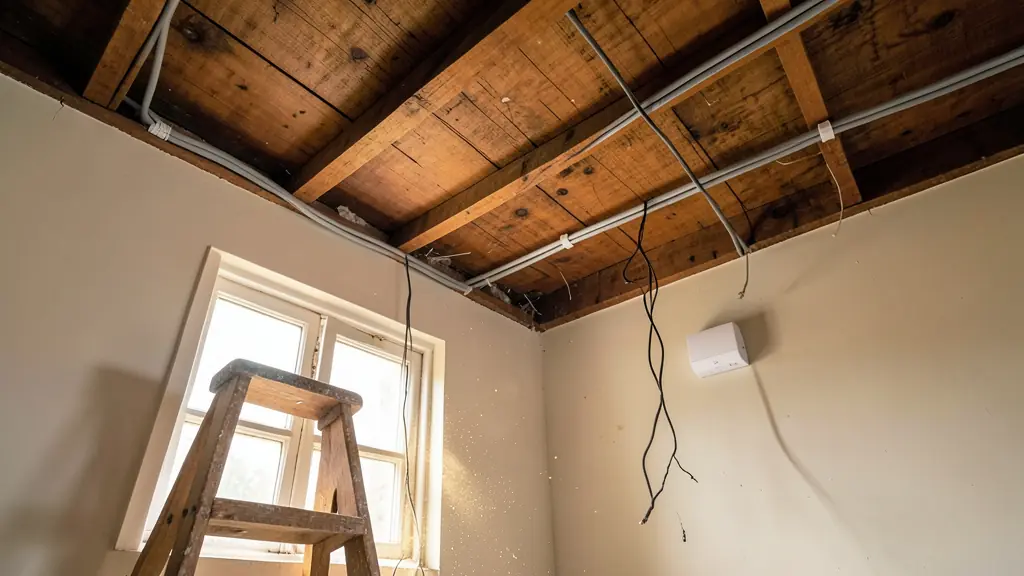
Choosing the right electrical cable for house wiring is only half the job; it also has to be installed, terminated and tested properly. Whether you are building a new home or replacing old wiring, a registered electrician sizes the circuits, runs the cable and issues a COC. ElectricalCable.co.za passes your request to an independent electrician in your area who handles house wiring and rewiring. They quote you directly for the cable, labour and certificate. We don't do the work ourselves, and the service is free with no obligation.
Cable used in house wiring
Most South African homes are wired with surfix (flat twin-and-earth) cable or single-core house wire drawn through conduit, both made to SANS 1507. Typical sizes are 1.5 mm² for lighting, 2.5 mm² for plug circuits and 4–6 mm² for stoves and geysers, with larger cable for the main supply. The exact size depends on the load, the length of the run and how the cable is installed, so the electrician calculates it to SANS 10142-1.
Signs a house needs rewiring
- Old rubber or cloth-insulated wiring that crumbles when touched
- Red and black conductors with no earth on lighting or plug circuits
- Ceramic fuses or an outdated DB board with no earth leakage unit
- Burn marks, warm plugs, buzzing switches or frequent trips
- Years of DIY additions and extension leads used as permanent wiring
- A failed COC inspection when selling the property
What rewiring a house involves
Rewiring a house usually means replacing the cable, switches, plugs and light points, and fitting a new DB board with earth leakage protection and correctly rated breakers. Where conduit is already in the walls, new house wire can often be drawn through it with little damage. Otherwise walls are chased and replastered, or surface trunking is used. Work is done room by room so you can often stay in the house. When an electrician is wiring a house, testing and certification come at the end.
Using a COC electrician
A COC electrician is a registered person who may inspect, test and issue a certificate of compliance for an installation. You need a valid COC for new wiring, for major alterations and when transferring a property. Pricing depends on the size of the house, number of points, the copper price, whether conduit exists and the DB board work needed. Ask for itemised quotes so you can compare cable, labour and certification.
Comparing quotes for house wiring and rewiring
The lowest price is not always the best value. When your quote arrives, check:
- Scope: exactly which cable, size and length is allowed for, and who supplies it.
- Civil work: trenching, sleeves, chasing and making good, and reinstating paving or lawns.
- Terminations and testing: glands, lugs, joints, insulation and earth-loop tests.
- Compliance: that a registered electrician issues a COC under SANS 10142-1, and the guarantee on workmanship.
What to include in your request
- New build, extension, partial rewire or full rewire
- Size of the house, number of rooms and approximate number of points
- Age of the existing wiring and whether conduit is in the walls
- Photos of the DB board, plugs and any problem areas
- Your suburb and whether you need a COC for a sale
Frequently asked questions
Which electrical cable is used for house wiring in South Africa?
How long does it take to rewire a house?
Can I wire my own house and get it certified?
Do I need a new COC after rewiring?
House Wiring and Rewiring by province
- House Wiring and Rewiring Gauteng
- House Wiring and Rewiring Western Cape
- House Wiring and Rewiring KwaZulu-Natal
- House Wiring and Rewiring Eastern Cape
- House Wiring and Rewiring Free State
- House Wiring and Rewiring Limpopo
- House Wiring and Rewiring Mpumalanga
- House Wiring and Rewiring North West
- House Wiring and Rewiring Northern Cape
House Wiring and Rewiring by city
- House Wiring and Rewiring in Johannesburg
- House Wiring and Rewiring in Pretoria
- House Wiring and Rewiring in Centurion
- House Wiring and Rewiring in Sandton
- House Wiring and Rewiring in Midrand
- House Wiring and Rewiring in Randburg
- House Wiring and Rewiring in Roodepoort
- House Wiring and Rewiring in Alberton
- House Wiring and Rewiring in Boksburg
- House Wiring and Rewiring in Kempton Park
- House Wiring and Rewiring in Benoni
- House Wiring and Rewiring in Germiston
- House Wiring and Rewiring in Krugersdorp
- House Wiring and Rewiring in Vereeniging
- House Wiring and Rewiring in Vanderbijlpark
- House Wiring and Rewiring in Cape Town
- House Wiring and Rewiring in Bellville
- House Wiring and Rewiring in Kuils River
- House Wiring and Rewiring in Somerset West
- House Wiring and Rewiring in Paarl
- House Wiring and Rewiring in Stellenbosch
- House Wiring and Rewiring in George
- House Wiring and Rewiring in Mossel Bay
- House Wiring and Rewiring in Worcester
- House Wiring and Rewiring in Durban
- House Wiring and Rewiring in Pinetown
- House Wiring and Rewiring in Pietermaritzburg
- House Wiring and Rewiring in Richards Bay
- House Wiring and Rewiring in Ballito
- House Wiring and Rewiring in Margate
- House Wiring and Rewiring in Newcastle
- House Wiring and Rewiring in Port Elizabeth (Gqeberha)
- House Wiring and Rewiring in East London
- House Wiring and Rewiring in Bloemfontein
- House Wiring and Rewiring in Welkom
- House Wiring and Rewiring in Polokwane
- House Wiring and Rewiring in Tzaneen
- House Wiring and Rewiring in Nelspruit (Mbombela)
- House Wiring and Rewiring in Witbank (eMalahleni)
- House Wiring and Rewiring in Middelburg
- House Wiring and Rewiring in Secunda
- House Wiring and Rewiring in Rustenburg
- House Wiring and Rewiring in Klerksdorp
- House Wiring and Rewiring in Potchefstroom
- House Wiring and Rewiring in Kimberley
- House Wiring and Rewiring in Upington
Related cable and services
- EC-08House Wire1.5, 2.5, 4, 6, 10 and 16 mm² copper conductors
- EC-02Surfix CableFlat twin and earth: two insulated cores plus bare copper earth
- SV-01Electrical Cable InstallationLighting, plug, stove, geyser and dedicated appliance circuits
- SV-06Electrical Cable Colour CodesNewer: brown live, blue neutral, green/yellow earth